• 2 min read
Starlink V5 dish drops 62% in weight
SpaceX’s new Starlink V5 terminal is smaller, lighter, and more efficient than Standard V4, with Wi-Fi 6 and wind resistance up to 265 km/h.
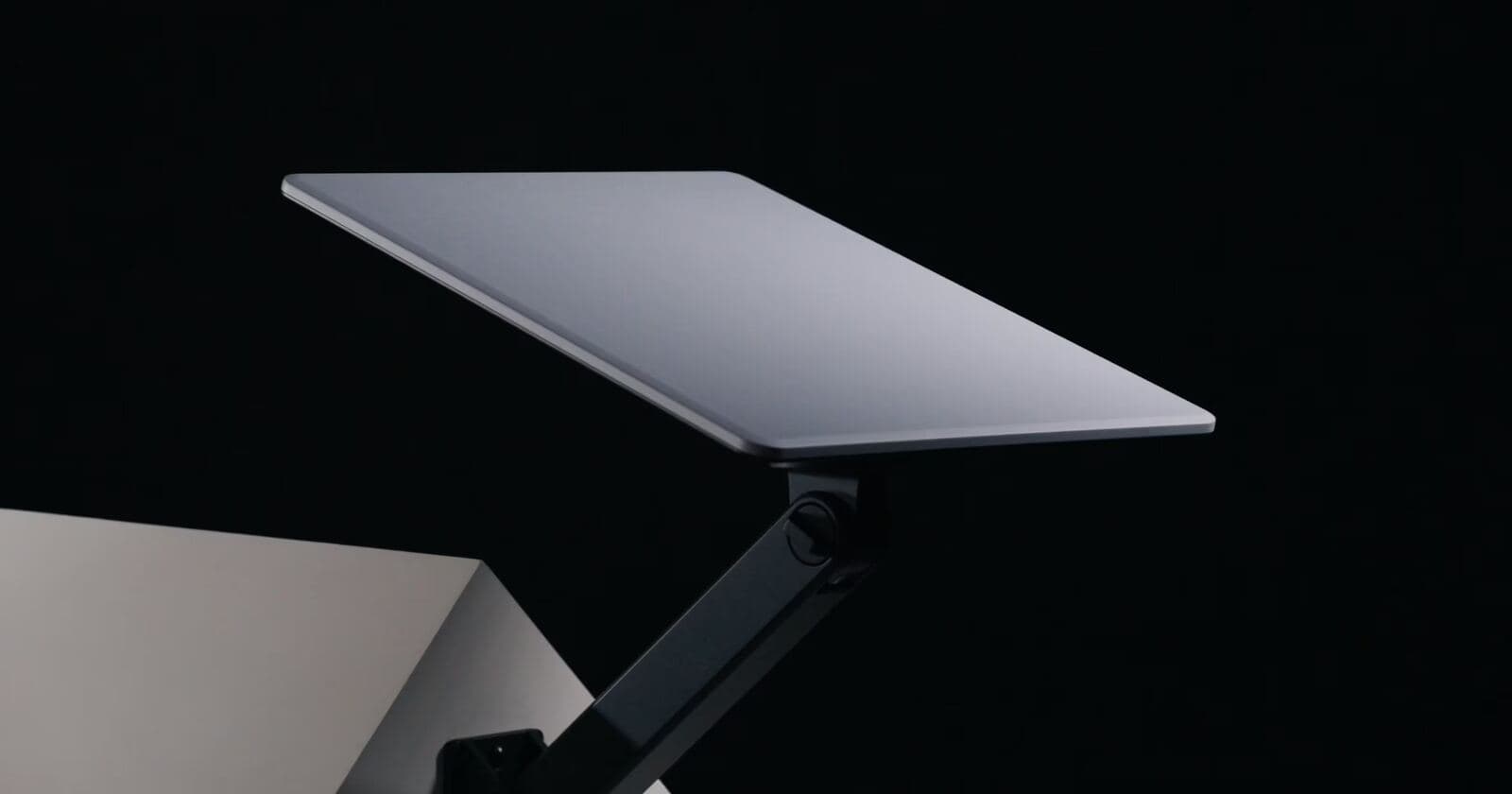
Image: ITzine
SpaceX has shared new details about its Starlink V5 terminal, and the hardware has been significantly trimmed down. Compared with the Standard V4 version, the new antenna is much more compact, has lost more than half its weight, and uses less power. The package now also includes a Router Mini with Wi‑Fi 6.
The size change is substantial. Standard V4 measured 594 × 383 mm, while V5 comes in at 384 × 306 mm. That puts it close to the Starlink Mini, which SpaceX markets for travel and temporary installations. But this is not a cut-down model: SpaceX lists download speeds above 375 Mbps for V5.
The most striking shift is weight. Starlink V5 weighs 2.4 pounds, or about 1.1 kg — 62% less than the Standard V4. Average power consumption has also been reduced to 35–50 W, making the new model about 50% more efficient than the previous generation. For off-grid power setups, campers, and remote sites, that could make the difference between running comfortably and needing a generator.
The terminal is also rated for winds of up to 165 mph, or roughly 265 km/h. That matters not just for homes, but also for emergency services, temporary bases, and areas with severe weather. The inclusion of the Router Mini with Wi‑Fi 6 and mesh networking should simplify setup as well, with less standalone gear and less hassle covering multiple rooms.
The redesign comes as Starlink continues to scale. The company previously said it has more than 5 million customers worldwide. A smaller terminal is easier to transport, store, and deploy in new regions. That also sharpens SpaceX’s position against Amazon’s Project Kuiper, which is also focused on user terminals, while Eutelsat OneWeb remains more concentrated on enterprise and government customers.
Recommended reading
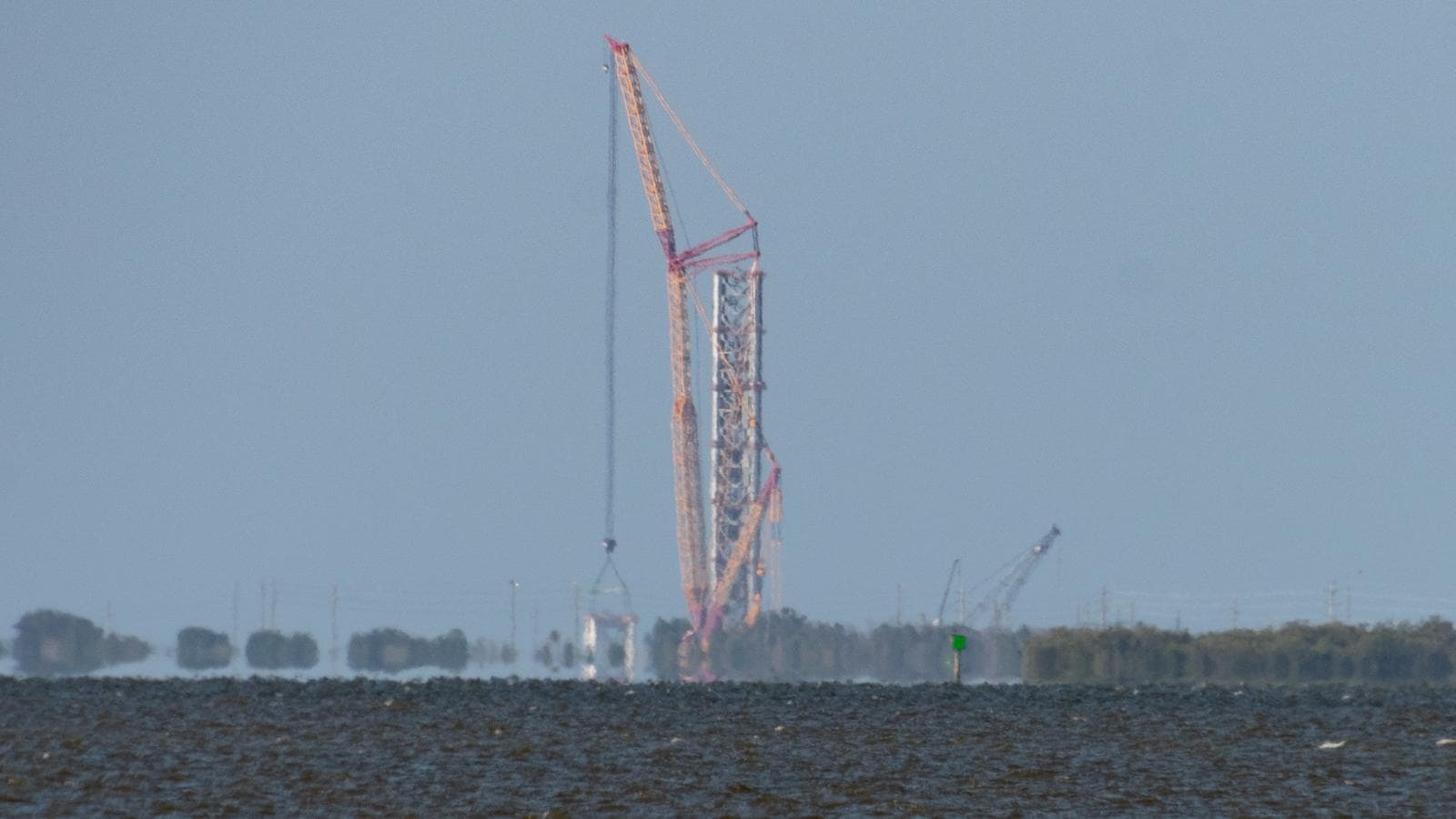
SpaceX has six Mechazilla sections up at Cape Canaveral

Frontier Editor
Dan is our resident futurist, covering electric mobility, space exploration, and the smart home. He's interested in atoms just as much as bits. Whether it's a new battery chemistry, a reusable rocket, or a protocol that finally makes IoT devices talk to each other, Dan breaks down the engineering that pushes humanity forward.
via ITzine