• 2 min read
Luch-5 satellites kept Soyuz MS-29 linked to the ISS
Russia’s Luch-5 relay satellites maintained telemetry and control links with Soyuz MS-29 all the way to the ISS, including beyond ground station coverage.
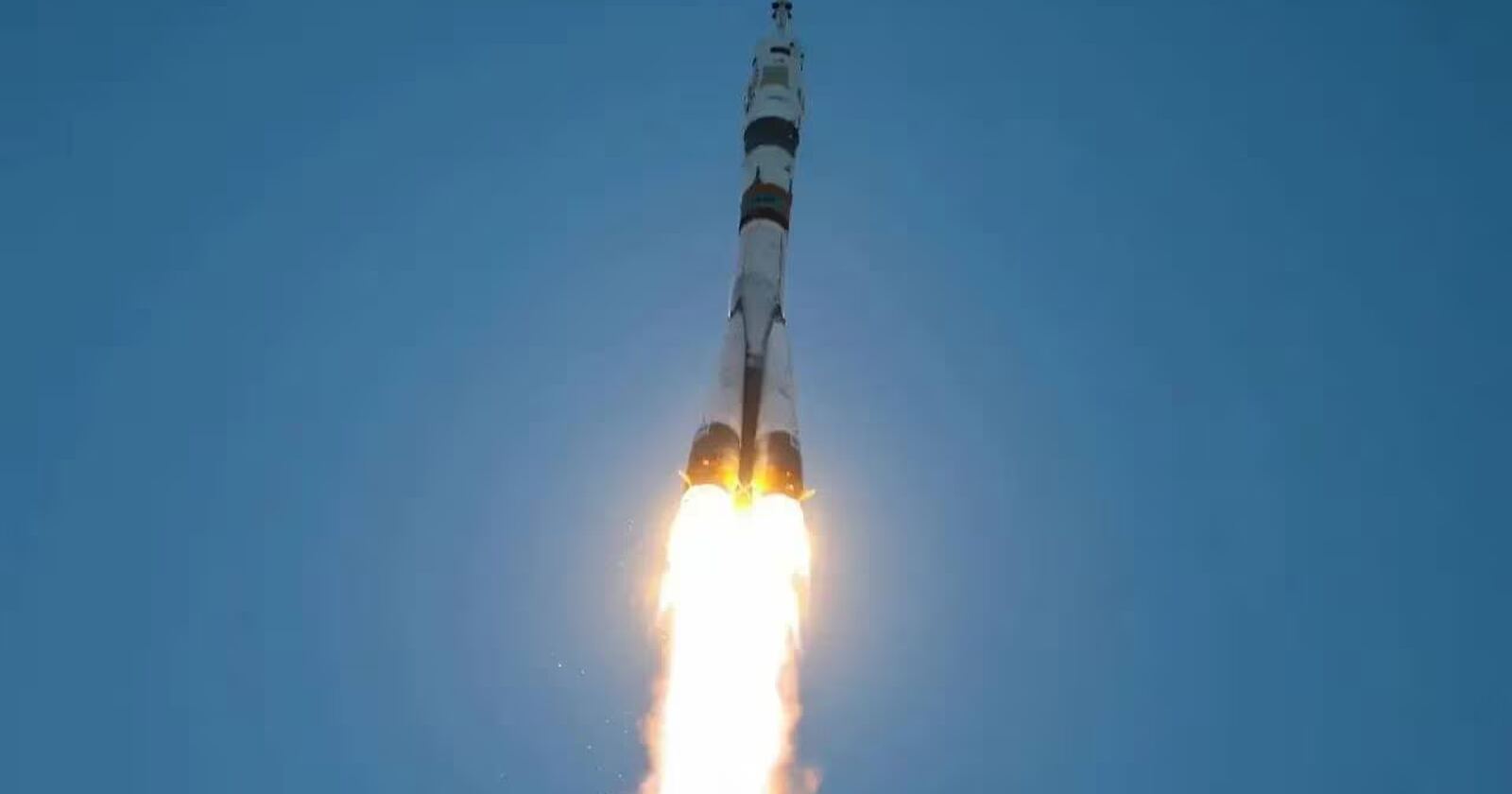
Image: ITzine
Russia’s Luch-5 relay satellites maintained communications with the crewed Soyuz MS-29 spacecraft throughout its trip to the ISS, including stretches where ground stations could no longer provide a direct link. According to the source, telemetry was sent back to Earth through the orbital relays while control commands were transmitted to the spacecraft.
The satellites were built by JSC Reshetnev, part of Roscosmos. Once Soyuz MS-29 moved out of the direct radio visibility zone of ground complexes, Luch-5 took over the service data exchange. Both the telemetry stream and the command channel ran through the system, a role that is especially critical during launch, rendezvous, and docking, when delays and interruptions are least acceptable.
The Luch multifunctional relay system has been in operation since late 2015. It is used not only for crewed missions, but also for transferring data from low Earth orbit spacecraft and supporting television broadcasts in areas where ground infrastructure has coverage gaps. That makes it particularly useful for the ISS and transport vehicles, which move too quickly to remain in view of individual ground stations for long.
The setup mirrors similar systems used by other space programs. NASA has long operated the TDRS network for communications with low Earth orbit spacecraft, while China uses the Tianlian satellite family for its Shenzhou crewed program and the Tiangong station.

Recommended reading
Starship Flight 13 could launch Thursday night
For Russia, the source frames the system as part of maintaining autonomy in its crewed space program. Soyuz spacecraft and Progress cargo vehicles remain central to ISS missions, and reliable relay coverage reduces dependence on the exact placement of ground stations. The system is expected to be further tested on future station flights and with other low Earth orbit spacecraft that need stable communications beyond direct line of sight with Earth.

Frontier Editor
Dan is our resident futurist, covering electric mobility, space exploration, and the smart home. He's interested in atoms just as much as bits. Whether it's a new battery chemistry, a reusable rocket, or a protocol that finally makes IoT devices talk to each other, Dan breaks down the engineering that pushes humanity forward.
via ITzine