• 2 min read
SpaceX has six Mechazilla sections up at Cape Canaveral
Construction at SpaceX’s new Starship pad at Kennedy Space Center is speeding up, with six tower modules installed and a seventh ready to lift.
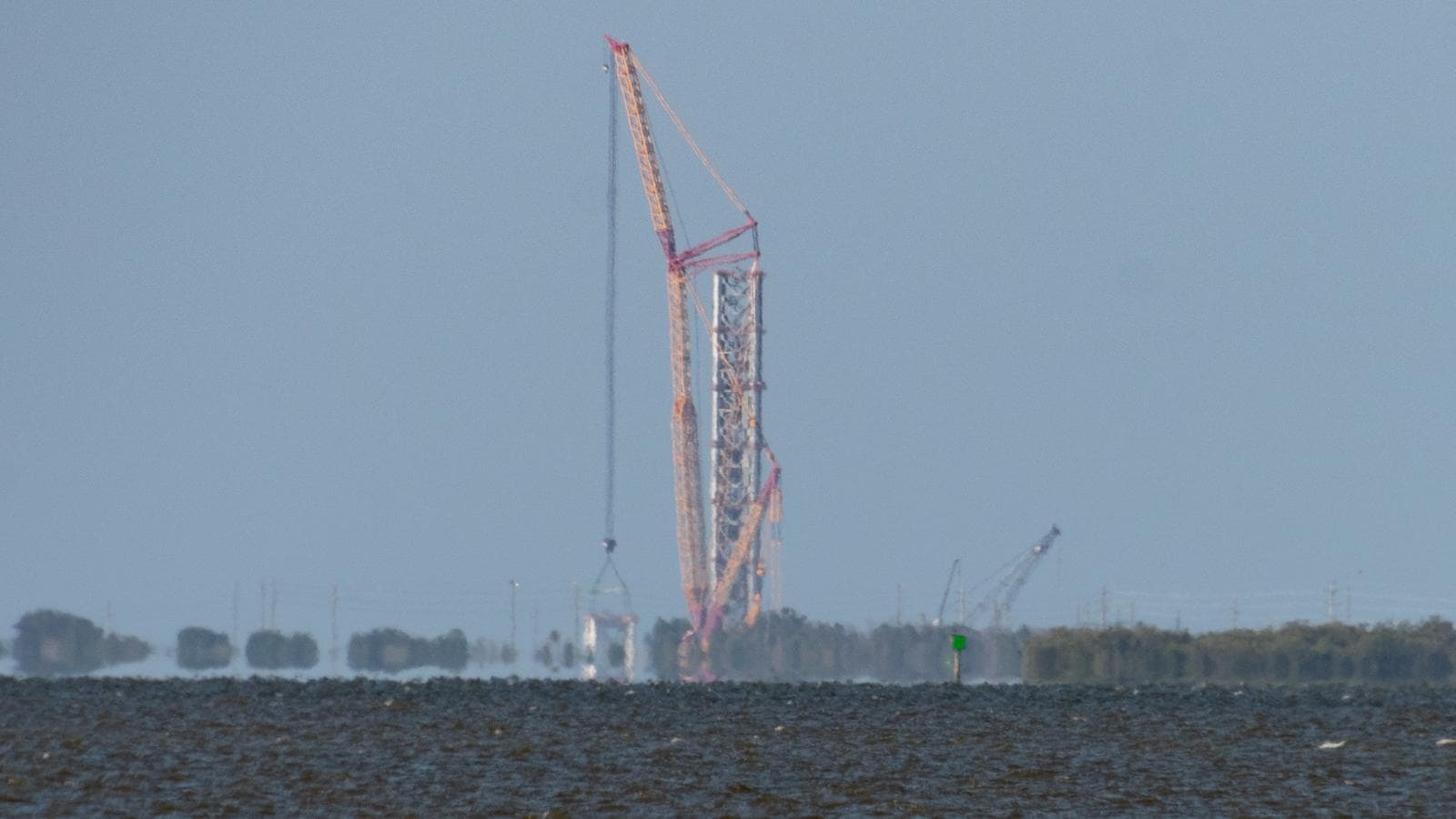
Image: iXBT
Construction is moving quickly at SpaceX’s new Starship launch site at Kennedy Space Center. According to observers cited by NASASpaceflight, the company has already installed the sixth service tower module at LC-37A, and a seventh module has been secured to the lifting beam and prepared for installation.
The work is part of the first Mechazilla tower being assembled at Cape Canaveral for Starship, described by the source as the largest rocket in human history. The build is using the Liebherr LR 13000, a German-made crawler crane billed as the world’s most powerful, with lifting capacity of up to 3,000 tons.
The tower is rising at the historic SLC-37 launch site, previously used for Saturn IB launches during the Apollo program and later for Delta IV rockets.
At the same time, Roberts Road continues to receive sections for the orbital launch mount (OLM) and new tanks for ground systems, another sign that the broader complex is still expanding.
Blue Origin is also picking up the pace nearby. At the Vehicle Refurbishment Facility (VRF) construction site, the building is getting taller, and observers have spotted a large opening that could become a technical access point or a gate.
Recommended reading
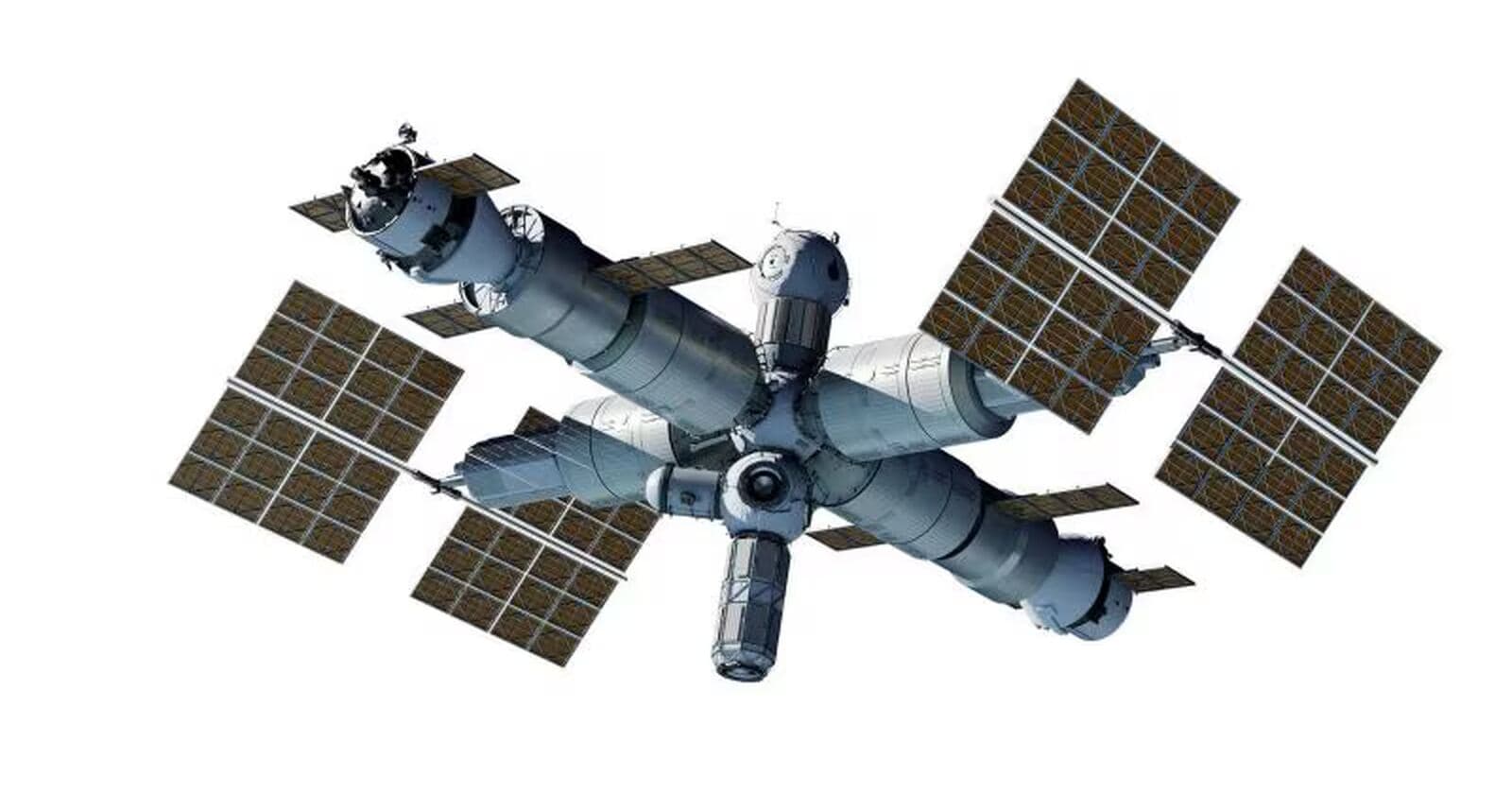
Russia Wants ROS Modules Docked to ISS First
Meanwhile, at LC-36, Blue Origin has removed another section of the existing tower. Heavy cranes remain active at both companies' sites, underscoring how quickly launch infrastructure is changing on the Space Coast.

Frontier Editor
Dan is our resident futurist, covering electric mobility, space exploration, and the smart home. He's interested in atoms just as much as bits. Whether it's a new battery chemistry, a reusable rocket, or a protocol that finally makes IoT devices talk to each other, Dan breaks down the engineering that pushes humanity forward.
via iXBT