• 2 min read
Starship stacked in Texas for 13th test flight
SpaceX has mated Ship 40 with Booster 20 ahead of Flight 13 from Starbase, with liftoff scheduled for July 16 at 17:45 local time.
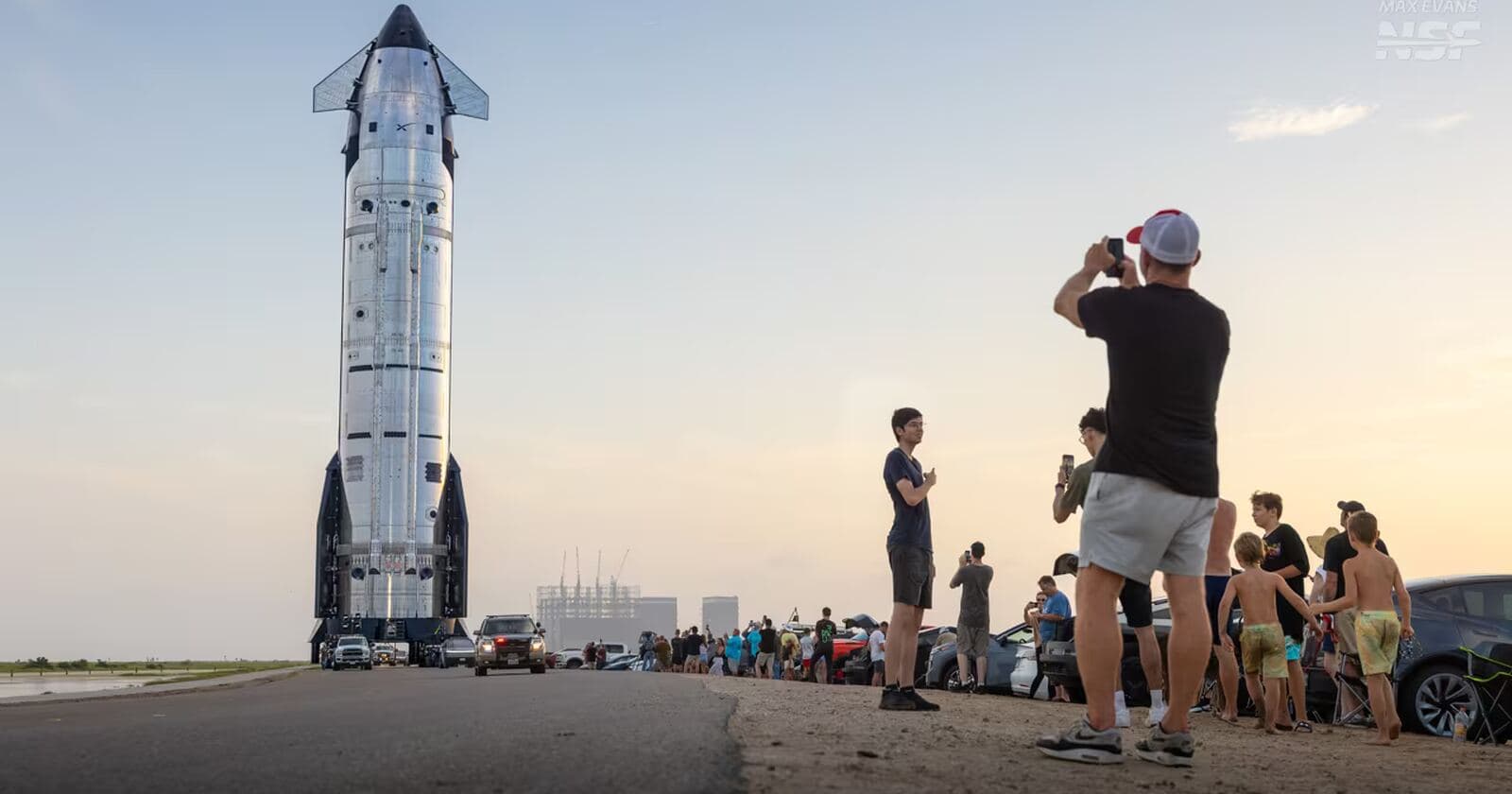
Image: ixbt
SpaceX has finished stacking Starship for its 13th test flight, moving Ship 40 to the pad and mating it with Booster 20 at Starbase, Texas. According to NASASpaceflight, about 19 hours remained before the launch window opened. If the schedule holds, liftoff is set for July 16 at 17:45 local time, or 01:45 on July 17 Moscow time.
The vehicle was stacked using Mechazilla arms. Ahead of the launch attempt, Super Heavy Booster 20 completed a full static fire of all 33 Raptor engines on July 10, while Ship 40 separately ran a 60-second test firing of its six engines. The article describes this as a move beyond isolated checks and toward a full prelaunch configuration.
This will be the second mission of the fully new V3 version after Flight 12. In that configuration, SpaceX increased tank volume, updated the engines, and made additional design changes. At roughly 121 meters tall, Starship remains the largest and tallest rocket ever assembled.
Recommended reading
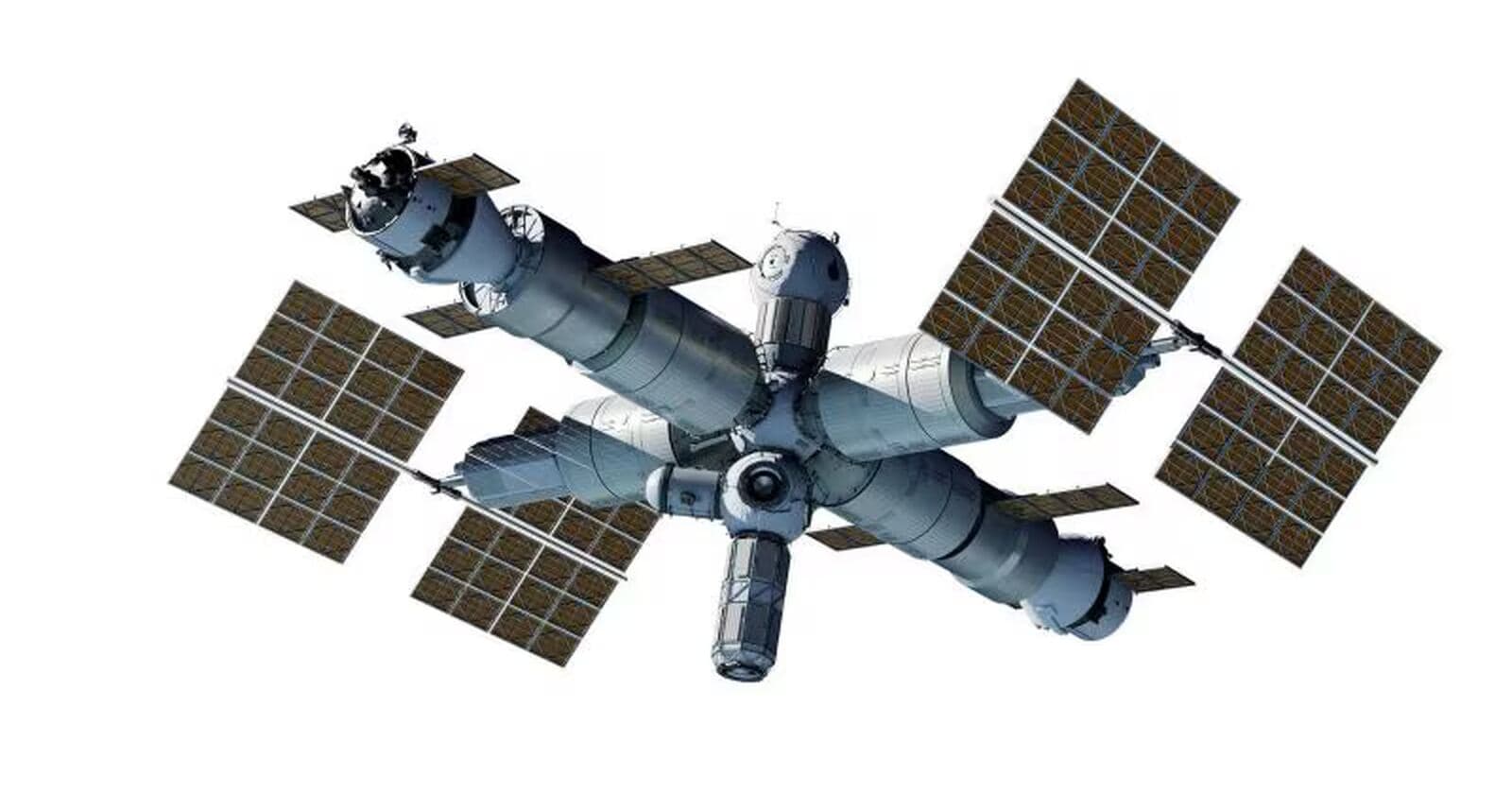
Russia Wants ROS Modules Docked to ISS First
Flight 13 mission profile
SpaceX plans to test:
- stage separation
- booster return with a landing in the gulf
- an in-space relight of Ship 40's engines
- a controlled deorbit
The flight will also carry Starlink V3 satellites, but they will not stay in orbit. Instead, they will fly the same suborbital trajectory as the ship and then burn up in the atmosphere.
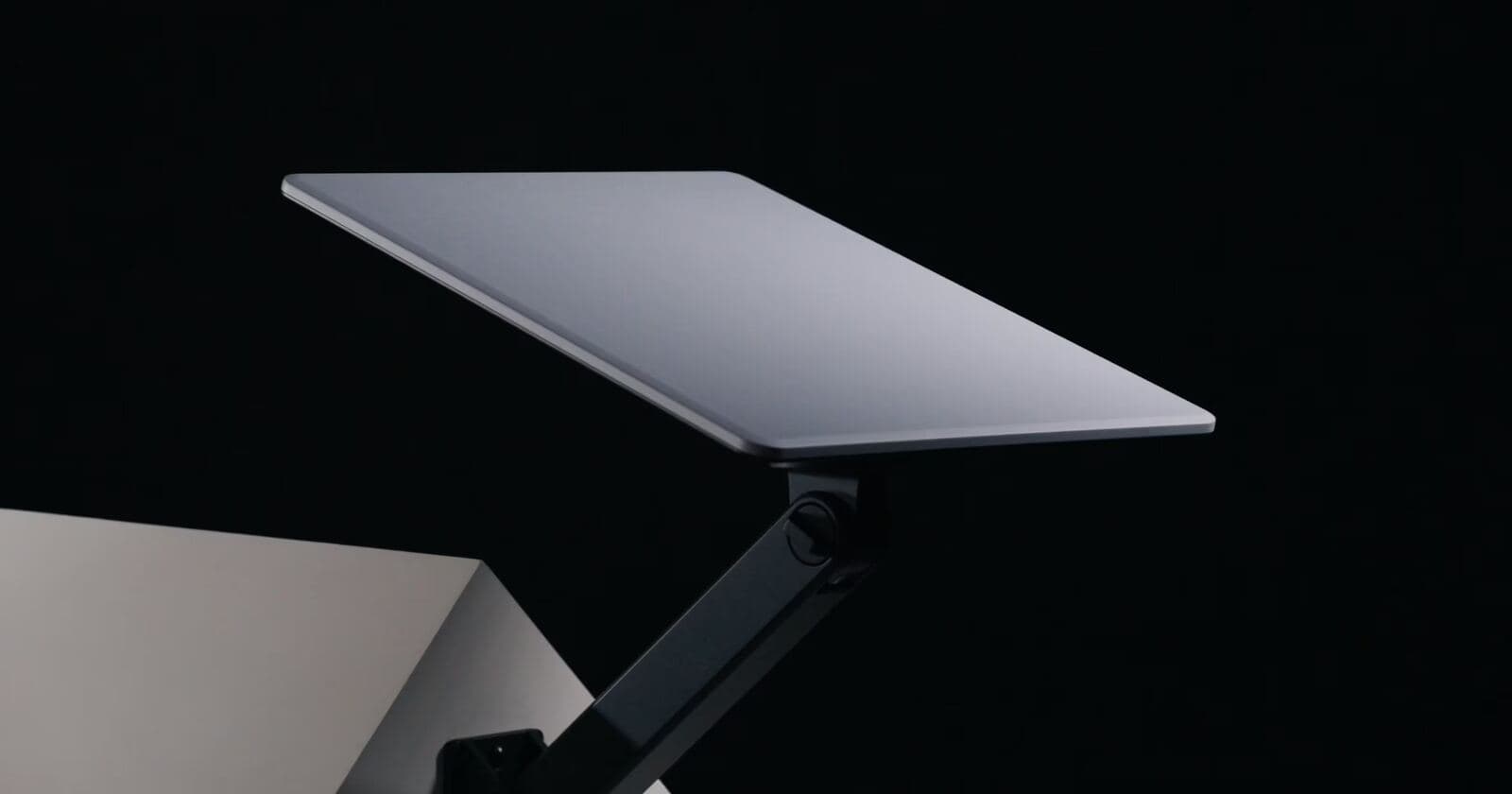
That makes the mission notable for more than the rocket itself: SpaceX is using test flights to validate future payloads as well. The article says that approach fits the growth of Starlink, which passed 5 million subscribers in 2025. The larger V3 satellites are intended to increase network capacity.
For the broader Starship program, the flight also matters to NASA, which is waiting for a steadier launch record from the system for the HLS lunar lander under the Artemis program.

Frontier Editor
Dan is our resident futurist, covering electric mobility, space exploration, and the smart home. He's interested in atoms just as much as bits. Whether it's a new battery chemistry, a reusable rocket, or a protocol that finally makes IoT devices talk to each other, Dan breaks down the engineering that pushes humanity forward.
via ITzine