• 2 min read
Russia and Belarus target 65 nm chip equipment
Russia and Belarus are developing photolithography and photomask equipment for 90–65 nm chips, with most systems due by 2026.
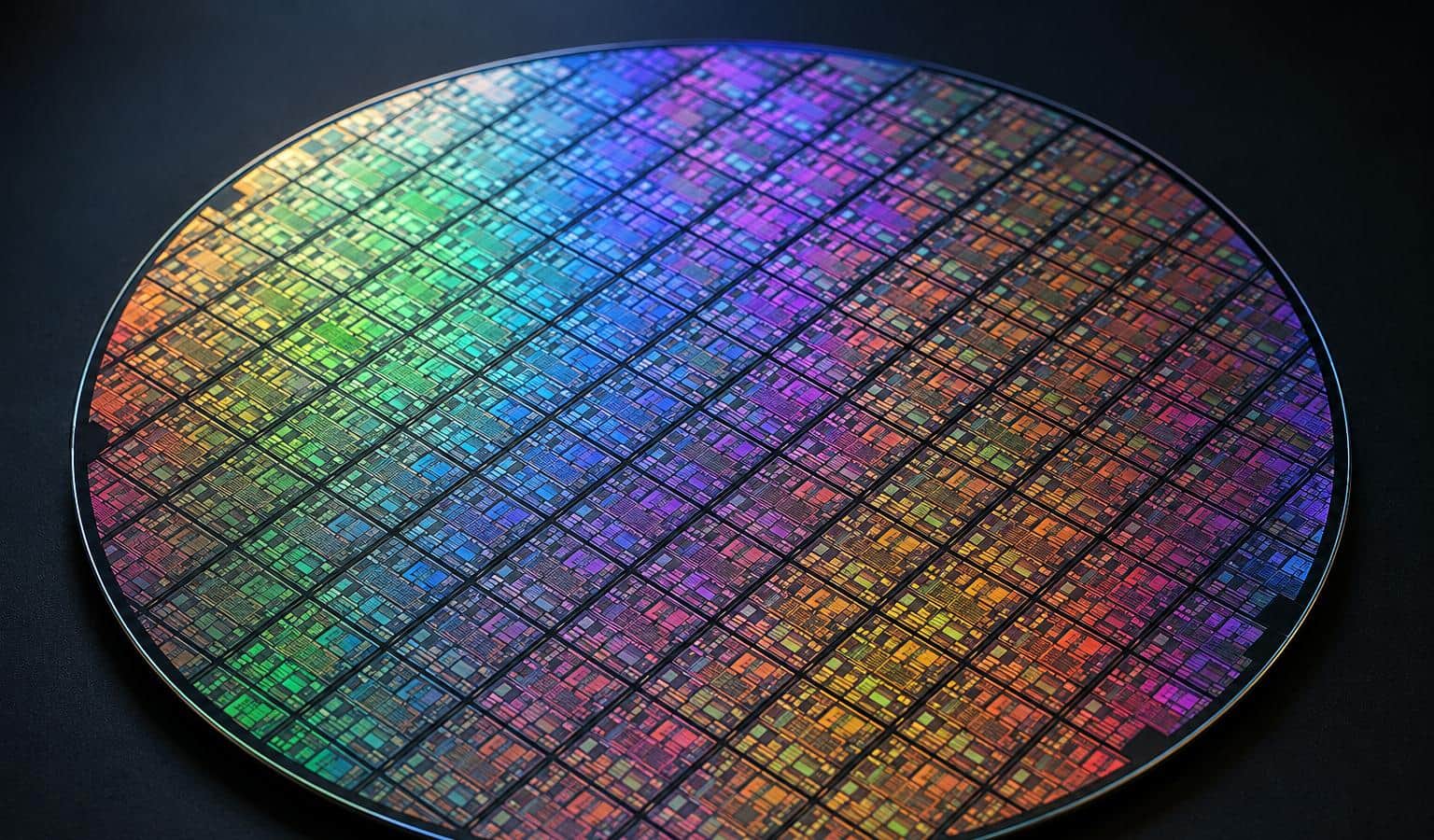
Image: iXBT
Russia and Belarus are jointly developing equipment for 90–65 nm semiconductor production, aiming to cover key stages of photomask manufacturing and photolithography without relying on ASML. The project is being developed with Belarusian company Planar, according to CNews and materials from Russia’s Ministry of Industry and Trade.
Photomasks are precision glass plates carrying the pattern of a future chip. During photolithography, that pattern is transferred onto a silicon wafer. The planned equipment includes:
- An image generator for photomasks used with 90–65 nm process technologies
- A system for inspecting photomask topology
- Equipment for transferring alignment marks to the reverse side of a plate
- A system that checks the coordinates of topological features
- A laser-retouching system for removing defects
- A complex for monitoring introduced defects
- Equipment for inspecting semitransparent masking coatings
Most of the systems are scheduled for completion in 2026, while the final part of the complex is expected in 2027. Together, they are intended to handle the process from creating a chip pattern through quality control and defect correction. Laser retouching, for example, could fix minor errors directly on a photomask instead of requiring it to be manufactured again.
Roman Tinyaev, a partner at Strategy Partners, said Planar holds the main expertise for developing this type of equipment and has preserved an engineering school dating back to the Soviet era. Russia is acting as the customer and systems integrator while also providing development funding.

Recommended reading
Geekbench 7 brings redesigned CPU and GPU tests
The project is part of a state program for developing electronic engineering. By 2030, the program targets replacing around 70% of imported equipment and materials used in microelectronics production, with more than 240 billion rubles allocated for implementation.

Computing Editor
Tomas lives in the terminal. He covers chips, laptops, and operating systems with a focus on performance and efficiency. He reads kernel changelogs the way other people read fiction, and he's always on the hunt for the perfect mechanical keyboard switch. If it processes data, Tomas has an opinion on it.
via iXBT