• 2 min read
Beshtau starts production of two thinner keyboards
Beshtau has started mass production of the KS100RU and KSH100RU keyboards, with laser-engraved legends and optional dual-USB connectivity.
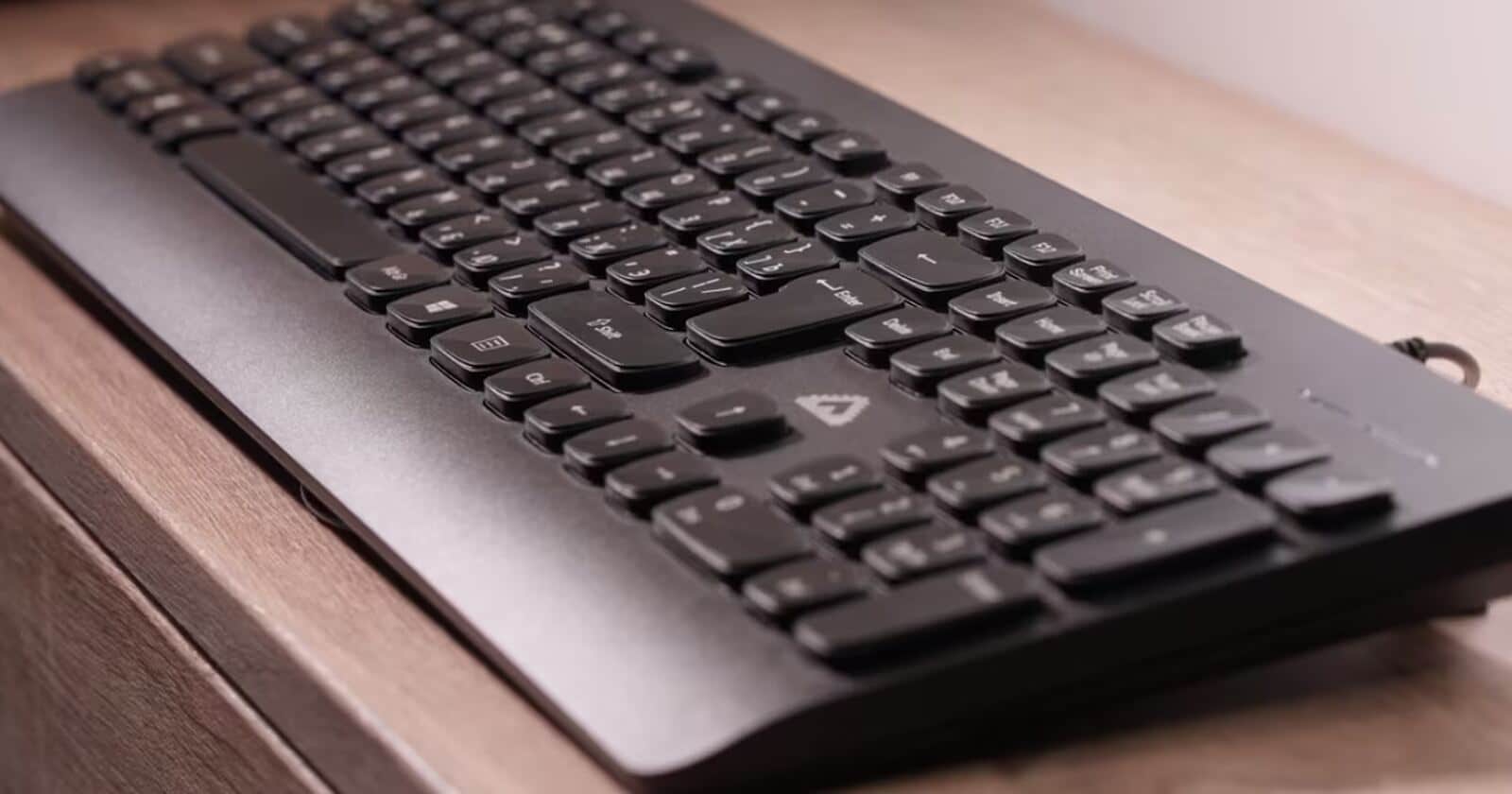
Image: ITzine
Image source: Beshtau Group.
Beshtau Group has started mass production of two new keyboards, the KS100RU and KSH100RU, addressing complaints about its earlier models. The keyboards have thinner bodies, retain a full-size layout and soft key travel, and use laser-engraved legends designed to prevent the markings from wearing off.
The models differ mainly in connectivity:
- KS100RU: the basic version without a USB hub.
- KSH100RU: includes two USB ports for connecting a mouse, flash drive or other peripheral.
The changes follow complaints about fading characters on early KL100RU batches. Beshtau says the new keyboards preserve the full-size layout and typing feel that matter to office users and corporate buyers while making the chassis slimmer.
Recommended reading
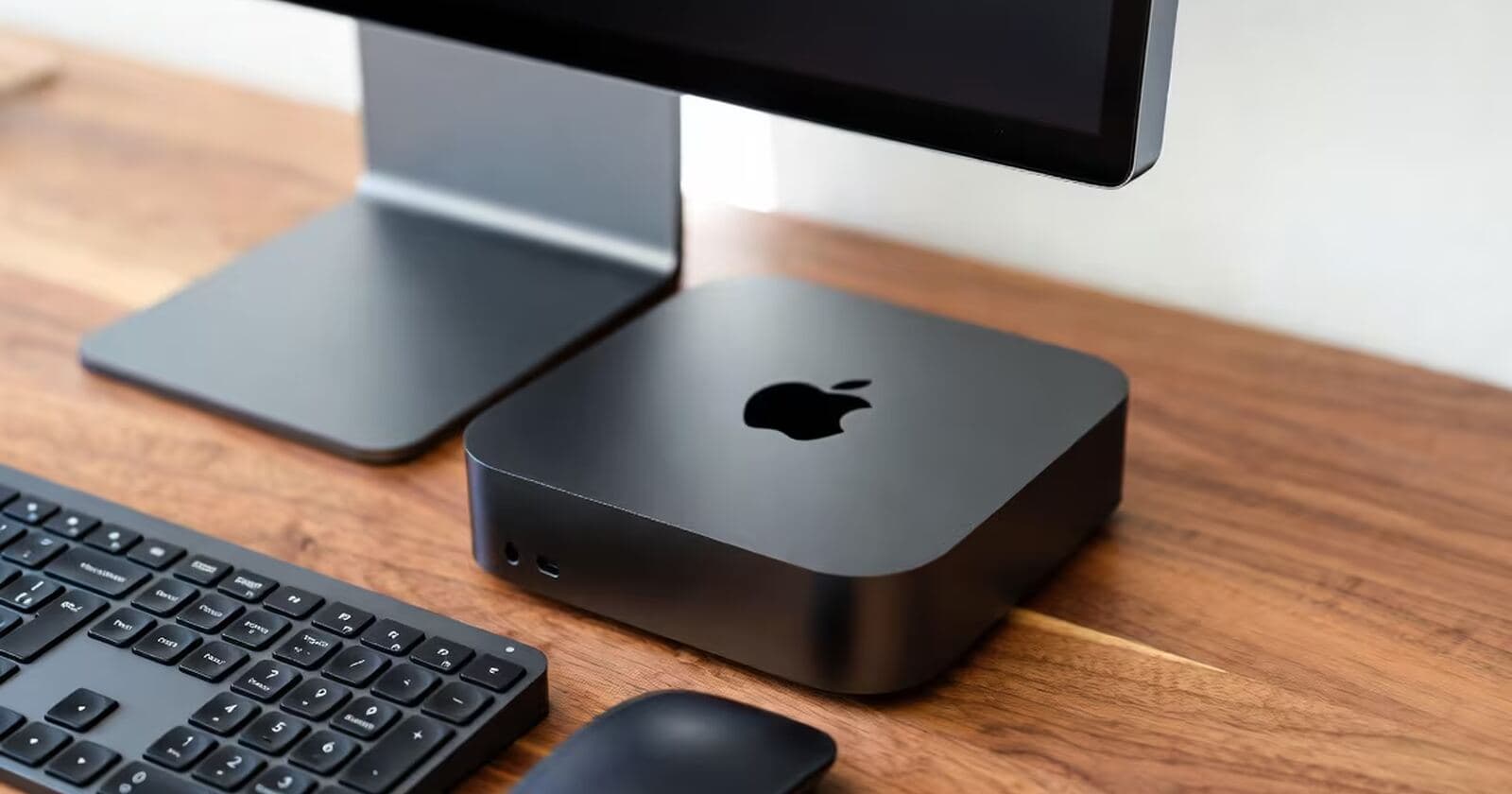
Apple may give the Mac mini 16GB of base memory
The keyboards are part of Beshtau’s broader expansion of its Russian-made hardware portfolio. The group now has more than 170 products listed in the Russian Industry and Trade Ministry’s registry, including laptops, all-in-one PCs, desktop systems, storage products and printed-circuit-board developments.
In February 2026, Beshtau and Atlas introduced the entry-level ATLAS SE by Beshtau fault-tolerant storage system, rated for up to 300,000 input/output operations per second and scalable to 6.48 PB.
Beshtau has not disclosed pricing for either keyboard. Their eventual availability through retail channels and corporate tenders will determine whether the models become everyday office equipment or remain primarily registry-listed products.

Computing Editor
Tomas lives in the terminal. He covers chips, laptops, and operating systems with a focus on performance and efficiency. He reads kernel changelogs the way other people read fiction, and he's always on the hunt for the perfect mechanical keyboard switch. If it processes data, Tomas has an opinion on it.
via ITzine