• 2 min read
Airbus builds a new electrical nervous system
Airbus is integrating batteries, generators and power electronics into a high-voltage aircraft architecture, with a full-scale ground test planned for 2027.
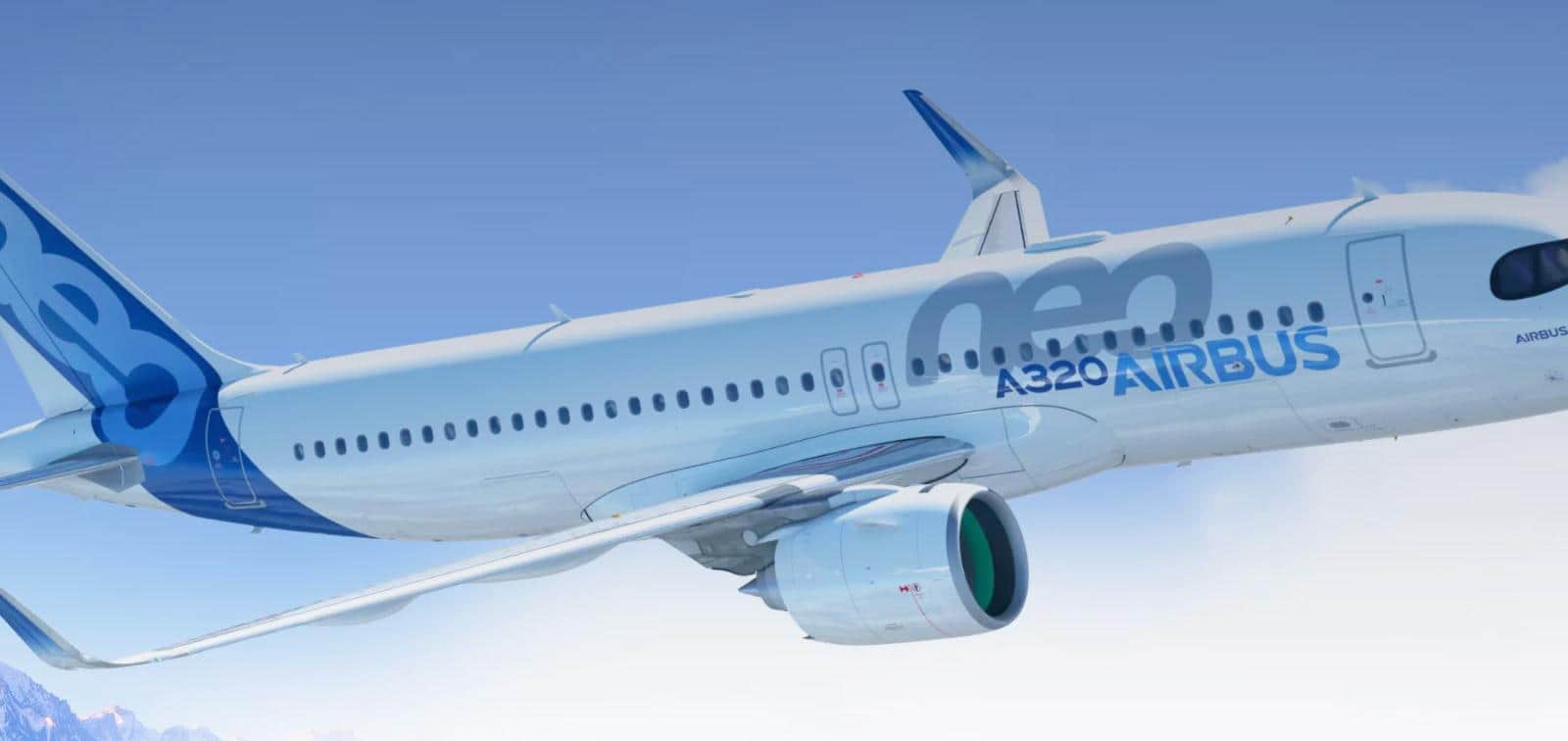
Image: iXBT
Airbus has begun the next phase of its LEIA program, which aims to develop and test a hybrid-electric power architecture for next-generation passenger aircraft. The system is designed for future regional and medium-haul aircraft rather than fully electric airliners.
A high-voltage architecture for passenger aircraft
Unlike projects focused mainly on new engines, LEIA centers on what Airbus describes as the aircraft’s electrical “nervous system.” Engineers will combine generators, batteries, power electronics, energy-distribution systems and intelligent controls into a single high-voltage architecture.
The work follows the SWITCH program, in which Pratt & Whitney, Collins Aerospace, GKN Aerospace and MTU Aero Engines successfully tested individual components of a hybrid power system. Airbus will now integrate those technologies into one coordinated system.
Testing will take place at the STEP research center in Ottobrunn, Germany. Engineers will evaluate how the batteries, generators and energy-management system operate together, as well as how they interact with other aircraft systems. The central goal is to verify that the components can function as a unified high-voltage energy network.

Recommended reading
Apple Maps will power Ford’s $30,000 EV platform
Airbus expects to conduct the first full-scale ground demonstration in 2027.
Partners and expected benefits
LEIA is not intended to produce a fully electric passenger aircraft. Airbus sees the architecture as a major step toward hybrid aviation, allowing aircraft energy to be distributed more efficiently, improving operating economics and potentially reducing carbon-dioxide emissions.
More than 10 European and US companies and research organizations are involved. The participants include Safran, Liebherr Aerospace, Collins Aerospace, SAFT, AVL and the Fraunhofer Institute, which are developing technologies that could underpin a new generation of lower-emission airliners.

Frontier Editor
Dan is our resident futurist, covering electric mobility, space exploration, and the smart home. He's interested in atoms just as much as bits. Whether it's a new battery chemistry, a reusable rocket, or a protocol that finally makes IoT devices talk to each other, Dan breaks down the engineering that pushes humanity forward.
via iXBT