• 2 min read
Kama patents Atom platform for crossovers and minivans
Kama patented the Atom’s modular EV platform, which supports crossovers, minivans, all-wheel drive and hybrid powertrains.
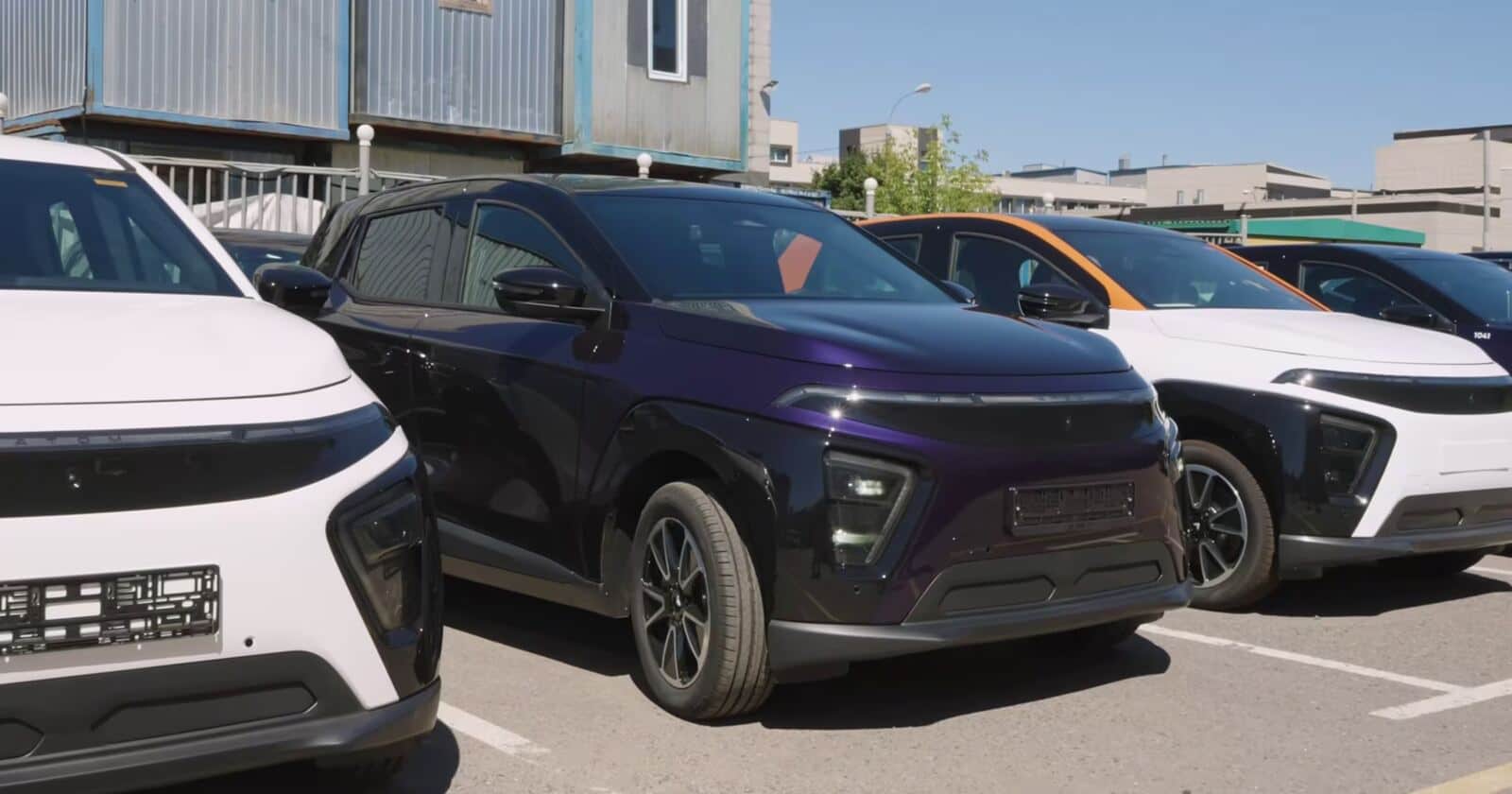
Image: ITzine
Image source: Atom
Kama JSC, the company developing the Atom electric car, has patented a modular platform designed to support more than a hatchback. The patent documents describe the body structure, floor, suspension, electric motor and battery—the core systems needed for vehicles with different wheelbases and body styles.
According to Rospatent, the company separately protected load-bearing body panels and stamped components. The architecture also supports all-wheel drive and a hybrid powertrain. If the project reaches series production, the platform could underpin crossovers, minivans and vehicles with different proportions.
What Kama patented for the Atom
The patent package covers the foundation of a future vehicle rather than a single component. It includes:
- load-bearing body panels and the floor;
- suspension components;
- a traction electric motor;
- a battery mounted beneath the floor;
- stamped body parts.
Atom was previously presented as a compact urban electric vehicle. A modular design would give Kama a way to develop additional versions without starting each model from scratch. Protecting the stamped body elements could also secure specific design and manufacturing solutions for future models or licensing projects.

Recommended reading
Tesla says supervised FSD crashes half as often
Image source: Drom / Atom
Kama’s 2025 loss
The patent filings come as the Atom project faces financial pressure. Earlier reports cited delayed salary payments, although the dispute was later resolved. Public financial reporting also showed that Kama recorded a net loss of 3.15 billion rubles in 2025.
The patent does not confirm that any additional model will enter production. It does show that Kama is securing the technical foundation in advance. The documents list 38 authors, including 29 Russians and six Chinese nationals, reflecting the project’s focus from the start on a flexible architecture for several body types.
Russia’s electric-vehicle market remains narrow, making platform unification a potential way to develop multiple versions more efficiently. The next test is whether Kama can turn the patented architecture into a production program; crossovers appear to be the most obvious expansion candidate because they remain Russia’s largest vehicle segment.

Frontier Editor
Dan is our resident futurist, covering electric mobility, space exploration, and the smart home. He's interested in atoms just as much as bits. Whether it's a new battery chemistry, a reusable rocket, or a protocol that finally makes IoT devices talk to each other, Dan breaks down the engineering that pushes humanity forward.
via ITzine