• 3 min read
Valve’s hardware sales are weak by design
Valve’s Steam Deck sales reportedly fell 80% after a price hike, while Steam Machine supply remains limited—but hardware is mainly a path to Steam.
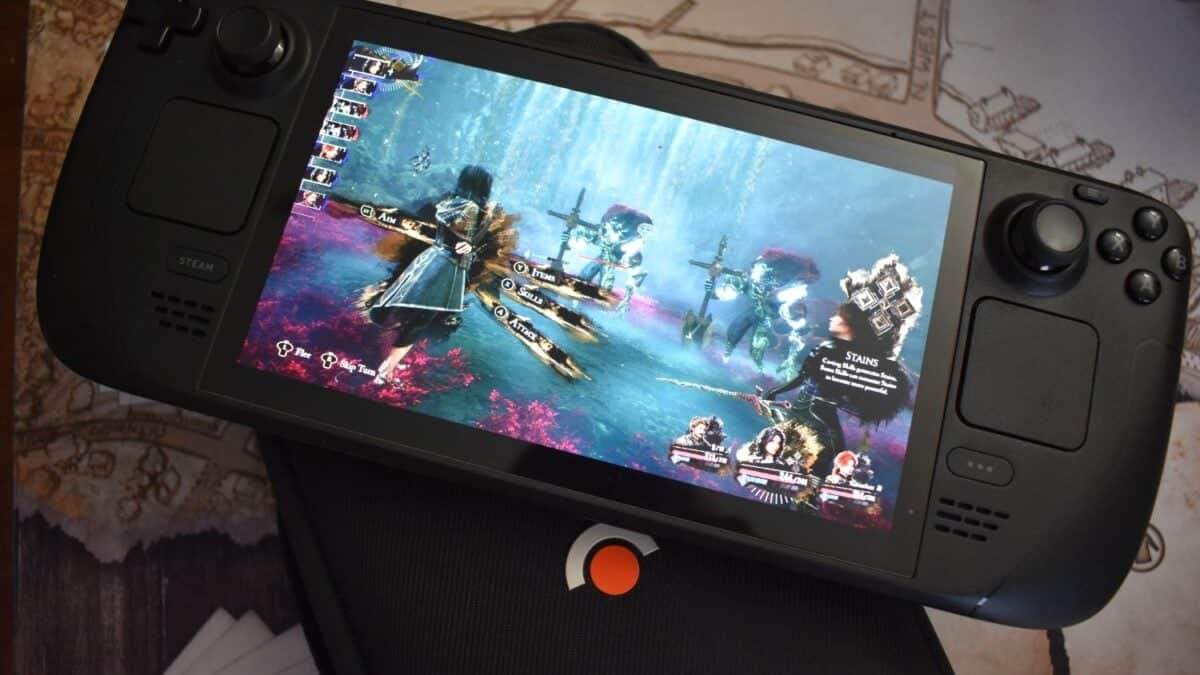
Image: Gizmodo
Valve’s gaming hardware is getting harder to buy and more expensive, but weak sales may not undermine the company’s broader strategy. The $1,050 Steam Machine is available only through a waitlist, while the $790 Steam Deck has reportedly seen a sharp sales decline after a price increase.
Steam Machine sales constrained by supply
Linux gaming blog Boiling Steam used what it called “napkin math” to estimate that Valve has been selling between 12,000 and 15,000 Steam Machines per week since the device launched on June 22. Most buyers are expected to choose the cheaper 512GB model, rather than the $1,350 2TB version.
Those figures are difficult to assess because customers cannot currently buy a Steam Machine directly. They must join a waitlist and hope their name is selected. That limited supply will inevitably restrict sales over the longer term.

Recommended reading
Halo remake revives Xbox’s old magic
The situation may be worse for the Steam Deck OLED. After Valve raised handheld prices in May, the Deck fell out of Steam’s top 10 selling products. Boiling Steam estimates that handheld sales have dropped by 80% since the increase, though that figure remains an estimate.
Neither the Steam Deck nor its OLED successor is selling well. © Artem Golub / Gizmodo
Valve is selling access to Steam
Valve’s hardware was never expected to match the sales of mainstream consoles. IDC and The Verge previously reported that Valve had shipped around 6 million Steam Decks from 2022 through the first months of 2025. Sony, by comparison, sold about 7.1 million and 6.3 million PlayStation 5 consoles in the third and second quarters of 2022 alone.
The hardware’s role is less about unit volume than about expanding Steam to more devices. Rhys Elliot, head of market analysis at Alinea Analytics, reported late last year that Valve generated $16.2 billion in revenue the previous year, helped by Steam’s 30% cut of game sales and the company’s own products. Valve operates with approximately 350 full-time employees.
The company has repeatedly said it wants to expand PC gaming. In practice, that means expanding access to Steam. Valve promoted the Lenovo Legion Go S in 2025, a handheld running SteamOS that now costs $860, up from its $600 launch price. In 2026, it launched a new SteamOS version compatible with any PC running AMD hardware alongside the Steam Machine.
Both the Deck and Steam Machine offer a console-like interface, quick game access, sleep-to-pause functionality, and controller-focused management of a large Steam library. Valve also has one more device planned for 2026: the Steam Frame VR headset, whose price remains unknown.
For users who want the Steam Machine experience, an existing desktop can serve the same purpose. A dual-boot setup with SteamOS and Windows 11—installed on two separate drives—can provide much of the same software experience without buying Valve’s less-powerful hardware. As long as those users keep purchasing games on Steam, that may be enough for Valve.

Culture Editor
Maya explores gaming, streaming, and the internet as a place where people actually live. From deep-dives into creator economies to the anthropology of digital communities, she tracks platform drama and cultural shifts so you don't have to. She believes the best tech stories are fundamentally about human behavior.
via Gizmodo