• 2 min read
Falcon 9 booster B1071 reaches 34 flights in another Starlink launch
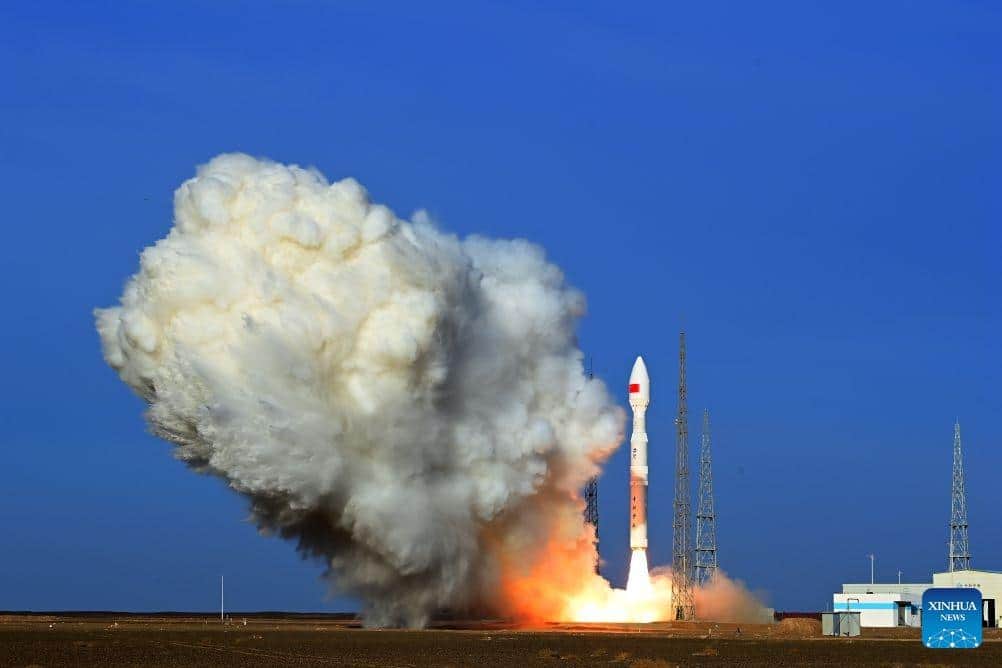
SpaceX has pushed Falcon 9 reuse to another near-record mark: the first stage of booster B1071 has now flown 34 times after a successful Starlink launch from California. The flight, which carried 24 more satellites to or
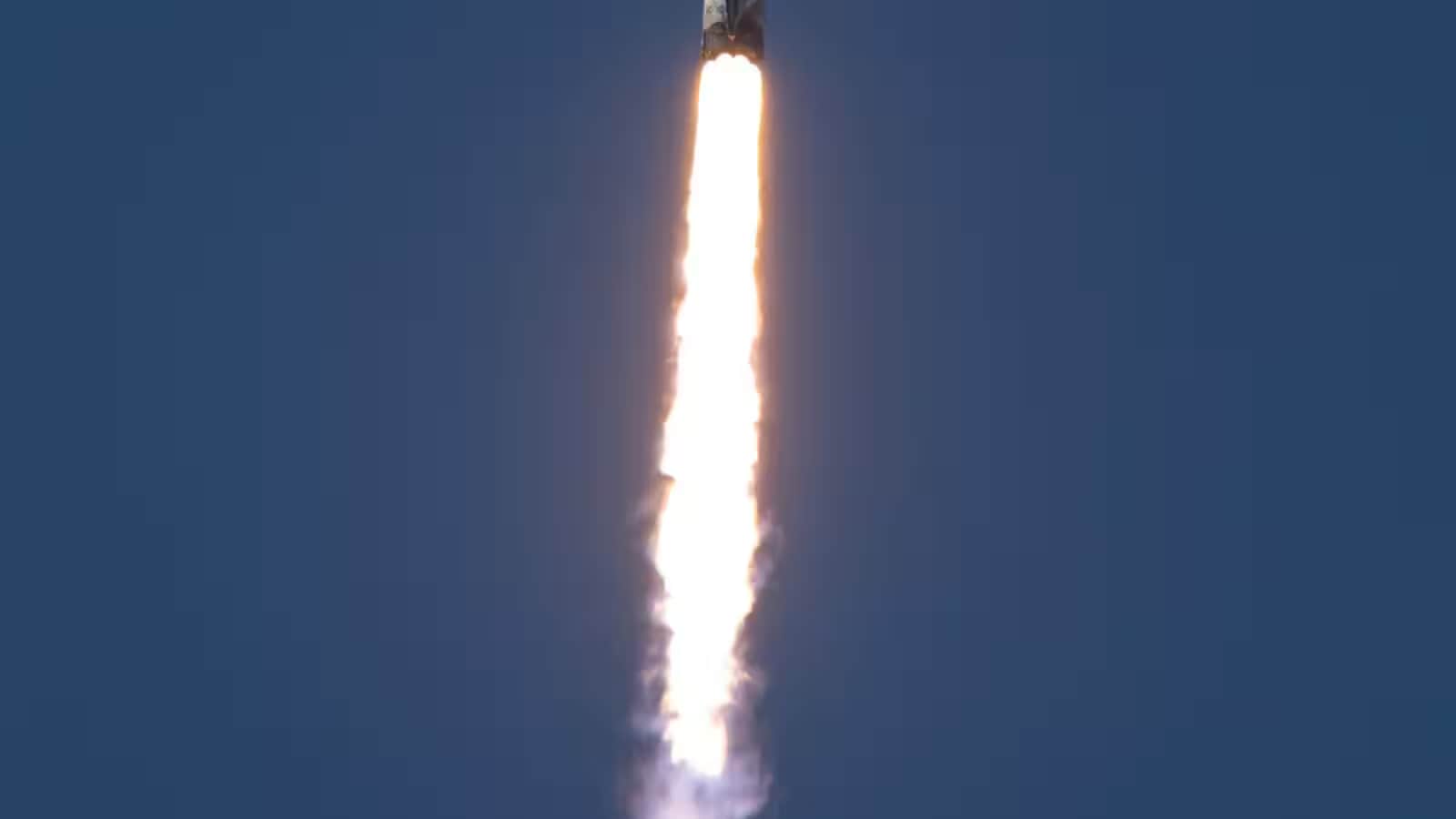
Image: ixbt.com
SpaceX has pushed Falcon 9 reuse to another near-record mark: the first stage of booster B1071 has now flown 34 times after a successful Starlink launch from California. The flight, which carried 24 more satellites to orbit, ended with a routine landing on the “Of Course I Still Love You” droneship in the Pacific, while the company’s current reuse record still belongs to B1067 at 35 missions.
The Falcon 9 launch took place at 18:05 Moscow time from SLC-4E at Vandenberg Space Force Base. For SpaceX, these missions are no longer headline-breaking for the act itself – the real story is how ordinary they have become. That kind of operational muscle is exactly what lets the company keep feeding the Starlink network at pace while squeezing more value out of each booster.
Starlink 17-44 delivers 24 satellites to orbit
Mission Starlink 17-44 placed 24 Starlink satellites into low Earth orbit, with separation from the second stage completed without issue. SpaceX did not need a heroic recovery story here; a clean launch, clean deployment, and clean landing were the point. In a sector where one-off rockets still dominate many programs, that predictability is the advantage.
Recommended reading
NASA staff cuts hit 25 major programs
The pace matters as much as the hardware. Reusing a first stage again and again cuts launch cost and supports the buildout of a sprawling satellite constellation, which in turn depends on frequent, repeatable flights rather than occasional spectacle. It is also a reminder that SpaceX’s most important competition may be against its own cadence: every extra flight widens the gap between Falcon 9 and programs that still treat booster recovery as a novelty.
B1071 is one flight from the Falcon 9 reuse record
B1071 now sits just one mission behind the most-flown Falcon 9 first stage, B1067. That record was set only three days earlier, which tells you everything about how aggressively SpaceX is squeezing life out of its boosters. The company has turned reuse from a technical achievement into a production habit, and the rest of the launch industry is still trying to catch up.
The next question is whether B1071 will be the booster to reset the bar again, or whether another Falcon 9 first stage will get there first. Either way, the race is no longer about whether a rocket can be reused dozens of times. It is about how quickly SpaceX can keep doing it without slowing the launch line down.
Frontier Editor
Dan is our resident futurist, covering electric mobility, space exploration, and the smart home. He's interested in atoms just as much as bits. Whether it's a new battery chemistry, a reusable rocket, or a protocol that finally makes IoT devices talk to each other, Dan breaks down the engineering that pushes humanity forward.
via ixbt.com