• 3 min read
CATL opens a giant energy storage test site in Xiamen
CATL has opened what it says is the world’s largest single site for testing and validating energy storage systems, a sprawling complex in Xiamen built to probe everything from grid faults to full-scale fires. The new CAT
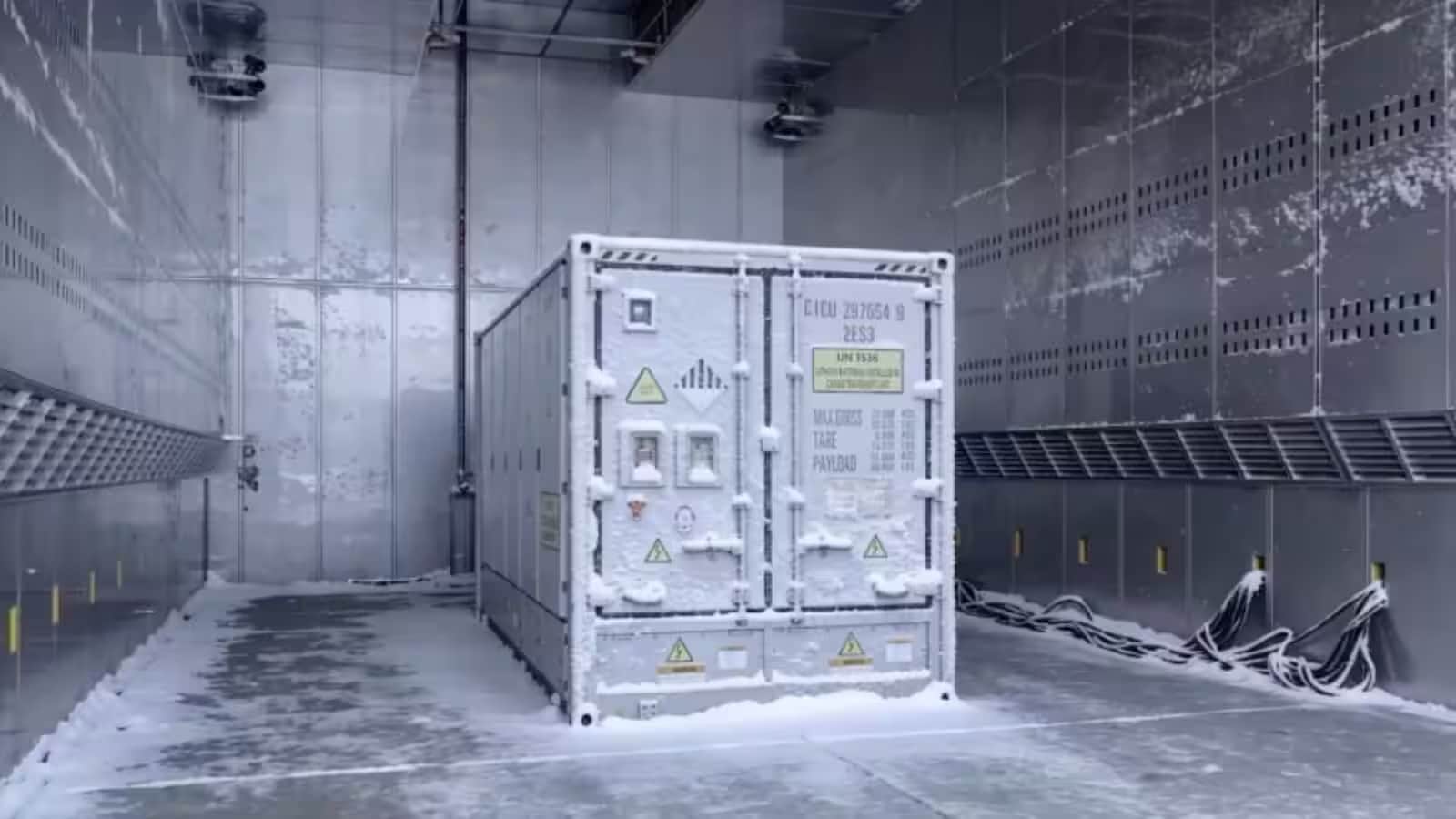
Image: ixbt.com
CATL has opened what it says is the world’s largest single site for testing and validating energy storage systems, a sprawling complex in Xiamen built to probe everything from grid faults to full-scale fires. The new CATL energy storage test site is meant to answer a bigger industry question: can full battery stations survive real-world abuse without delaying projects or underperforming once they are finally connected?
The Xiamen Energy Storage Validation Research Institute cost about $440 million and covers almost 10 hectares. That kind of money is easier to justify when storage has become the missing piece in the renewable buildout: solar and wind keep adding capacity, but the grid still wants batteries that work on schedule, at scale, and under stress.
What CATL built in Xiamen
CATL says the site is designed to test complete systems, not just individual cells or modules. That matters because the failures that frustrate investors usually show up after installation – in commissioning, integration, and grid connection – not in a tidy lab demo.
Recommended reading
Zinc flow battery runs for 5,128 hours
The complex includes five specialized laboratories that can recreate severe conditions such as high-voltage accidents, climate extremes, large-scale fires, and explosion scenarios. One standout is a station-level power integration lab with a 100 MVA grid simulator, which can test more than 10 massive battery containers at the same time.
- Site location: Xiamen, China
- Area: almost 10 hectares
- Investment: about $440 million
- Grid simulator: 100 MVA
- Fire and explosion lab capacity: nine large industrial storage containers
The commissioning headache CATL wants to kill
CATL cites internal figures showing that nearly 20% of large industrial storage stations worldwide are not meeting expected performance, while 46.5% face grid-connection delays of more than two months. Those are ugly numbers for a sector that sells reliability as its whole pitch. They also help explain why a giant validation park may be more than corporate showmanship – it is a shortcut around expensive field debugging.
The company says the new setup will shift much of that work into the lab, cutting downtime and reducing the gap between design promises and operating reality. Competitors are clearly moving in the same direction, but CATL’s scale is the aggressive part: its simulator is said to be 14 times larger than a comparable platform at the U.S. National Renewable Energy Laboratory.
Thermal safety is becoming the selling point
The other half of the story is safety. CATL’s thermal safety and combustion lab has more than 100,000 cubic meters of enclosed space, enough for controlled burn tests and explosion-protection work on nine large storage containers at once. That is the kind of setup utilities and regulators want to see before they sign off on ever-larger battery deployments near the grid.
Storage is no longer just about packing in more megawatt-hours. The winners will be the companies that can prove their systems behave predictably when the weather turns ugly, the grid misbehaves, or a cabinet catches fire. CATL has just built a very expensive place to make that argument.

Frontier Editor
Dan is our resident futurist, covering electric mobility, space exploration, and the smart home. He's interested in atoms just as much as bits. Whether it's a new battery chemistry, a reusable rocket, or a protocol that finally makes IoT devices talk to each other, Dan breaks down the engineering that pushes humanity forward.
via ixbt.com