• 2 min read
Styropyro turns mercury into lightning
Styropyro’s glass flask combines mercury, neon, vacuum and a Tesla coil to create flashes resembling miniature lightning.
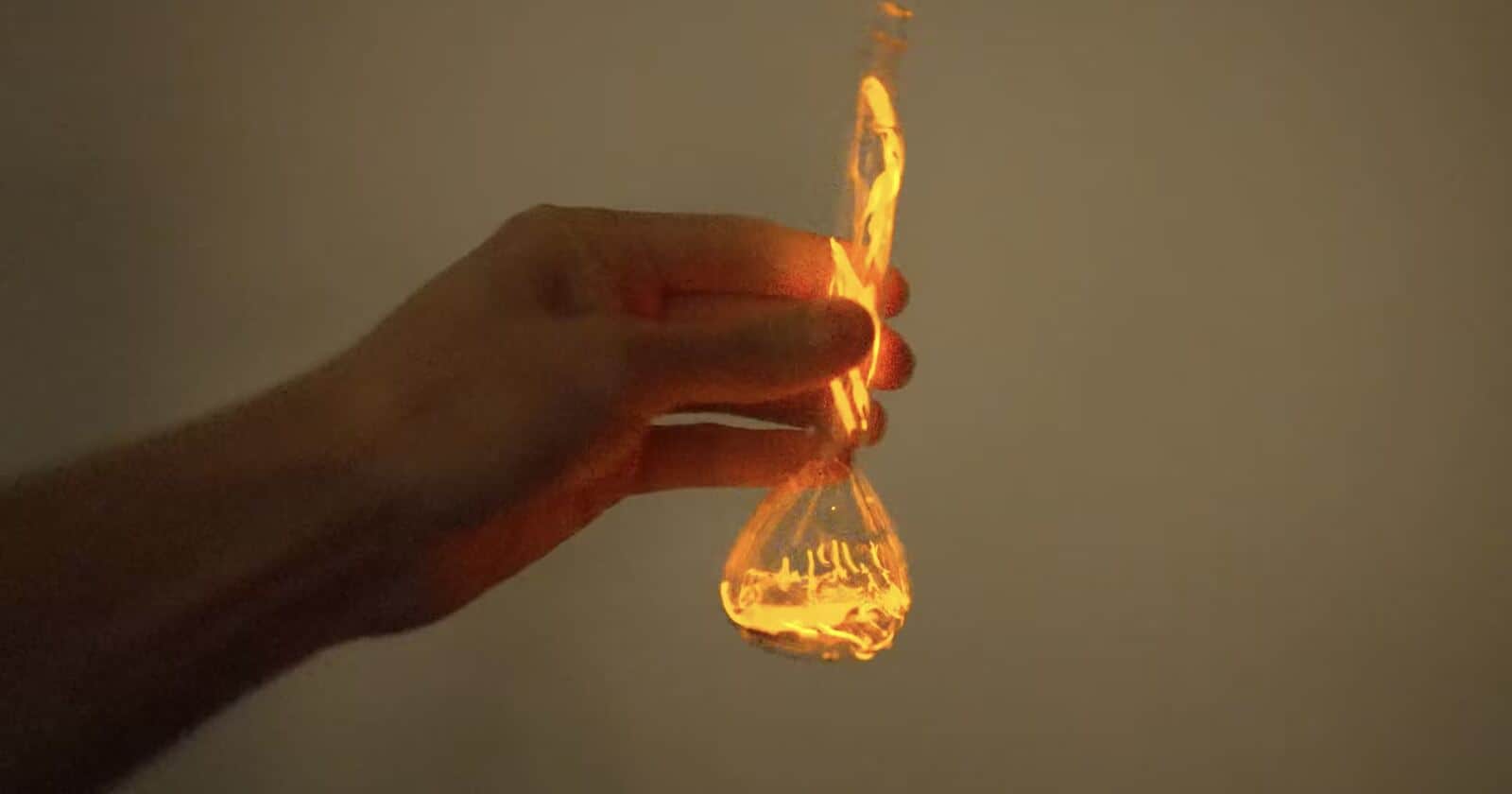
Image: ITzine
YouTube experimenter Drake Anthony, better known as Styropyro, has built a glass flask that produces flashes resembling miniature lightning. The setup combines mercury, neon and a vacuum tube, with a Tesla coil’s electric field used to intensify the effect.
Anthony opens the video with a historical note. In 1675, astronomer Jean Picard shook mercury inside an evacuated glass tube and observed a faint glow. Physicists later explained the phenomenon through the triboelectric effect, while gas-discharge lamps expanded the concept to neon, krypton and other noble gases.
For his first build, Anthony placed mercury in a flask, pumped out the air and sealed the glass with a burner. The glow was weak against a dark background, but became significantly brighter when the assembly was brought near the Tesla coil. After mixing mercury with neon, the flask began producing sharp discharges that looked like tiny lightning bolts.
Recommended reading
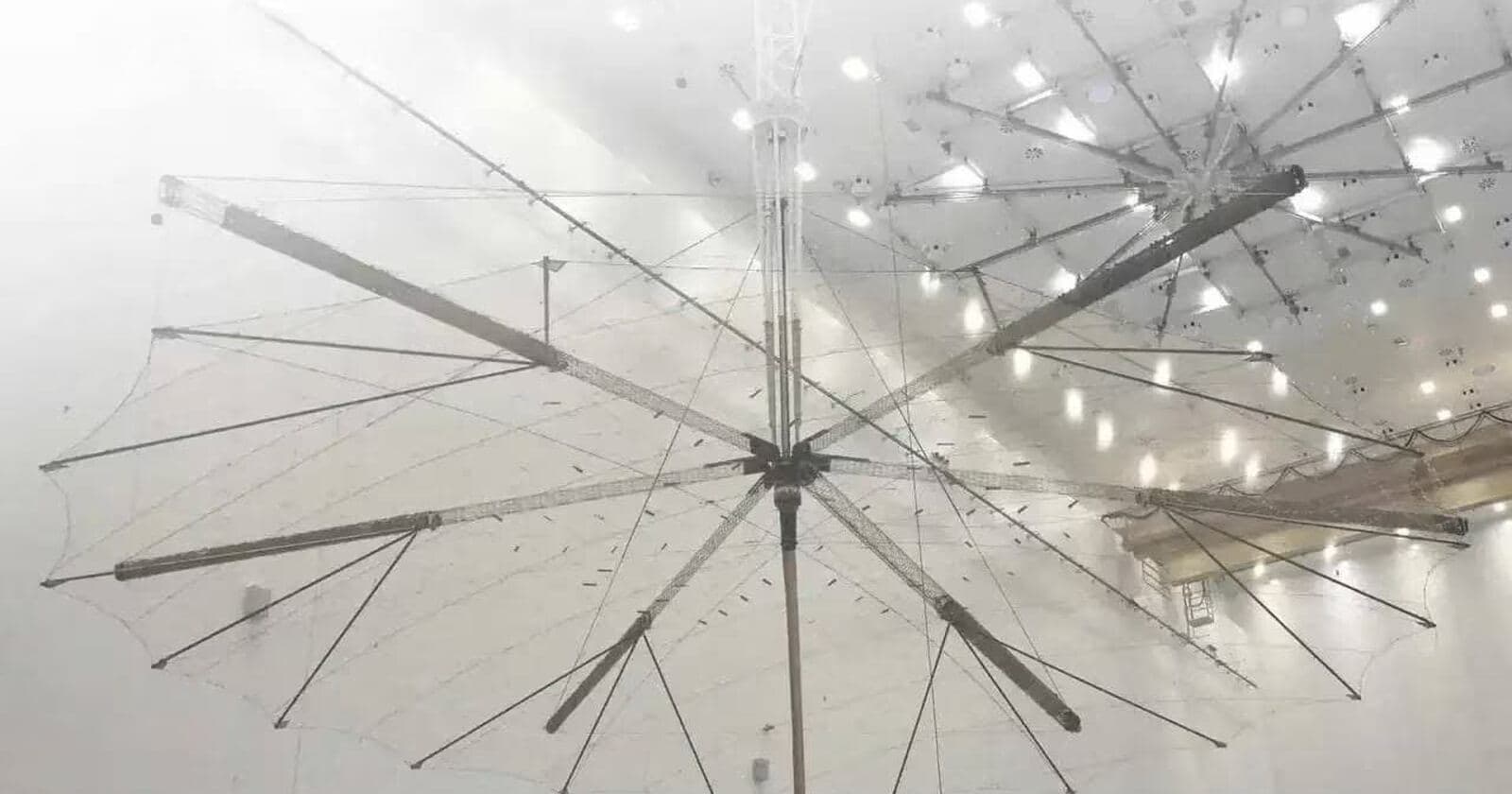
Reshetnev develops folding 12-meter satellite reflector
Anthony tested several versions, changing the glass shapes and trying different noble gases. Neon produced a bright red glow, while krypton created cold blue flashes. The experiment’s appeal comes from watching a simple physical effect change with the gas mixture and an external electric field.
Styropyro has previously made louder and more hazardous projects, including systems powered by car batteries and high-voltage equipment. This flask fits that same tradition of homemade physics demonstrations—but it should not be copied at home. Mercury is toxic, vacuum glass can shatter, and a Tesla coil introduces high-voltage risk.

Frontier Editor
Dan is our resident futurist, covering electric mobility, space exploration, and the smart home. He's interested in atoms just as much as bits. Whether it's a new battery chemistry, a reusable rocket, or a protocol that finally makes IoT devices talk to each other, Dan breaks down the engineering that pushes humanity forward.
via ITzine