• 3 min read
Audi Q7 gets its first full redesign in 11 years
Audi is finally replacing the Q7 properly. The next generation will be the model’s first full redesign in 11 years, and the first official teaser already shows that the brand is going for evolution rather than a dramatic
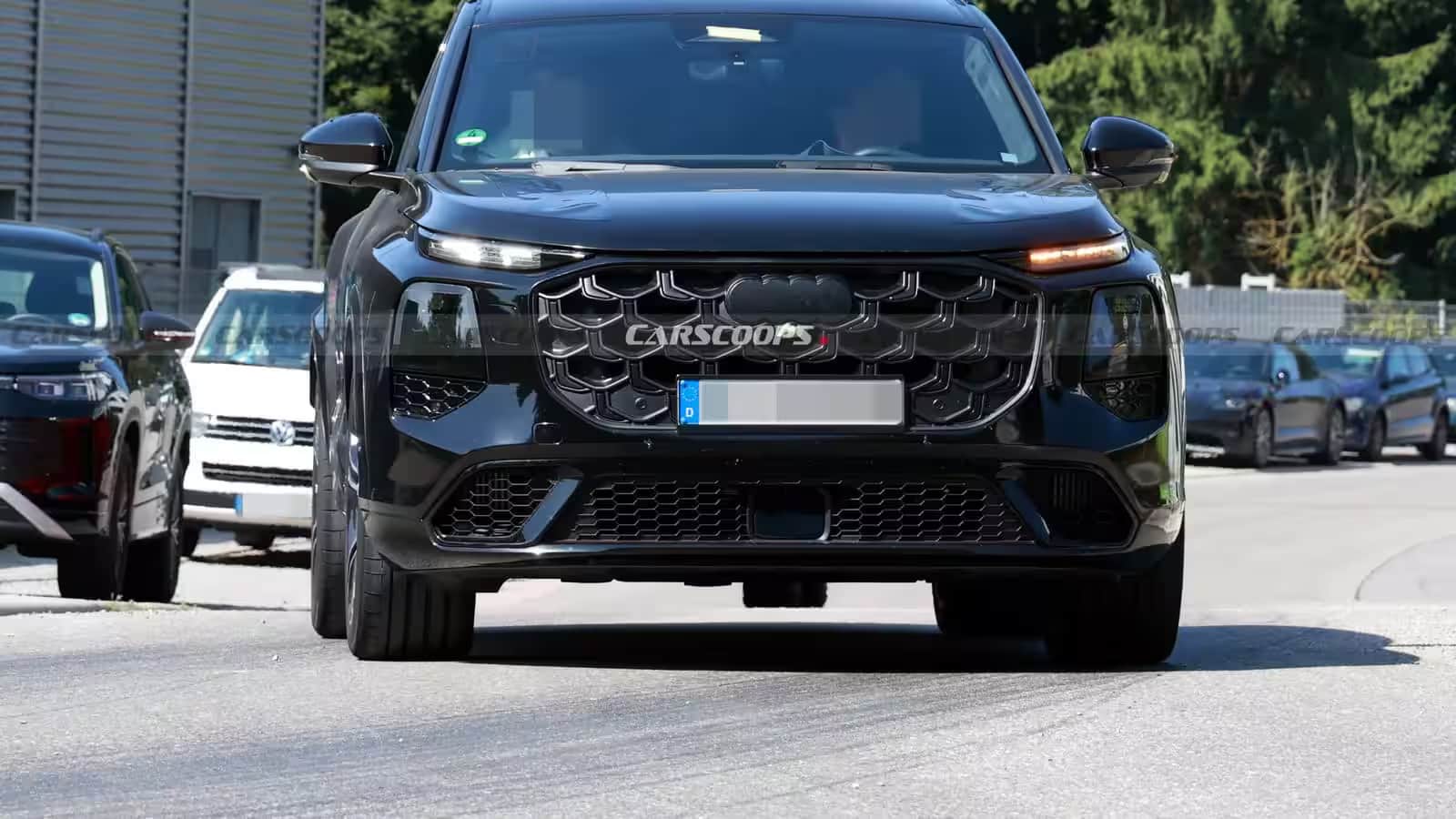
Image: ixbt.com
Audi is finally replacing the Q7 properly. The next generation will be the model’s first full redesign in 11 years, and the first official teaser already shows that the brand is going for evolution rather than a dramatic shock reset. For a nameplate that has been around for almost 20 years, that is a very late but very relevant update.
The teaser itself is stingy, as teasers tend to be, showing only the front door and a few design details. But spy photos have already filled in most of the blanks, and they point to a chunkier SUV with a more upright rear end, a larger grille with a honeycomb pattern, and split LED headlights. A sportier SQ7 prototype has also been spotted, which means Audi isn’t planning to keep the whole family gentle.
What Audi has shown so far
From the factory teaser, the visible changes are limited to new door handles, revised mirror housings, chrome window surrounds, an S Line badge, and a new body color. That is hardly a full reveal, but it does confirm that Audi is leaning into a cleaner, more squared-off design language for its next large SUV.
The leaked images tell the more interesting story. They suggest a more upright tail, extra muscle around the rear haunches, and lighting that looks very much in step with Audi’s newer models. In other words: fewer soft edges, more visual mass, and a stronger attempt to make the Q7 look more expensive without changing the formula too much.
Recommended reading
Graphite One advances Ohio battery-materials plant
Audi Q7 cabin and three-row layout
The interior is expected to move much closer to the upcoming Audi Q9. That means a digital instrument cluster, a large central infotainment screen, and a separate display for the front passenger, which is quickly becoming the new premium flex. Some of the flashier touches planned for the Q9, such as base-level door closers and an adjustable-tint panoramic roof, are likely to stay with the larger flagship.
What will not disappear is the Q7's core appeal: a three-row cabin with space for up to seven people. That matters because Audi is now one of several premium brands trying to keep full-size family SUVs relevant while still justifying the price tag with screens, software, and cabin theatre.
PPC platform, powertrains and timing
The biggest technical change is the move from the current MLB platform to PPC. Audi says the new architecture supports petrol and diesel engines, hybrid setups, and plug-in hybrids, while also promising better comfort and a smoother ride. That lines up with the broader industry trend: legacy premium SUVs are being reworked to keep combustion alive while making room for electrified versions without forcing a clean-sheet EV identity.
- New platform: PPC
- Current platform: MLB
- Body styles seen: regular Q7 and SQ7
- Seats: up to seven
The official premiere is expected in the second half of 2026. After that, Audi will follow with the larger Q9, which is set up as the brand’s new full-size three-row flagship against the BMW X7 and Mercedes-Benz GLS. That makes the new Q7 a bridge, not just a replacement: if Audi gets the proportions, interior tech, and ride quality right, it will matter far beyond one model cycle.

Frontier Editor
Dan is our resident futurist, covering electric mobility, space exploration, and the smart home. He's interested in atoms just as much as bits. Whether it's a new battery chemistry, a reusable rocket, or a protocol that finally makes IoT devices talk to each other, Dan breaks down the engineering that pushes humanity forward.
via ixbt.com