• 4 min read
Uber and Waymo split over D.C. robotaxi rules
Uber and Waymo are split over Washington, D.C.'s robotaxi bill, while new fees and testing rules could give Waymo a six-month head start.
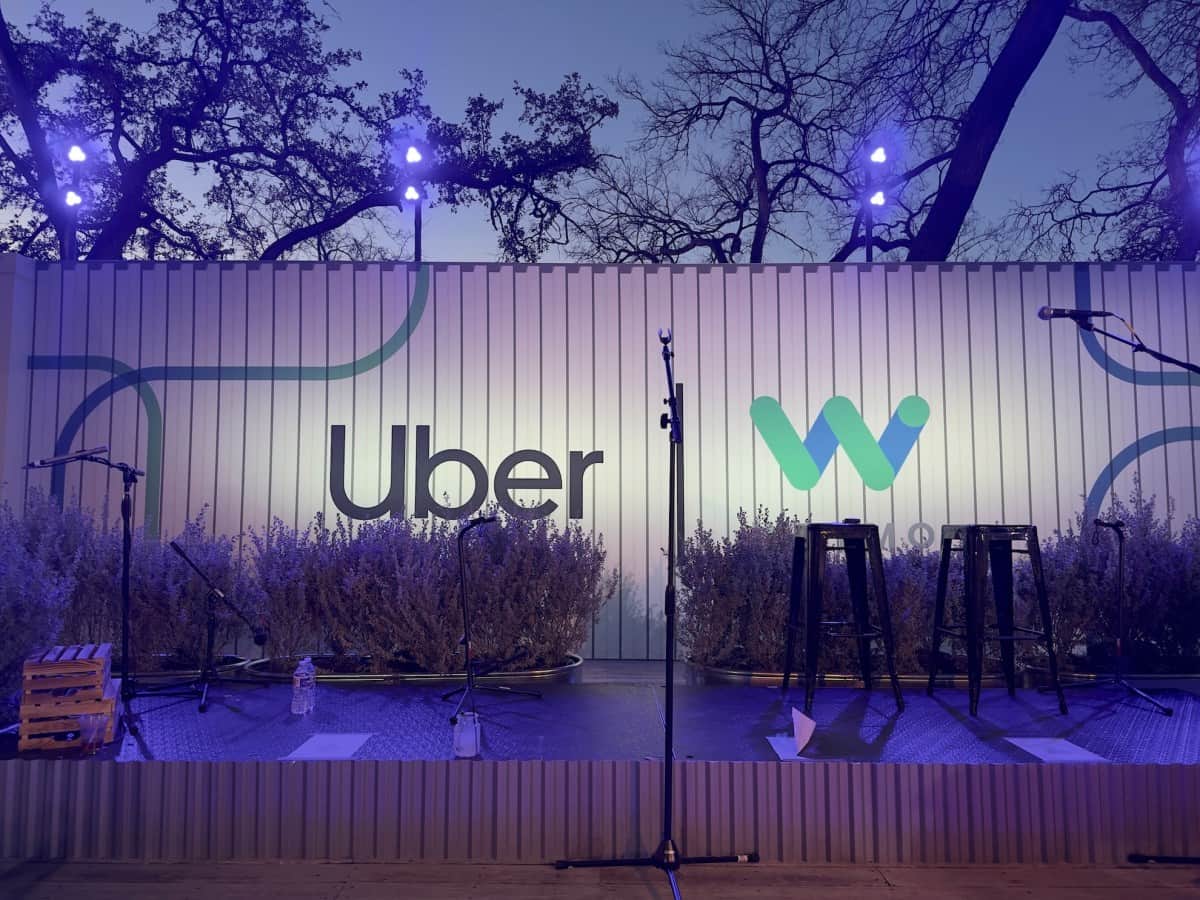
Image: TechCrunch
Uber and Waymo are already taking opposing positions on a proposed law that would allow autonomous vehicles to operate in Washington, D.C., according to TechCrunch’s reporting. The split follows growing strain in the companies' partnership and could shape how robotaxis enter major U.S. cities.
Uber opposes the D.C. bill, arguing that it would displace for-hire human drivers and give Waymo a de facto monopoly. The ride-hailing company is instead lobbying for a “hybrid” system requiring robotaxis to operate on a ride-hailing network alongside human drivers.
Insiders told TechCrunch that approach has little chance of becoming law. If adopted, however, it could force autonomous-vehicle developers such as Waymo to either place their robotaxis on apps like Uber or employ human drivers alongside fleets that took years and hundreds of millions of dollars to develop.
D.C. robotaxi bill draws industry opposition
A D.C. Council hearing on Monday included representatives from Lyft, Tesla, Uber, and Waymo, as well as disability rights and accessibility advocates, local business and industry groups, highway safety organizations, government officials, labor unions, and think tanks.
Waymo is one of the few companies that generally supports the bill. Much of the rest of the industry objects to provisions including:
Recommended reading
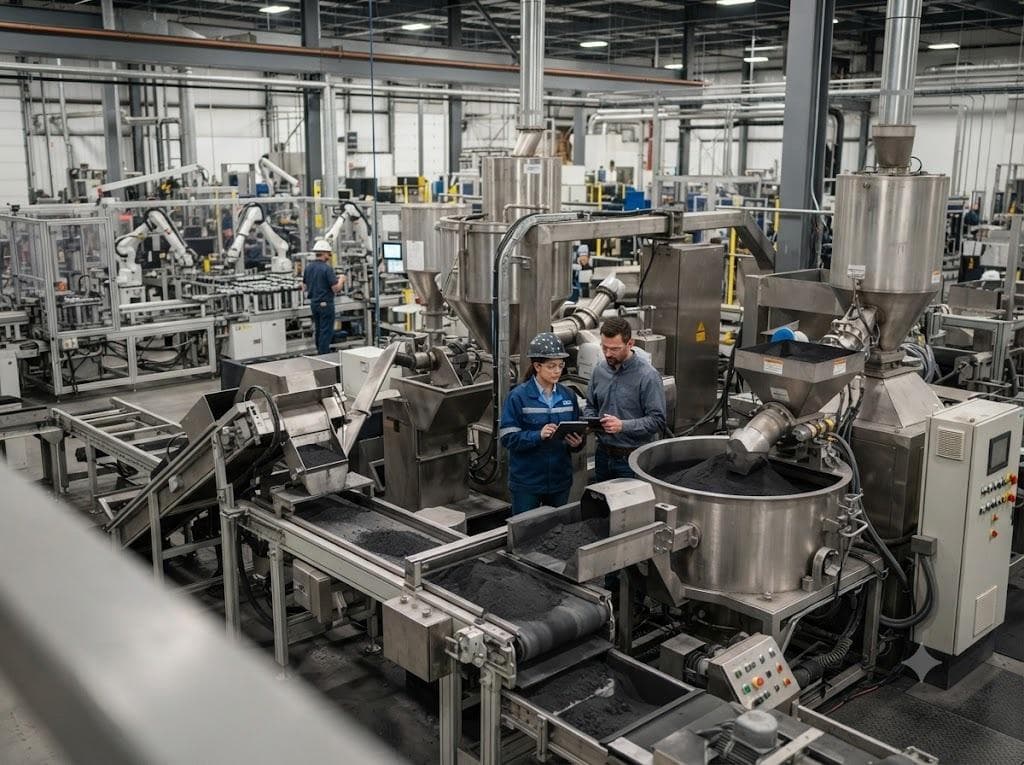
Graphite One advances Ohio battery-materials plant
- 180 days and 250,000 miles of mandatory testing
- A $1 million application fee
- A $5 million permit fee
- A $0.15-per-mile tax
Tesla senior policy adviser India Herdman said testing miles accumulated in other jurisdictions should count toward the mileage threshold. Waymo, which has been testing autonomous vehicles in Washington with human safety operators, has already exceeded both the 180-day and 250,000-mile requirements. If the bill passed as written, Waymo would enter the market with at least a six-month head start.
Uber’s $14.8 billion Delivery Hero deal
Image credit: Bryce Durbin
Uber is also reinforcing its position as a ride-hailing and delivery giant through a $14.8 billion acquisition of Germany’s Delivery Hero. The deal must still clear regulatory hurdles, but it would give Uber access to nearly 100 markets across Europe, the Middle East, Latin America, and Asia, doubling its delivery footprint.
Delivery Hero separately agreed to sell its business in 14 markets where Uber Eats already operates to New York-based investment firm SSW Partners for $1.6 billion.
Other deals highlighted by TechCrunch include:
- San Diego-based vehicle-inspection startup Self Inspection raised $10 million in a round led by the family office of Sheryl Sandberg. U.S. AutoForce and Westlake Financial made strategic investments, while Costanoa Ventures, Rebellion Ventures, and BrightCap Ventures also participated.
- Wire-harness startup Senra raised $65 million in a Series B co-led by Lowercarbon and Interlagos, with participation from General Catalyst, Sequoia Capital, Andreessen Horowitz, and Founders Fund, among others.
- Indian fast-delivery company Zepto is seeking an IPO valuation well below its $7 billion peak, Bloomberg reported, citing anonymous sources.
Lucid, Tesla and other mobility updates
Image credit: Bryce Durbin
Miami-based Chip Motors unveiled a low-speed small EV for short errands and families, with some automated-driving capabilities. The Los Angeles Police Department is reportedly ending its deal with Flock Safety, whose license-plate cameras help law enforcement track vehicles across the United States.
Lucid Motors denied a report that it was considering Chapter 11 bankruptcy. The company’s communications team, CEO, and a U.S. Securities and Exchange Commission filing all said the rumors were false. The report sent Lucid’s stock down more than 50% Tuesday, its largest intraday drop, before shares recovered to about 28% above their pre-drop level.
Other notable developments:
- Lyft CEO David Risher called Lyft the “Good Uber,” according to Wired.
- Preliminary government data reported by the Washington Post showed manual transmissions accounted for 0.6% of new U.S.-market vehicles made in 2025.
- The National Transportation Safety Board said a Tesla driver who crashed into a house in June pressed the accelerator to 100%, overriding Full Self-Driving (Supervised).
- San Francisco Mayor Daniel Lurie urged state regulators to strengthen autonomous-vehicle rules after Waymo robotaxis became immobile in heavy July 4 traffic, ran out of power, and blocked key streets.
- SpaceX aborted its second attempted launch of the upgraded Starship system on Thursday moments after the booster ignited in South Texas.
- Zoox issued a software recall after one robotaxi became confused by smoke from an emergency fire scene in June.
Uber chief product officer Sachin Kansal also spoke with TechCrunch editor-in-chief Connie Loizos about travel, AI agents, and Uber’s effort to play both sides of the robotaxi race in the latest Strictly VC podcast episode.

Frontier Editor
Dan is our resident futurist, covering electric mobility, space exploration, and the smart home. He's interested in atoms just as much as bits. Whether it's a new battery chemistry, a reusable rocket, or a protocol that finally makes IoT devices talk to each other, Dan breaks down the engineering that pushes humanity forward.
via TechCrunch