• 2 min read
AMD Radeon Drivers Hint at 8x Frame Generation
Hidden AMD driver settings point to Radeon frame generation at up to 8x, but the company has not confirmed a launch or release date.
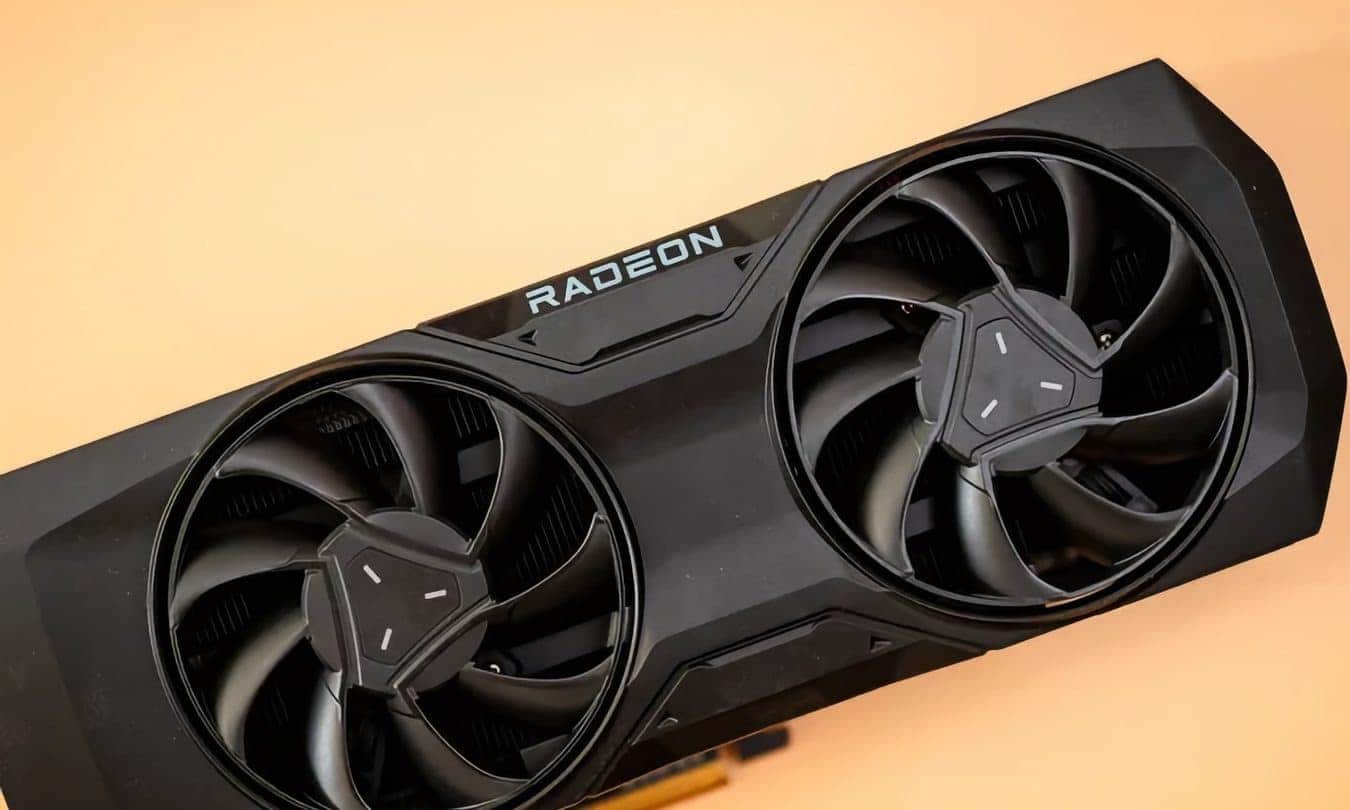
Image: iXBT
AMD is secretly testing Multi-Frame Generation for Radeon graphics cards, with hidden driver settings pointing to a mode capable of creating up to eight frames for every original frame. The company has not officially announced a launch.
Radeon driver reveals 8x frame generation
Enthusiasts found the settings using RadeonTuner, a utility for uncovering hidden features in AMD drivers. Testing Adrenalin 26.6.2 WHQL on a Radeon RX 9070 XT revealed four new FSR parameters, including an FSR Multi Frame Generation Override with a multiplier of up to 8x.
The first signs of the technology appeared in April with the FSR Redstone update for ADLXFidelityFXSDK. That release allowed users to select a frame-generation multiplier to balance performance and image quality.
The driver also includes settings to force-enable FSR Ray Regeneration Denoiser, which improves image quality in ray-traced scenes, and FSR Neural Radiance Caching, which uses neural methods to cache lighting data. These features are currently available in only a limited number of games, including Call of Duty: Black Ops 7 and Crimson Desert.
Recommended reading
Dell XPS 16 returns as a powerful creative laptop
AMD has not confirmed a launch date
An 8x mode would give AMD a notable advantage over Nvidia’s current implementation, which is limited to 6x and creates five additional frames for each rendered frame. Current Radeon cards support only standard frame generation with one additional frame, making the jump to 8x substantial.
The higher multiplier also creates challenges around input latency and consistent frame delivery. AMD has not disclosed a release schedule or officially confirmed the discovered parameters, so their presence in the driver indicates preparation—not readiness for broad deployment.

Computing Editor
Tomas lives in the terminal. He covers chips, laptops, and operating systems with a focus on performance and efficiency. He reads kernel changelogs the way other people read fiction, and he's always on the hunt for the perfect mechanical keyboard switch. If it processes data, Tomas has an opinion on it.
via iXBT