• 2 min read
Windows 11's July update adds five overlooked features
Windows 11's July 2026 update adds Point-in-Time Restore, Screen Tint, Shared Audio, cleaner Widgets, and a calendar for pausing updates.
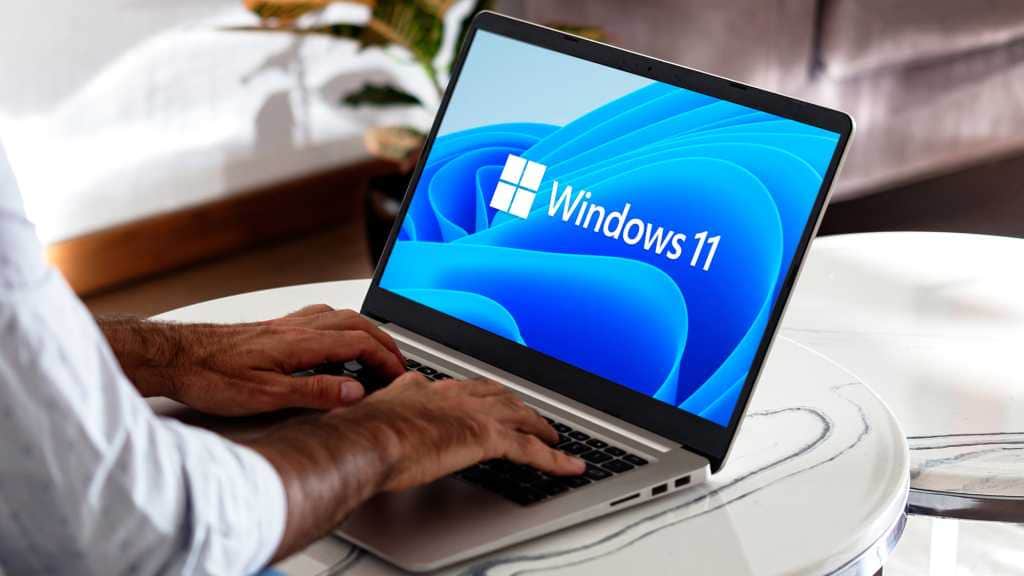
Image: PCWorld
Windows 11's July 2026 update adds a substantial set of features and security fixes, but Microsoft is activating them gradually. The files are installed once users download the update; access to individual features may take longer as Microsoft limits server load and monitors for unexpected problems.
Five Windows 11 features to watch
A cleaner Widgets Board: The Widgets Board no longer expands across the screen when you hover over its taskbar icon. Microsoft has also reorganized the dashboard to reduce information overload. Notifications and icons on the taskbar appear in a minimized state.
A calendar for pausing updates: Windows Update can now be postponed through a new calendar control. Microsoft strongly advises users not to delay updates for too long, however, particularly because they may contain important security fixes.
Point-in-Time Restore: The new Point-in-Time Restore (PITR) feature automatically creates restore points covering the Windows system, applications, settings, and files. Users can revert their PC to any PITR snapshot from the previous 72 hours, restoring all of those elements together. PCWorld describes it as an “undo button” for the computer and one of the update’s strongest additions.
Customizable Screen Tint: Screen Tint aims to reduce eye strain in a similar way to Windows Night Light by applying a color overlay across the display. Unlike Night Light, which adjusts the screen’s color temperature, Screen Tint lets users choose both the overlay’s color and its intensity.

Recommended reading
AMD Radeon Drivers Hint at 8x Frame Generation
Improved Bluetooth and Shared Audio: The update fixes several Bluetooth connection problems and introduces Shared Audio, which allows Windows audio to play through multiple Bluetooth devices at the same time.
Users who do not see every feature immediately will need to wait for Microsoft’s staged activation. The rollout is designed to avoid overwhelming the company’s servers and to limit the impact of problems that might otherwise affect a broad group of PCs.
This article originally appeared in PC-WELT and was translated and localized. Author: Hans-Christian Dirscherl, managing editor at PC-WELT. Dirscherl has covered IT news, reviews, and buying guides for around 25 years, beginning with Autoexec.bat, config.sys, Turbo Pascal, C, Sinix, and WordPerfect.

Computing Editor
Tomas lives in the terminal. He covers chips, laptops, and operating systems with a focus on performance and efficiency. He reads kernel changelogs the way other people read fiction, and he's always on the hunt for the perfect mechanical keyboard switch. If it processes data, Tomas has an opinion on it.
via PCWorld