• 2 min read
LG users revolt over monitor software and TV voice terms
LG users are questioning unwanted monitor software and TV terms that require warnings when guests' voices may be captured and processed.
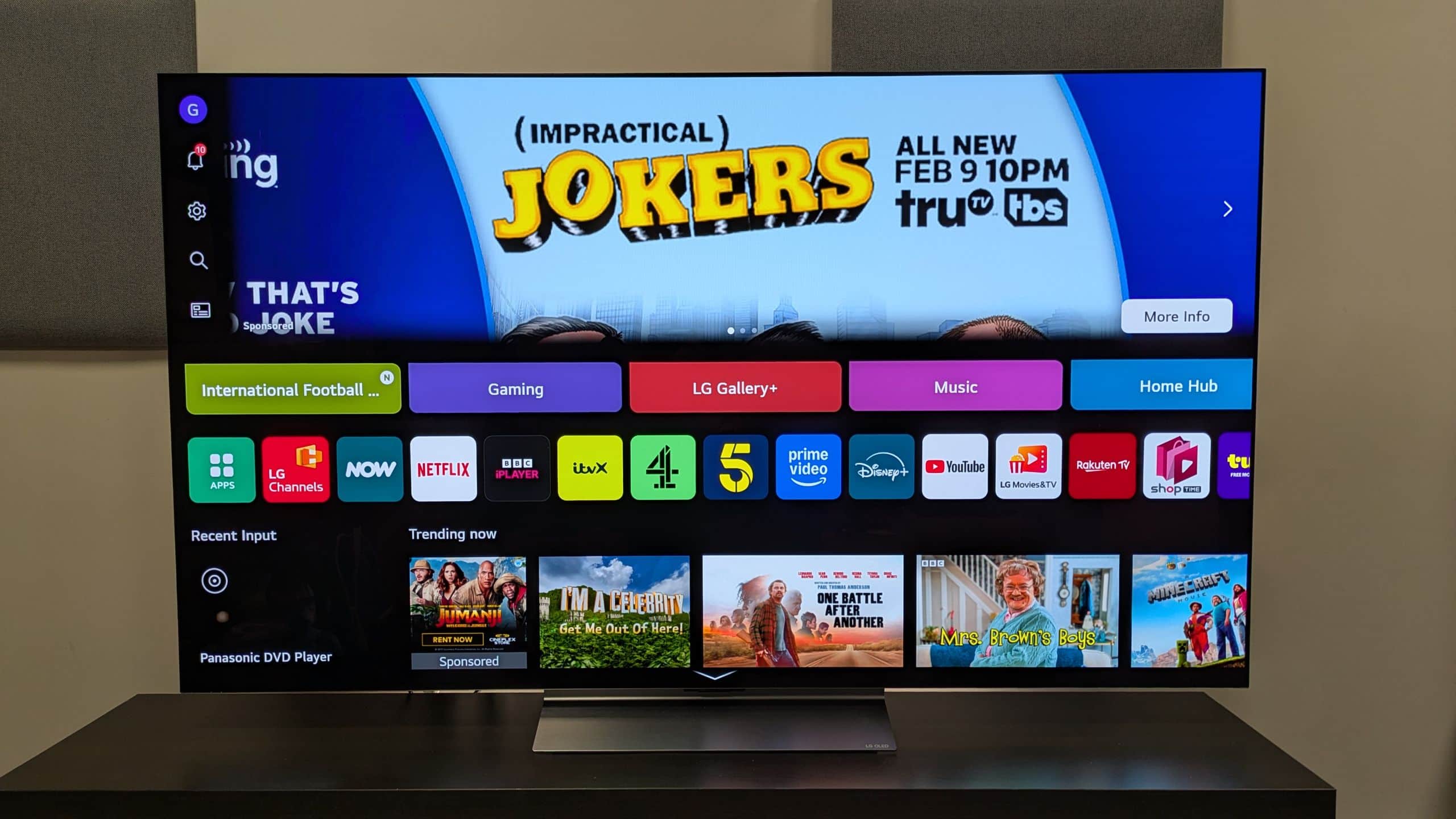
Image: r/LGOLED
!LG C6 OLED TV showing the webOS 26 home page, with apps arranged below a large banner ad (Image credit: Future)
LG users are pushing back against two separate privacy and software concerns: reports that some gaming monitors install unwanted programs on Windows PCs, and new TV terms that place responsibility on owners to warn guests their voices may be recorded.
LG monitor software triggers user backlash
According to Gamers Nexus, some LG monitors appear to install more than the expected LG Monitor App Installer. The installation may also add McAfee Scam Detector without clearly asking for permission.
LG’s own software reportedly requests full access to system resources. That could potentially include online activity, login information, hardware details, location data and more. McAfee, meanwhile, has a long history of being bundled as bloatware, making the unexpected installation particularly unpopular with users.
There may be an innocent explanation, but the lack of clear consent has fueled suspicion—especially as users have become less willing to accept large technology companies installing software they did not explicitly request.

Recommended reading
1Password gives Claude password access without exposure
LG TV terms address voice recording
The controversy around LG’s smart TVs centers on section 6(d) of the company’s latest terms of service, titled “Voice Recognition and Privacy Compliance.” As Notebookcheck’s Hannes Brecher reported, the section says owners are responsible for:
“obtaining all necessary consents from any third parties whose voices may be captured by the Product and notifying household members and guests that their voices may be captured and processed, in compliance with applicable wiretapping, eavesdropping, and privacy laws.”
That leaves users with three practical options: disable microphone-based features, avoid installing the latest software, or disconnect the TV from the internet. Each has a drawback. Disabling the microphone removes voice controls, skipping updates means missing security fixes, and taking the TV offline limits its smart features while disabling voice controls as well.
The terms appear aimed at protecting LG from legal liability when voice-recognition features are enabled. However, their wording is broad enough to raise concerns about whether captured voices could be used as AI inputs rather than only processed to deliver a requested feature.
The issue has drawn negative reactions on Reddit and in responses to Gamers Nexus' original YouTube video. LG has been approached for comment on both claims and had not responded when the source article was published.

Security Editor
Sophia unpacks the invisible wars happening on our networks. Covering cybersecurity, privacy legislation, and cryptography, she exposes how our data is weaponized and defended. Before joining for(geeks), she spent years as a penetration tester. She's the reason the rest of the team uses physical security keys.
via TechRadar