• 4 min read
Cities are ditching Flock cameras as backlash grows
Flock Safety’s AI-powered camera network is spreading, but more than 45 cities have canceled contracts over privacy, abuse, and data-sharing fears.
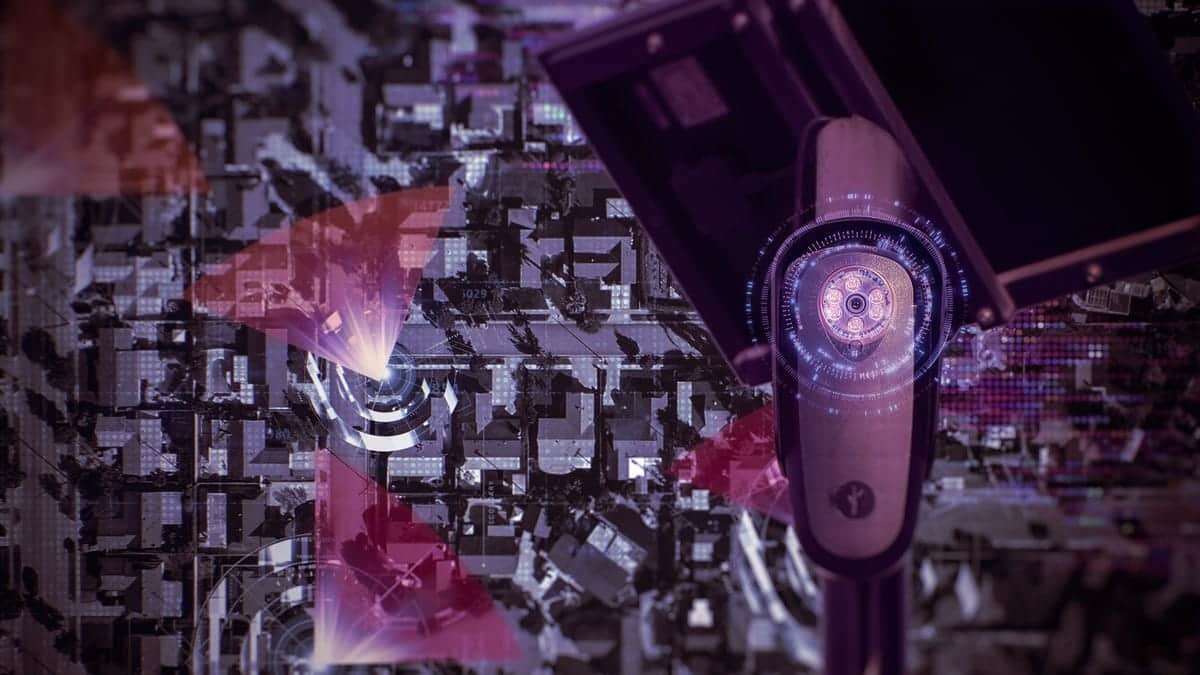
Image: CNET
Flock Safety has become a familiar name in US surveillance, but the tide is starting to turn. From Bend, Oregon, to the LAPD in Los Angeles, cities are canceling contracts for Flock’s AI-powered license plate reader systems. In some places, officials have even covered cameras with plastic bags while they work out whether the devices are truly offline.
The concern is not just the cameras themselves. Flock’s network has expanded from automatic license plate recognition (ALPR) to broader video tools and even drones. The company says its systems help solve property crime and violent crime, and it has promoted uses ranging from mail theft to kidnappings, shootings, and homicides. But civil liberties groups and residents argue that the same tools can easily become a mechanism for routine mass surveillance.
A University of Washington Center for Human Rights study found that at least eight Washington law enforcement agencies shared their Flock data networks directly with ICE in 2025, while 10 more departments allowed ICE backdoor access without explicitly approving it. Flock says it does not have a direct partnership with ICE and ended its pilot programs with Department of Homeland Security officials in August 2025, but local police can still share data with federal agencies.

Recommended reading
Apple faces lawsuit over Hide My Email flaw
The company also faced backlash over a planned partnership with Ring, which would have let police request footage from Ring home security cameras for investigations. After public criticism, Ring cut ties with Flock.
How Flock identifies vehicles and people
Flock says its standard ALPR cameras do not technically track vehicles, but instead capture a “point-in-time” image. In practice, police can use Flock’s software to build timelines by searching those images. The system can identify more than a plate number, including:
- vehicle body type
- color
- roof racks
- paint details
- items visible in the vehicle
A Flock spokesperson told CNET the company does not use facial recognition, but its tools can still search for people in other ways. One product, Freeform, allows natural-language searches, including descriptions of what a person is wearing.
Flock’s newer Drone as First Responder platform raises the stakes further. The drones can launch automatically in response to 911 calls or gunfire, travel at up to 60 mph, and follow vehicles or people. Flock says flight paths are logged on a public dashboard.
Data security is one issue; abuse is another
Flock says it stores data for 30 days on Amazon Web Services, uses KMS-based encryption, and encrypts data from device to cloud. But customers — whether police departments, businesses, or HOAs — control the data once they access it.
That is where much of the controversy sits. According to CNET, law enforcement abuse cases have piled up. A Kansas police chief used Flock cameras 164 times to track an ex. In Texas, a sheriff claimed to be tracking a missing person but was later found to be investigating a possible abortion. In Georgia, a police chief was arrested for using Flock to stalk and harass citizens. In Virginia, a man suing the city of Norfolk found that Flock cameras had been used to track him 526 times, about four times per day.
Flock points to an auditing feature that logs every search, and says that tool helped expose the Georgia case. But audit logs only go so far if officers use vague terms such as “investigation” or “crime” to justify broad searches.
That tension helps explain why more than 45 cities have canceled Flock contracts amid public pressure. Even then, local officials may decide to replace Flock with another ALPR vendor rather than step back from surveillance altogether.
The underlying fight is no longer just about a license plate camera on a pole. It is about how easily a system sold as a tool for finding stolen cars can turn into a searchable record of where people drive, what they carry, and who law enforcement decides to follow.

Security Editor
Sophia unpacks the invisible wars happening on our networks. Covering cybersecurity, privacy legislation, and cryptography, she exposes how our data is weaponized and defended. Before joining for(geeks), she spent years as a penetration tester. She's the reason the rest of the team uses physical security keys.
via CNET