• 3 min read
AMD Hides 8x Frame Generation in Radeon Drivers
AMD’s Adrenalin 26.6.2 driver hides an FSR frame-generation setting with an 8x maximum, alongside experimental ray-tracing and lighting features.
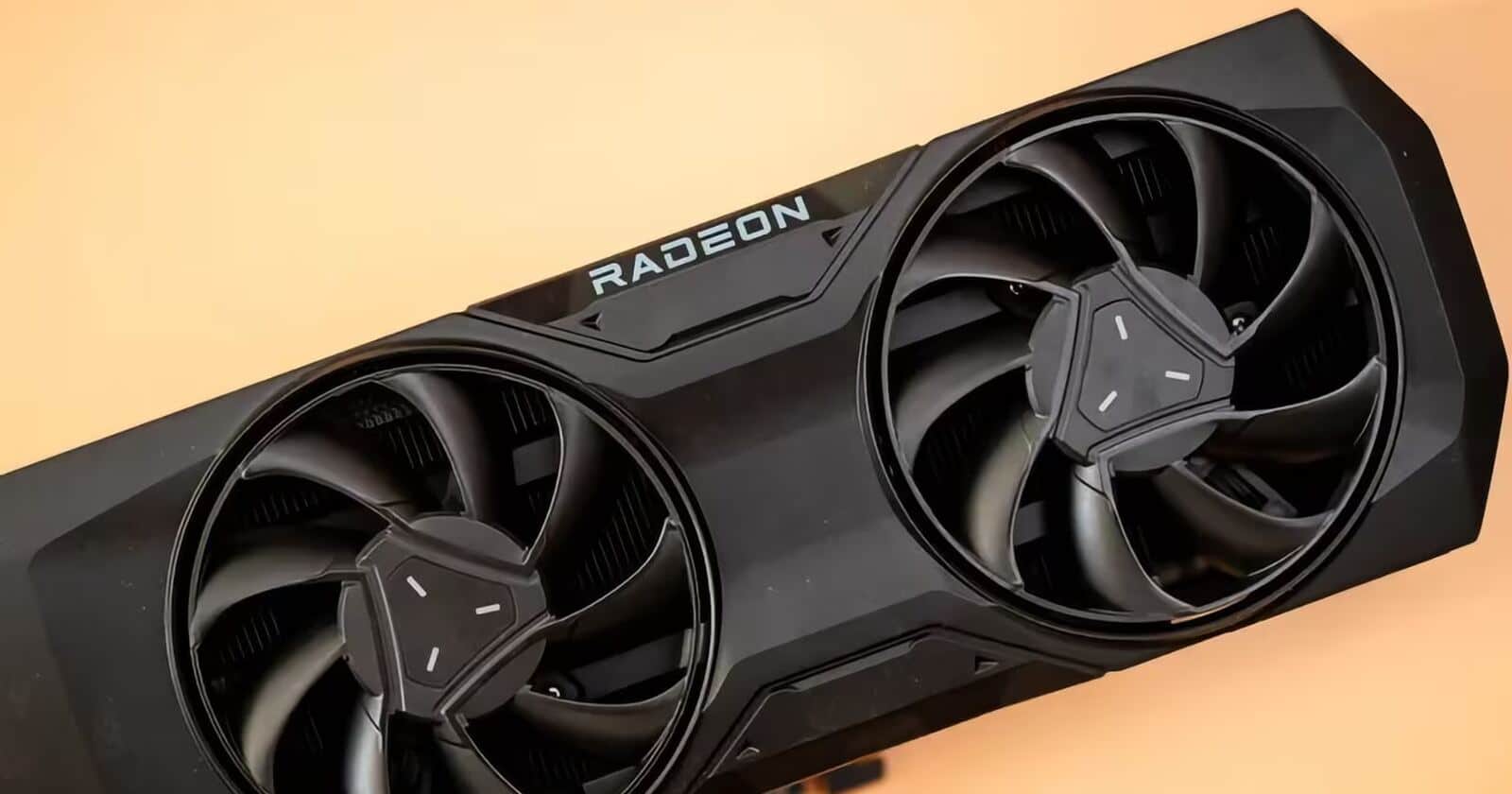
Image: ITzine
AMD appears to be testing an 8x frame-generation mode for Radeon graphics cards, with the first traces found in the Adrenalin 26.6.2 WHQL driver. The discovery came through RadeonTuner, a utility that exposes hidden software parameters from AMD’s drivers.
If released, the feature would give Radeon one of the most aggressive upscaling and frame-generation implementations currently under development. However, the driver entries do not confirm that AMD plans to ship the mode publicly.
Hidden FSR settings in Adrenalin
Researchers found four new parameters connected to FidelityFX Super Resolution (FSR). One is a “FSR Multi Frame Generation Override” switch whose maximum setting is listed as 8x. That would allow the system to generate several intermediate frames for every traditionally rendered frame.

Recommended reading
The $399 reMarkable Paper Pure cuts out distractions
The same driver also exposes other experimental options:
- FSR Ray Regeneration Denoiser, designed to clean up images in ray-traced scenes.
- FSR Neural Radiance Caching, a neural lighting-cache technology.
Both features have already appeared in individual games, including Call of Duty: Black Ops 7 and Crimson Desert. Their appearance in the driver suggests AMD may be assembling a broader set of FSR capabilities rather than treating them as isolated game-specific technologies.
The discovery follows AMD’s FSR Redstone update for ADLXFidelityFXSDK, demonstrated in April. That update allowed users to select a frame-generation multiplier and tune the balance between performance and image quality. The new driver parameters appear to follow the same direction.
8x generation brings latency risks
Radeon’s mainstream frame-generation options have so far been considerably more modest. An 8x mode would represent more than a minor adjustment: it would test the limits of the driver and FSR’s AI-based processing.
Generating more synthetic frames can increase input-latency requirements and make visual artifacts more obvious, particularly in fast-paced games. That is why AMD may initially keep the feature in test builds or hidden settings, with a public release dependent on image stability and artifact control.
The central question is whether Radeon hardware can support such a high generation multiplier without a noticeable loss of responsiveness. The driver parameters alone cannot answer that; a public announcement or a leaked beta with the feature enabled would be needed.
AMD’s response to Nvidia frame generation
The experiment also gives AMD another way to compete with Nvidia, which has promoted frame generation across its GeForce lineup for years. Buyers increasingly compare not only raw performance, but also the broader set of AI-powered features surrounding each company’s graphics ecosystem.
If AMD brings 8x generation to a stable release, Radeon could gain a distinctive feature rather than simply matching Nvidia’s approach. For now, though, the evidence remains limited to hidden Adrenalin settings, the earlier Multi Frame Generation reference in the SDK, and FSR modules already working in selected games. The 8x mode could still remain an internal experiment.

Computing Editor
Tomas lives in the terminal. He covers chips, laptops, and operating systems with a focus on performance and efficiency. He reads kernel changelogs the way other people read fiction, and he's always on the hunt for the perfect mechanical keyboard switch. If it processes data, Tomas has an opinion on it.
via ITzine