• 3 min read
Torvalds Rejects an Anti-AI Linux
Linus Torvalds rejects an anti-AI stance for Linux as a student publishes a 47,000-line Rust rewrite of Linux 0.11.
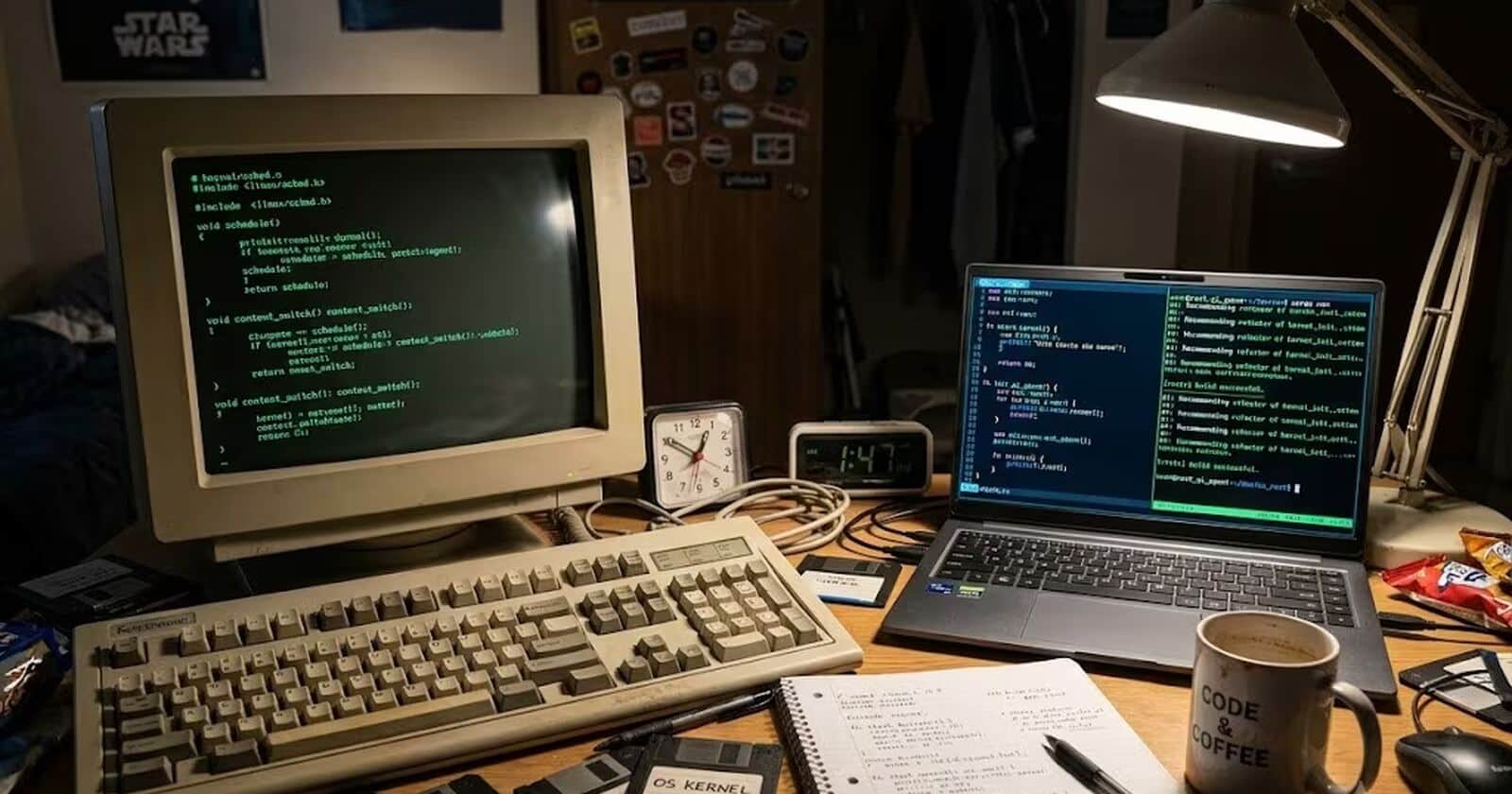
Image: ITzine
Linux will not become an anti-AI project. Linus Torvalds made that position clear during a discussion on the kernel developers' mailing list: developers who oppose AI tools should either accept their use, create a fork, or leave the project.
Torvalds described AI as an ordinary tool rather than something that should be banned. He is not uncritical of large language models, however. They can generate noise, confuse maintainers, and make code review harder—but they can also occasionally identify real bugs.
That marks a shift from Torvalds' comments in 2024, when he said the AI debate contained too much marketing hype and largely avoided engaging with it. His current position is more pragmatic: blindly trusting AI is misguided, but refusing new tools outright is equally strange.
For Linux, the argument is not happening in isolation. The project already relies on automation in the form of analyzers, formatters, test-generation helpers, and vulnerability-detection tools. Torvalds' blunt response signals that discussions about AI-assisted development will be judged less by moral panic and more by whether a tool produces useful, reviewable code.
A Rust rewrite of Linux 0.11
Soon after Torvalds' comments, a project called linux-0.11-rs appeared online. Its author, a Peking University student using the pseudonym Poseidon, rewrote the early Linux 0.11 kernel in Rust.

Recommended reading
Kimi K3's 2.8T Parameters Meet the Pelican Test
The project is not a fork of modern Linux or an attempt to compete with the current kernel. It is an independent implementation of a historical release published on December 8, 1991, only a few months after Linux 0.01. The author aimed to preserve both its core logic and the character of Linux’s early years.
The repository contains more than 47,000 lines of code:
- About 15,000 lines are part of the kernel.
- The remainder consists of libraries, utilities, and early Linux user programs.
Poseidon based the work on a guide to building an operating system in Rust. Users have already noticed apparent traces of AI assistance in parts of the code, adding an ironic twist to the debate: the argument over AI in systems software was immediately accompanied by a working example of how such tools are being used.
Torvalds began Linux in 1991 as a personal “Just for Fun” project. Nearly 35 years later, the setting has changed—from a Minix-compatible educational kernel and hand-written patches to Rust, generative assistants, and a global developer community capable of turning a mailing-list comment into a public code demonstration.
Why the Linux debate is getting louder
AI coding assistants are also being tested at Microsoft, Google, Amazon, and dozens of startups. Over the past two years, the market has grown from a niche experiment into a separate category generating billions of dollars in revenue. Against that backdrop, rejecting AI in the kernel would look less like a technical decision and more like a public declaration—something Torvalds appears unwilling to make.
Linux is unusually sensitive to changes in development practices because maintainers value reproducibility, transparency, and rigorous review alongside speed. Torvalds' position effectively sets a straightforward rule: if a tool helps find bugs without damaging the development process, it remains available to maintainers.
The linux-0.11-rs project also demonstrates that Rust has moved beyond its reputation as merely a “language of the future.” Developers are using it to rebuild system components, educational operating systems, and subsystems in mature products, including Linux itself. The goal is not only memory safety, but also testing how far an old architecture can be reconstructed with modern tools.
The latest response to Torvalds' comment was not another manifesto. It was 47,000 lines of Rust code.

AI Editor
Ava covers the rapidly evolving world of artificial intelligence, from foundational models and research labs to the real-world economics of intelligence. With a background in computational linguistics, she cuts through the hype to find out what actually works. She firmly believes that benchmarks are just marketing until reproduced in the wild.
via ITzine