• 3 min read
Claude Code Silently Auto-Answered Users for 60 Seconds
Claude Code 2.1.198 auto-continued unanswered questions after 60 seconds without a changelog entry. Anthropic reversed the default in 2.1.200.
Image: Hacker News
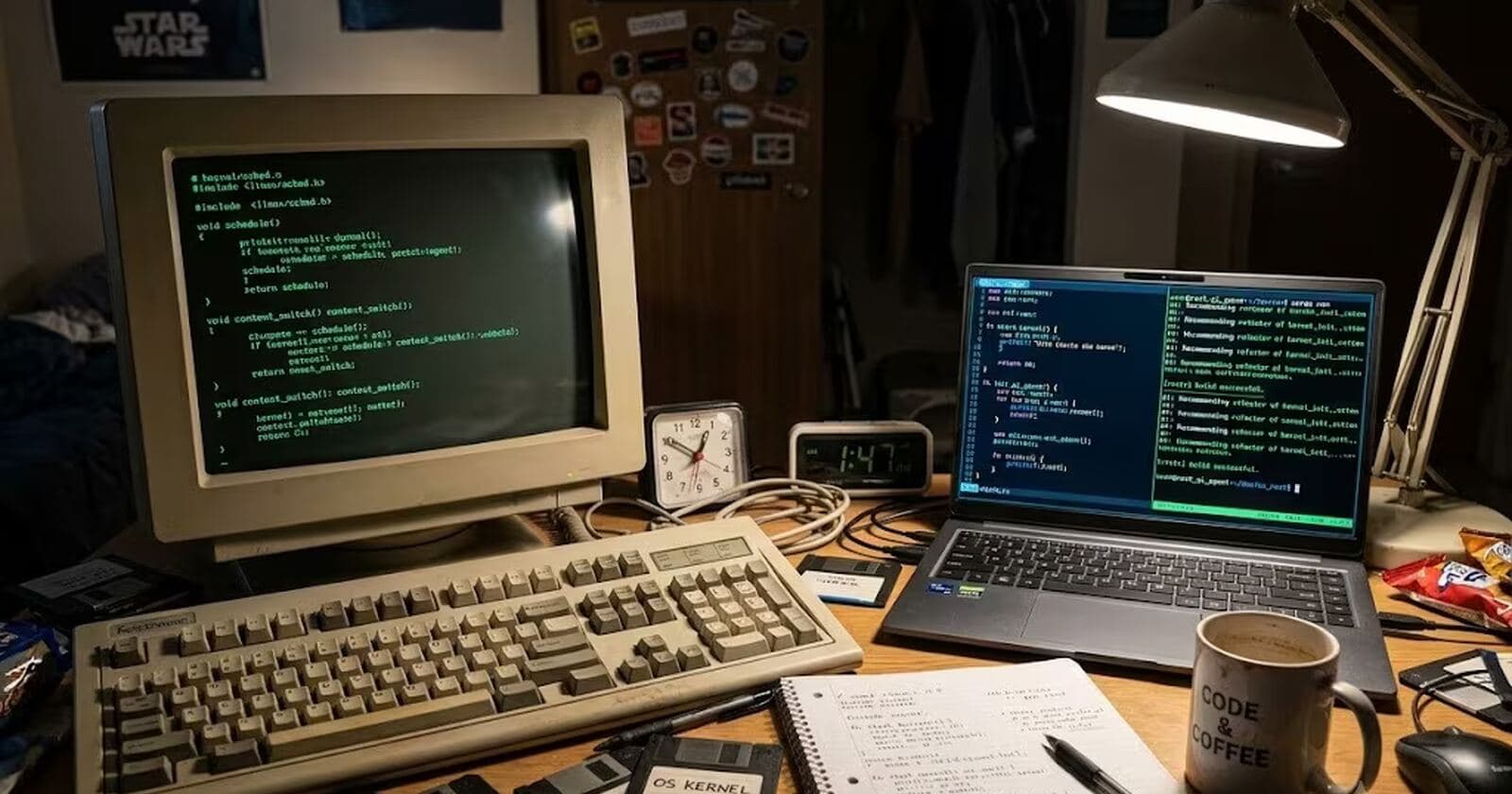
Anthropic’s Claude Code 2.1.198, released on July 1, 2026, introduced a default behavior that automatically answered unanswered user questions after 60 seconds. The change shipped without an entry in the changelog and was reversed roughly two days later in version 2.1.200.
The affected tool, AskUserQuestion, normally pauses an agent while it waits for a human decision. In 2.1.198, an idle dialog returned a result telling the model to continue using its best judgment:
“No response after 60s — the user may be away from keyboard. Proceed using your best judgment based on the context so far; you can re-ask this question later if it’s still relevant.”
The behavior also submitted partial answers. If a user answered one question in a three-question dialog and then stepped away, Claude Code committed that answer and selected the remaining responses itself. The promised “re-ask later” escape hatch was circular: the repeated question faced the same timeout.
How Claude Code 2.1.198 handled idle questions
The feature displayed a countdown, but only during the final 20 seconds by default. For the first 40 seconds, the dialog looked like a normal blocking question, even though the timer was already running. Pressing a key restarted the timer.
The behavior was controlled by CLAUDE_AFK_TIMEOUT_MS, while CLAUDE_AFK_COUNTDOWN_MS controlled when the countdown appeared. Neither setting was documented in the release notes. The model could not configure the timeout: the tool schema accepted only questions, answers, annotations, and metadata.

Recommended reading
OpenAI Hardware and Critical Flaws Shake Up Tech
The timeout applied specifically to AskUserQuestion, not permission prompts such as plan approval. However, users running multiple agents—or using bypassPermissions, acceptEdits, allowedTools, --dangerously-skip-permissions, or PreToolUse hooks—could still have the timer make important choices after permission checks had already been bypassed or allowlisted.
The public timeline, reconstructed from the repository and issue tracker, is short:
- June 29: 2.1.196 released.
- June 30: 2.1.197 released with one changelog line about the Sonnet 5 launch.
- July 1: 2.1.198 released with the auto-continue behavior.
- July 2, 02:54 UTC: Issue #73125 filed by Aleksey Nogin.
- July 2, 03:45 UTC: A commenter identified CLAUDE_AFK_TIMEOUT_MS as an escape hatch.
- July 2: 2.1.199 shipped with 24 entries, still without mentioning the change.
- July 3: 2.1.200 reversed the default.
- July 4, 18:04 UTC: The issue closed.
The issue drew 384 reactions and 143 comments, suggesting the complaint was not isolated.
The fix and the missing changelog entry
Version 2.1.200 changed AskUserQuestion dialogs to no longer auto-continue by default and made the idle timeout opt-in through /config. The capability was not removed. In the current 2.1.211 binary, the setting is called askUserQuestionTimeout, with accepted values of 60s, 5m, 10m, and never; an unset value resolves to never.
The timeout machinery remains in the product, with a default constant of 60,000 milliseconds and a countdown threshold of 20,000 milliseconds. The two environment variables also remain available. Before the fix, users pinned to an affected release could set CLAUDE_AFK_TIMEOUT_MS to a very large value to disable the behavior.
The changelog gap is central to the incident. AskUserQuestion appears 15 times across 13 versions, beginning with 2.0.55, but the auto-continue behavior appears only in the 2.1.200 entry that removed it. Versions 2.1.198 and 2.1.199 did not disclose the change, and CLAUDE_AFK_TIMEOUT_MS appeared nowhere in the changelog or README at the time.
Anthropic later documented both environment variables in its environment-variable reference, stating that auto-continue is off by default and can be enabled through askUserQuestionTimeout. The rapid reversal addressed the immediate bug, but the silent default change exposed a more consequential release-process problem: an agent-control feature could alter human decision points without a documented opt-out.

AI Editor
Ava covers the rapidly evolving world of artificial intelligence, from foundational models and research labs to the real-world economics of intelligence. With a background in computational linguistics, she cuts through the hype to find out what actually works. She firmly believes that benchmarks are just marketing until reproduced in the wild.
via Hacker News