• 2 min read
Samsung targets 2029 launch for Yongin chip factory
Samsung may start its first Yongin semiconductor factory in 2029, ahead of schedule, as AI-chip demand drives capacity expansion in South Korea.
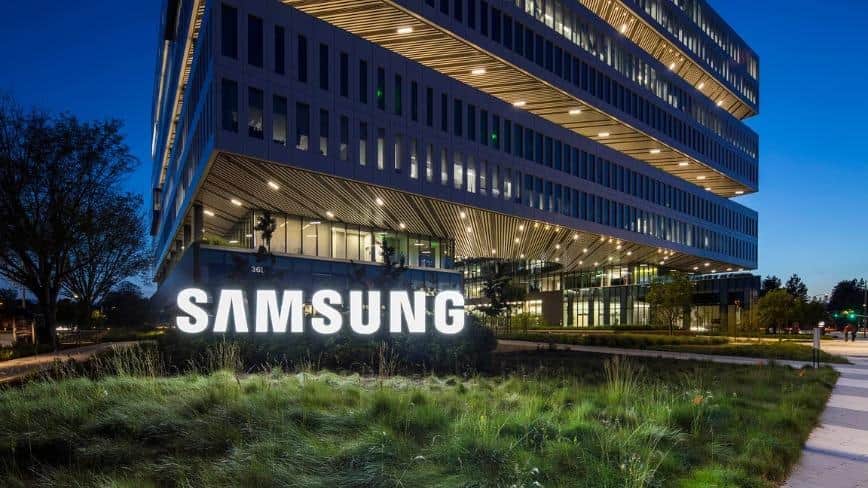
Image: iXBT
Samsung Electronics may bring its first factory in South Korea’s Yongin semiconductor cluster online in 2029, one to two years earlier than the previously expected 2030–2031 window, according to industry sources cited by Yonhap. Samsung and South Korea’s Ministry of Trade, Industry and Energy have not officially confirmed the date.
The facility will be part of the Yongin National Industrial Complex, a strategic national project intended to become a major Samsung production hub. The complex is planned to include six factories. The accelerated schedule follows government efforts to speed up infrastructure work, including land preparation and the provision of electricity and water.
An earlier start would allow Samsung to expand output as global demand for AI chips grows. In recent years, the company’s semiconductor division has been strongly supported by sales of high-bandwidth memory (HBM), which is used in AI servers.

Recommended reading
Eoptolink seeks $5bn Hong Kong AI listing
Samsung and SK Hynix expand capacity
Samsung’s competitors are also adding production capacity. SK Hynix, one of the world’s largest memory manufacturers, plans to invest $51 billion in a new NAND flash factory in Cheongju, with production scheduled to begin in the first half of 2029. That would put two of the three largest memory producers on track to bring new capacity online at roughly the same time.
Samsung previously said that, under South Korea’s “mega-project” program, it plans to invest 2,030 trillion won—about $1.35 trillion—in semiconductor clusters in Pyeongtaek and Yongin. A further 400 trillion won is earmarked for two new factories in Gwangju, in the country’s southwest. The plans form part of a broader investment package presented on June 29 at a meeting led by South Korean President Lee Jae-myung.
Samsung has not disclosed which chips the first Yongin factory will produce. It could focus on logic chips, memory, or both. The company also has not said whether accelerating the first facility will change the construction schedule for the complex’s other five sites.
Electricity access remains a major constraint alongside factory construction. Semiconductor clusters in South Korea have previously faced delays because new power-transmission lines had to be built.

Enterprise Editor
Marcus follows the money. He covers enterprise software, cloud architecture, and the tectonic shifts in Big Tech strategy. He translates dense earnings calls and complex M&A activity into actionable insights about where the industry is actually heading. If a tech giant makes a silent pivot, Marcus is usually the first to notice.
via iXBT