• 3 min read
Volkswagen puts autonomous ID Buzz shuttles on Hamburg roads
Volkswagen has started free autonomous ID Buzz shuttle rides in Hamburg, using SAE Level 4 vans with onboard safety operators.
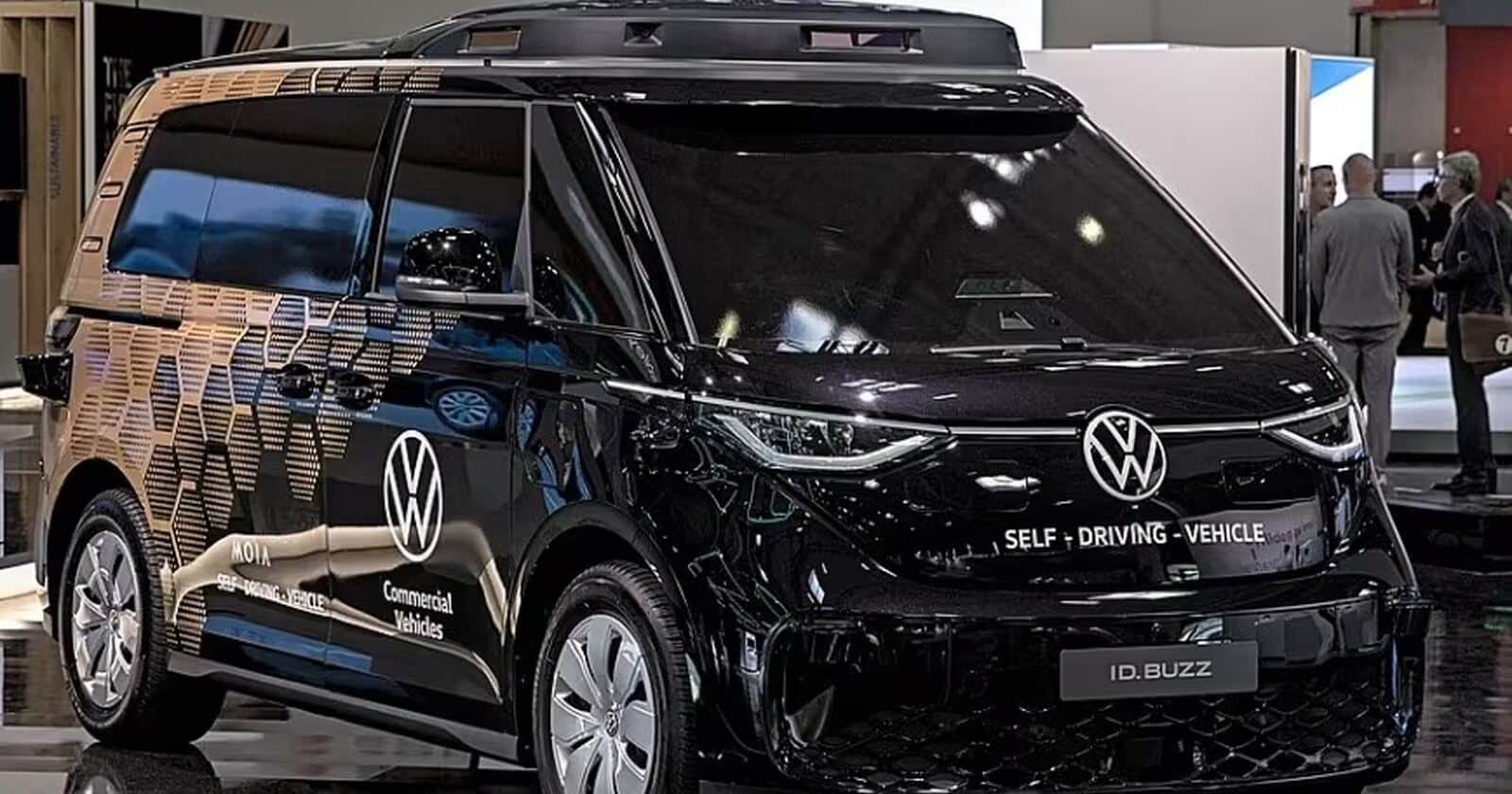
Image: ITzine
Volkswagen has launched a pilot autonomous-ride service in Hamburg through its Moia subsidiary. Residents can currently book the shuttles for free in the app. There is no driver behind the wheel, but a safety operator remains onboard.
The initial fleet includes up to five autonomous ID Buzz vans, with plans to expand to 10 vehicles during the first phase. The service currently covers about 10.5 square kilometers, with a planned expansion to roughly 36 square kilometers.
For Europe, the launch is notable because passengers are now riding in autonomous vehicles on public roads rather than watching demonstrations on a test track. But this is not yet full-scale urban transport. Moia is using a shared-shuttle model instead of door-to-door robotaxi trips: passengers board at virtual stops and travel in the same direction, creating a service somewhere between a taxi and public transit.
How the autonomous ID Buzz service works
The pilot is open only to registered users. After a booking is made through the app, the system groups passengers with similar destinations into a shared route. A single shuttle can handle several bookings in succession, which is central to the model.
Recommended reading
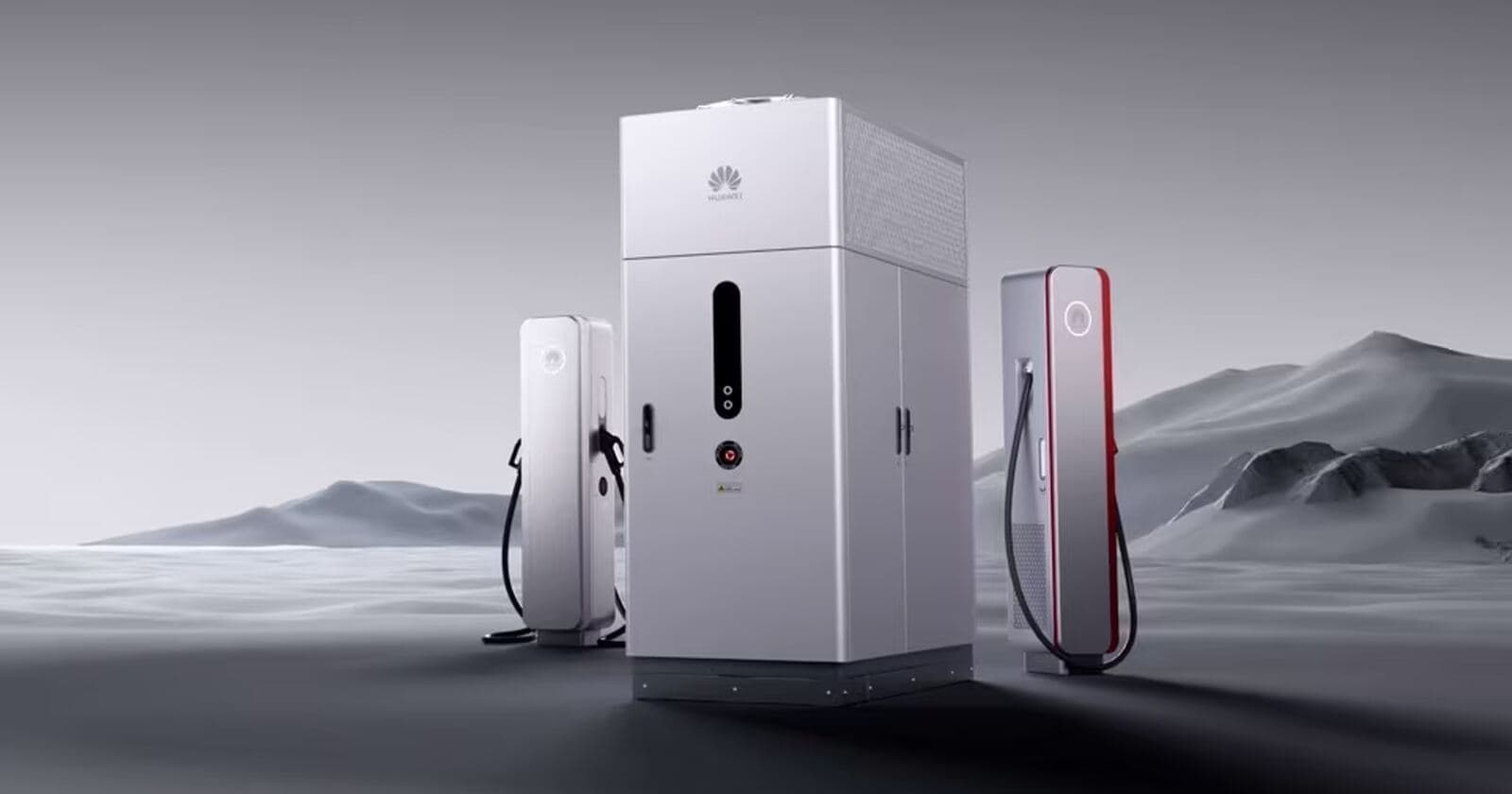
Huawei’s 600 kW chargers reach Volkswagen drivers
The Hamburg vehicles are autonomous electric ID Buzz vans equipped with Mobileye technology and rated at SAE Level 4. That means they can operate without human input within a defined area and under controlled conditions. This goes beyond a conventional driver-assistance system, although the restricted operating zone remains a key limitation.
A safety operator stays in the cabin. The operator does not drive continuously but can intervene if an unusual situation occurs, leaving passengers in an intermediate phase between assisted driving and fully unattended operation.
Key pilot parameters include:
- Initial fleet: up to 5 autonomous ID Buzz vehicles
- First-stage expansion: up to 10 vehicles
- Current operating area: about 10.5 square kilometers
- Planned operating area: approximately 36 square kilometers
- Autonomy level: SAE 4
Why Volkswagen is using a shuttle model
The project is more than a technology demonstration for Volkswagen. The autonomous-transport market has narrowed in recent years: General Motors closed Cruise after accidents and investigations, while other companies have reduced costly urban programs that failed to deliver quick returns.
Against that backdrop, a shuttle service is a more cautious proposition than trying to deploy a full citywide robotaxi network. Hamburg offers a demanding but structured test environment, with dense traffic, strong public transport, and established rules for pilot programs. If the system performs well, it could be presented to other municipalities as an addition to existing transit networks rather than a direct replacement for taxis.
Moia also wants to sell the platform to cities and transport operators, rather than build a closed ride network in the style of Waymo or Tesla’s approaches to autonomous transport. That would position the company less as a carrier and more as a provider of an operational service.
The project is backed by Germany’s ALIKE government program, funded by the Federal Ministry for Digital and Transport through the middle of 2027. If testing proceeds without serious failures, Moia expects to seek European approval for fully driverless ID Buzz operation in 2027 and then expand beyond Germany.
In the United States, the company is preparing a shuttle launch in Orlando with Beep and plans to bring autonomous ID Buzz vehicles to the Uber platform in Los Angeles by the end of the year. The immediate test is whether an autonomous shuttle can occupy the space between a shared minibus and a robotaxi; a full European approval in 2027 could determine whether Hamburg becomes a repeatable commercial product.

Frontier Editor
Dan is our resident futurist, covering electric mobility, space exploration, and the smart home. He's interested in atoms just as much as bits. Whether it's a new battery chemistry, a reusable rocket, or a protocol that finally makes IoT devices talk to each other, Dan breaks down the engineering that pushes humanity forward.
via ITzine