• 3 min read
Virgin Galactic brings Unity back as SpaceShip tests near
Virgin Galactic has put its VSS Unity spaceplane back in the air after nearly a year on the sidelines, and the move says a lot about where the company is headed: the old vehicle is no longer there to carry tourists, but
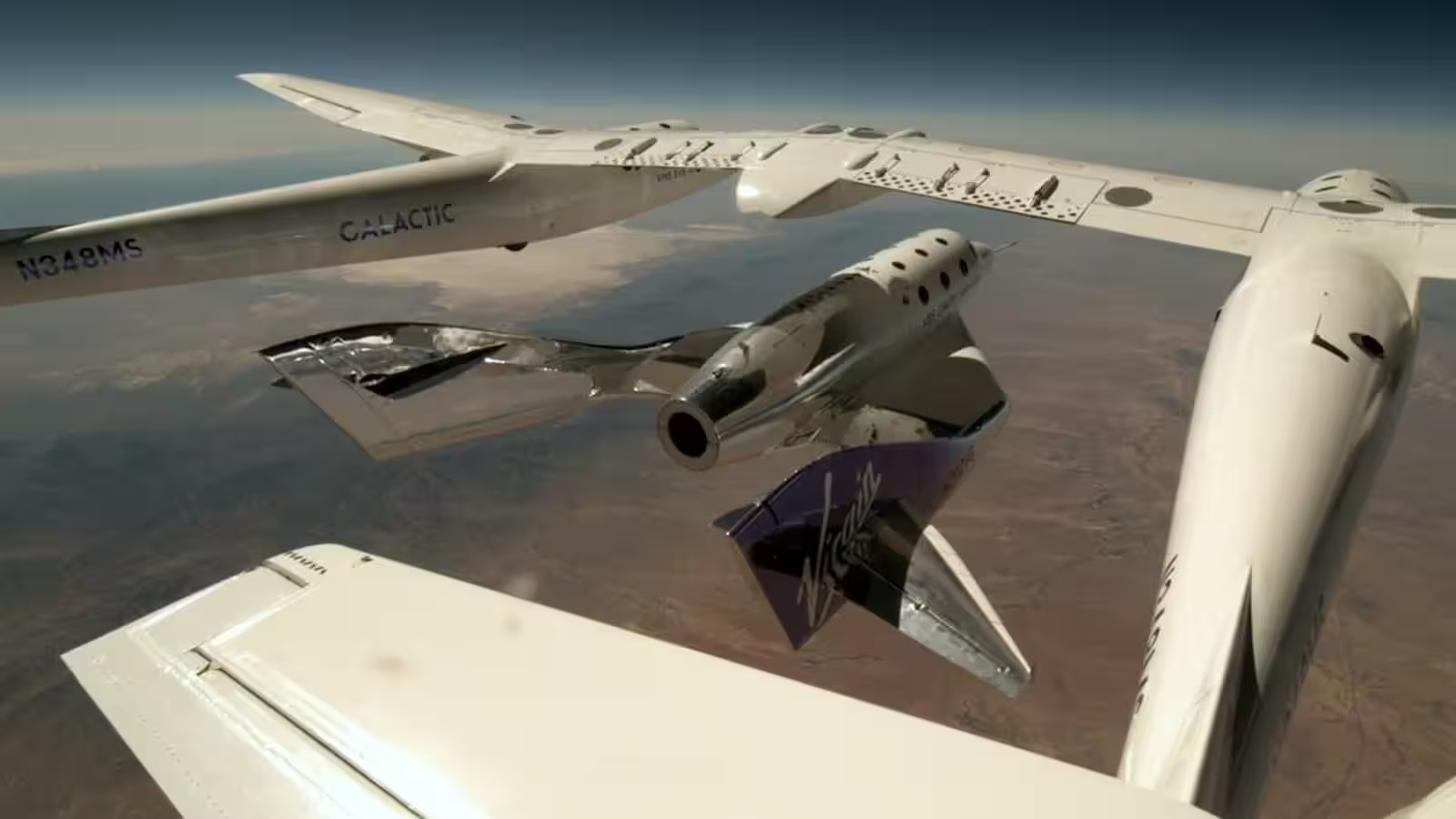
Virgin Galactic has put its VSS Unity spaceplane back in the air after nearly a year on the sidelines, and the move says a lot about where the company is headed: the old vehicle is no longer there to carry tourists, but to help train crews for the next one. Unity completed a glide flight over Spaceport America in New Mexico and landed safely, marking its first flight since June 2024. Virgin Galactic says the first SpaceShip flight tests are expected in the third quarter of 2026.
The shift is practical rather than nostalgic. Virgin Galactic has spent the pause focusing on a new generation of spacecraft under the SpaceShip name, and Unity is now being used as a flying trainer because its handling and energy-management profile is close enough to the incoming design. That gives pilots and ground teams something far more realistic than software alone, which is a fancy way of saying the company would rather rehearse the hard bits in the air than in a conference room.
Unity’s new job is pilot training
In Virgin Galactic’s telling, the spacecraft will now ferry pilots so they can practice actual flight scenarios before the new ship enters testing. Company president Mike Moses said those flights help prepare crews and support teams more efficiently than simulators on their own. That is a sensible use of an aging airframe: keep it useful, keep the team current, and save the expensive learning curve for the new vehicle.
The turnaround also shows how space tourism companies are trying to rebuild credibility after long development cycles. Blue Origin has leaned on repeated New Shepard flights to keep its suborbital business visible, while Virgin Galactic has had to regroup around a cleaner, more manufacturable platform. Unity’s return is less about headline-grabbing spectacle and more about getting the pipeline ready.
Virgin Galactic SpaceShip flight tests start in 2026
Virgin Galactic says it expects the first SpaceShip flight tests in the third quarter of 2026. The plan starts with unpowered glide flights and then moves to rocket-powered testing. If that schedule holds, commercial suborbital flights could begin before the end of the year.
Recommended reading
Starlink V5 dish drops 62% in weight
- First step: glide flights without engine ignition
- Second step: tests with the rocket booster
- Target: commercial flights before the end of 2026
The faster development cycle is the real promise
Chief executive Michael Colglazier has said the new ship should move through testing faster than Unity did. That bar is low enough to trip over, since the earlier spacecraft spent years in development and only reached its first commercial flight in 2021. Still, the comparison matters: Virgin Galactic is trying to prove that the next chapter of space tourism will be less fragile, less slow, and hopefully less dependent on heroic patience from investors and passengers alike.
The open question is whether the company can turn this cleaner playbook into a steady service business before rivals make the suborbital novelty feel old. For now, Unity’s comeback is a bridge, not a comeback tour.

Frontier Editor
Dan is our resident futurist, covering electric mobility, space exploration, and the smart home. He's interested in atoms just as much as bits. Whether it's a new battery chemistry, a reusable rocket, or a protocol that finally makes IoT devices talk to each other, Dan breaks down the engineering that pushes humanity forward.