• 2 min read
This vine-like robot can dress you in 10 seconds
Researchers from KAIST and Stanford unveiled a soft robot that wraps clothing onto the body in about 10 seconds, without requiring the wearer to stand still.
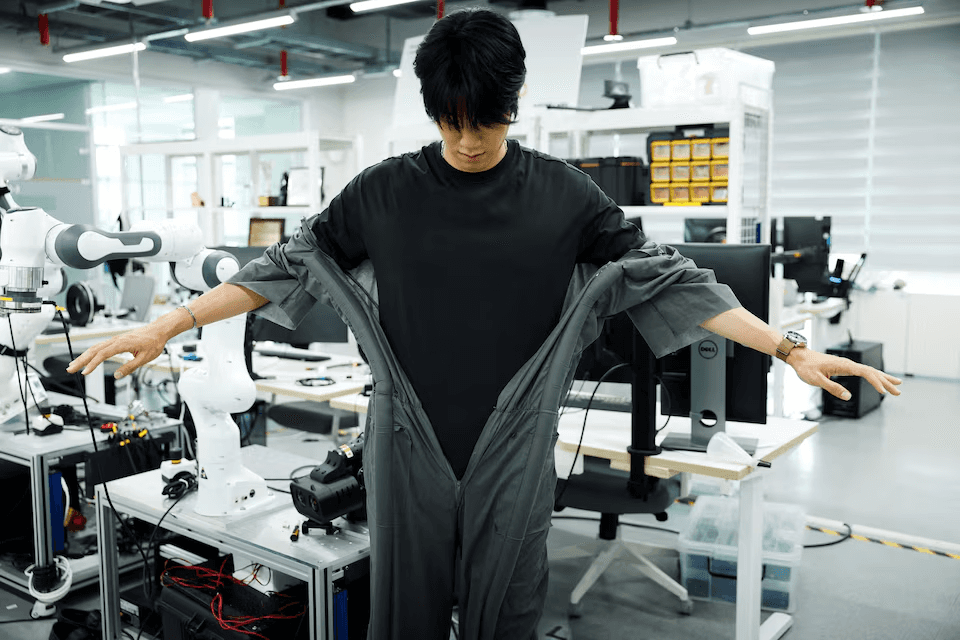
Image: iXBT
A soft robotic system from researchers at KAIST in South Korea and Stanford University can help a person put on a protective suit without using their hands or another person’s help. The team says the technology could be useful in semiconductor clean rooms and for emergency responders who need to get into protective gear quickly.
The system uses soft, flexible “vines” built into clothing and driven by air pressure. When pressurized, those vines pull the fabric onto the wearer’s body, much like ivy climbing a structure, and they can keep working even if the person is moving rather than standing still.
“When I was riding a bicycle, it started raining… and I thought it would be useful if a raincoat could put itself on automatically while moving.”
Kim said the vine robot stays close to the wearer and dresses them by turning the garment inside out as it moves, allowing it to climb stably along the body’s contours. Putting on a full suit takes about 10 seconds, according to the researchers.
A key part of the approach, the team said, is that it does not require the user to remain still and works without a complex control algorithm.

Recommended reading
SpaceX Reveals Florida Starship Pad in First Close-Up
“Inspired by climbing ivy, the robot moves forward. It can pass through narrow gaps, grow while adapting to the shape of its surroundings, and move regardless of whether the surface is slippery, sticky, or inclined.”
Beyond helping older adults and people with disabilities, the team sees room for the system anywhere protective clothing must be put on and removed quickly, hands-free — including semiconductor manufacturing clean rooms and emergency services that rely on personal protective equipment.

Frontier Editor
Dan is our resident futurist, covering electric mobility, space exploration, and the smart home. He's interested in atoms just as much as bits. Whether it's a new battery chemistry, a reusable rocket, or a protocol that finally makes IoT devices talk to each other, Dan breaks down the engineering that pushes humanity forward.
via iXBT