• 2 min read
Starlink puts 30,000 Bangladesh students online
Starlink has connected 167 classrooms across 26 districts in Bangladesh, bringing live online lessons to about 30,000 students in remote areas.
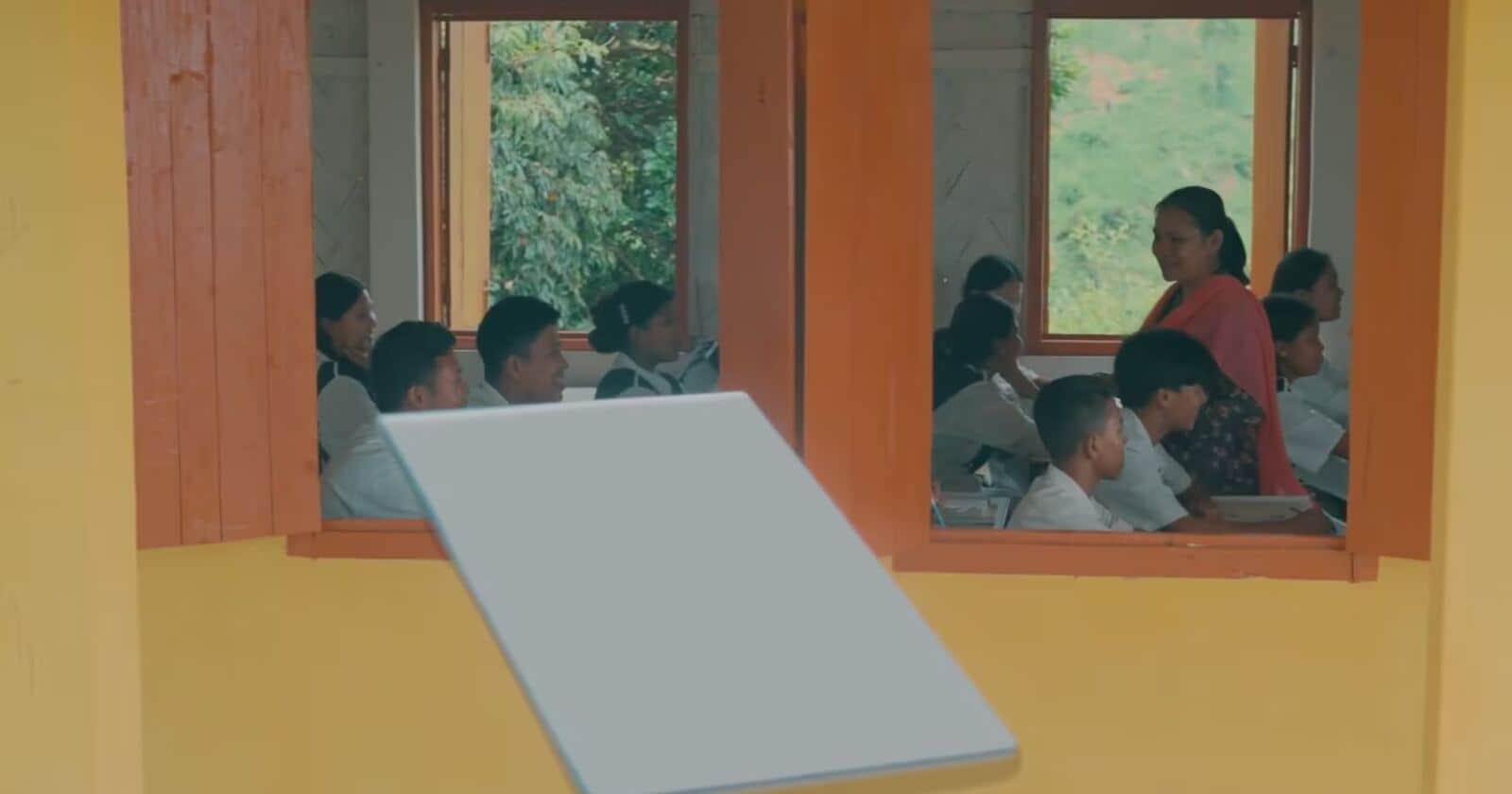
Image: ITzine
Starlink has expanded its education project in Bangladesh, connecting 167 classrooms in 26 districts to its satellite internet service. The rollout gives roughly 30,000 students in remote areas access to online lessons, where reliable conventional connectivity remains difficult.
The project is being carried out with JAAGO Foundation, a charity that already runs a digital schools initiative, under the Digital School Program. The setup is straightforward: if a rural school does not have enough teachers, a lesson can be taught from Dhaka, with students joining live in real time.
That model depends on stable internet, and in many of these locations satellite connectivity can be more practical than building out terrestrial networks, which can be slow, difficult, and expensive to deploy. Starlink has been targeting this kind of use case for some time, positioning the service not just as home internet for consumers but also as connectivity for schools, hospitals, emergency services, and remote businesses.
If fiber has not reached a location — and is unlikely to arrive soon — satellite can provide a working connection without lengthy ground preparation. By Starlink’s own standards, the Bangladesh effort is still notable in scale. By mid-2024, the service had more than 3 million subscribers worldwide, supported by a low-Earth orbit constellation of several thousand satellites.
Competition in this segment is also growing. The source notes that Eutelsat OneWeb and regional operators are also pursuing education and government programs in countries with weak telecom infrastructure.

Recommended reading
SpaceX Reveals Florida Starship Pad in First Close-Up
For Bangladesh, the project is also an attempt to narrow the education gap between urban and rural communities. If the JAAGO Foundation model delivers lasting results, it could expand well beyond the current 167 classrooms. And as Elon Musk recently discussed Starlink’s international expansion following the service launch in Côte d’Ivoire, projects like this also serve as a visible showcase for the company in new markets.

Frontier Editor
Dan is our resident futurist, covering electric mobility, space exploration, and the smart home. He's interested in atoms just as much as bits. Whether it's a new battery chemistry, a reusable rocket, or a protocol that finally makes IoT devices talk to each other, Dan breaks down the engineering that pushes humanity forward.
via ITzine