• 3 min read
India Sets July 18 Debut for Private Vikram-1 Rocket
India plans its first private orbital launch on July 18, with Skyroot Aerospace aiming to place Vikram-1 into a 450 km orbit.
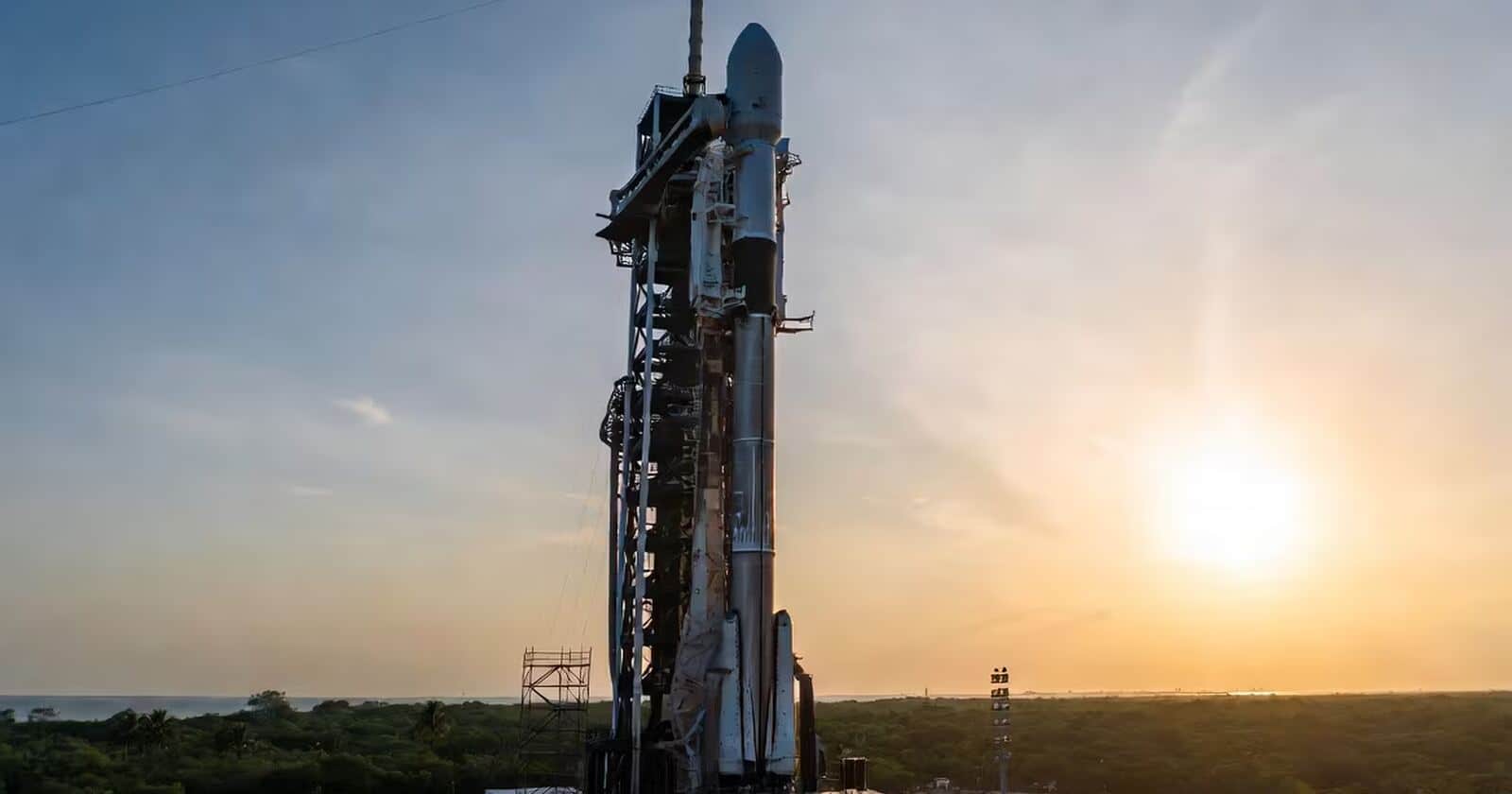
Image: ITzine
India is preparing for its first-ever launch of a private orbital rocket on July 18. Skyroot Aerospace plans to send its Vikram-1 launcher from the Satish Dhawan Space Centre, targeting low Earth orbit in what is both a test flight and a bid to enter a new commercial market.
The company says the mission will aim for an orbit at 450 km with an inclination of 60 degrees. CEO Pawan Kumar Chandana said ground testing is complete, and that the team now needs the one thing test stands cannot provide: real flight data showing how the rocket behaves in space. That data will determine how quickly the project can move from a technology demonstration to routine commercial missions.
COO Naga Bharath Daka said the mission is meant to validate systems the company has been developing for several years. After the launch, engineers will analyze telemetry, refine the vehicle, and prepare future flights.
Recommended reading
Starship launch scrubbed as four engines failed to ignite
Vikram-1 specifications
Vikram-1 is a light-class orbital launch vehicle. Skyroot describes it as a multistage rocket roughly the height of a seven-story building, built with a carbon-fiber composite airframe, in-house engines, and solid-fuel boosters. Parts of its propulsion system were 3D-printed, a choice intended to speed up assembly and simplify upgrades between missions.
Key details from the company include:
- Class: light orbital launch vehicle
- First mission orbit: 450 km
- Orbital inclination: 60 degrees
- Payload to LEO: up to 350 kg
- Airframe material: carbon-fiber composite
- Engine components: partly 3D-printed
The rocket is aimed at small satellites, one of the busiest parts of the launch market. According to Euroconsult, hundreds of small spacecraft are ordered globally each year for communications, Earth observation, and scientific missions.
India’s private launch market push
That makes Skyroot’s strategy straightforward: avoid heavy rockets for now and focus on a segment where launch frequency and schedule flexibility matter most. India already has a strong government-backed launch base. The Indian Space Research Organisation’s PSLV has long flown commercial missions and launched dozens of foreign satellites, but the country has not yet had a private orbital launcher.
Skyroot previously tested its Vikram-S suborbital rocket in 2022. Vikram-1 is a much bigger step: a full orbital attempt in a market where competition is already intense. In light launch, Rocket Lab flies Electron regularly, Firefly is establishing Alpha, and Chinese private launch companies are also increasing their launch cadence.
If Vikram-1 completes even the core parts of its mission profile, India would gain more than a symbolic first. It would also have a better chance of keeping more commercial launch business at home as the country’s space sector opens further to private companies after liberalization. With a 350 kg payload capacity, Vikram-1 is positioned for universities, startups, and small constellation operators — and its first flight will show whether Skyroot can turn a promising demo into a regular launch business.

Frontier Editor
Dan is our resident futurist, covering electric mobility, space exploration, and the smart home. He's interested in atoms just as much as bits. Whether it's a new battery chemistry, a reusable rocket, or a protocol that finally makes IoT devices talk to each other, Dan breaks down the engineering that pushes humanity forward.
via ITzine