• 2 min read
SpaceX says Starlink V3 hits 1 Tbps per satellite
SpaceX has outlined Starlink V3 with up to 1 Tbps downlink per satellite and LTE-class direct-to-cell ambitions for standard phones.
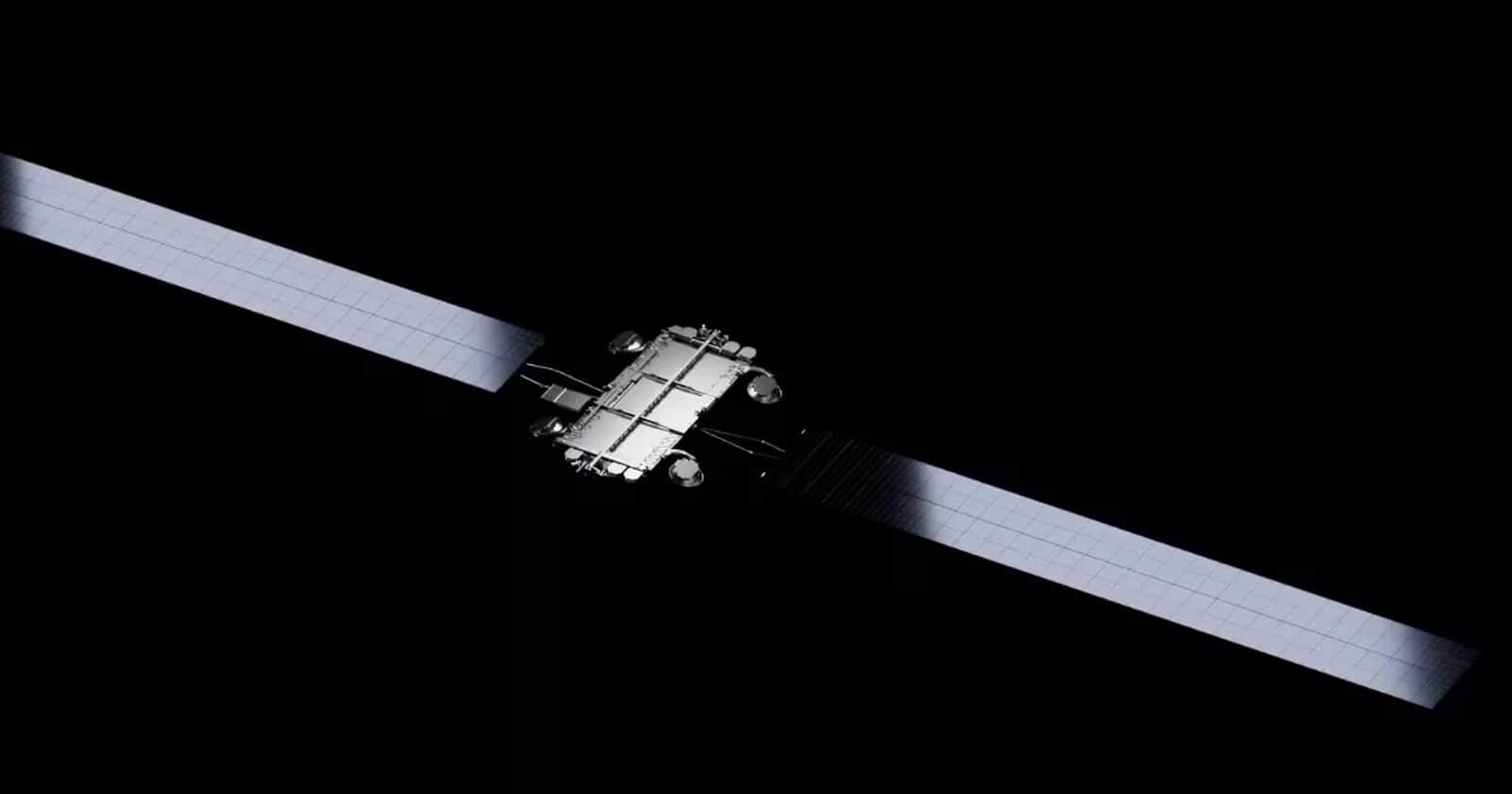
Image: ITzine
SpaceX has revealed the first detailed specs for Starlink V3, and this is far more than a routine refresh. The company says each satellite will deliver up to 1 Tbit/s of downlink capacity, roughly a 10x increase in incoming traffic versus Starlink V2. Uplink capacity is set to rise even more sharply, to 160 Gbit/s per satellite.
According to SpaceX, the jump comes from new phased-array antennas and in-house chips and modems that can process about 64 times more traffic per die. The company is also dramatically increasing the number of communication beams: Starlink V3 will support 2048 beams for sending and receiving data, up from 192 and 144 on Starlink V2. That should allow more flexible capacity allocation and help in congested areas where satellite internet tends to slow down first.
Key published specs for Starlink V3 include:
- Downlink capacity: up to 1 Tbit/s
- User uplink: up to 160 Gbit/s
- Communication beams: 2048
- Inter-satellite laser links: 6 at 400 Gbit/s each
- Ground station link: up to 1.2 Tbit/s
- Solar panel power: about 2x higher
Each satellite will carry six laser links running at 400 Gbit/s apiece, improving traffic routing between satellites and reducing reliance on ground stations. That matters most over oceans, polar regions, and areas where terrestrial infrastructure is still limited. SpaceX also says four multiband radio-frequency antennas will push capacity to ground stations up by more than eight times, reaching 1.2 Tbit/s.
Recommended reading
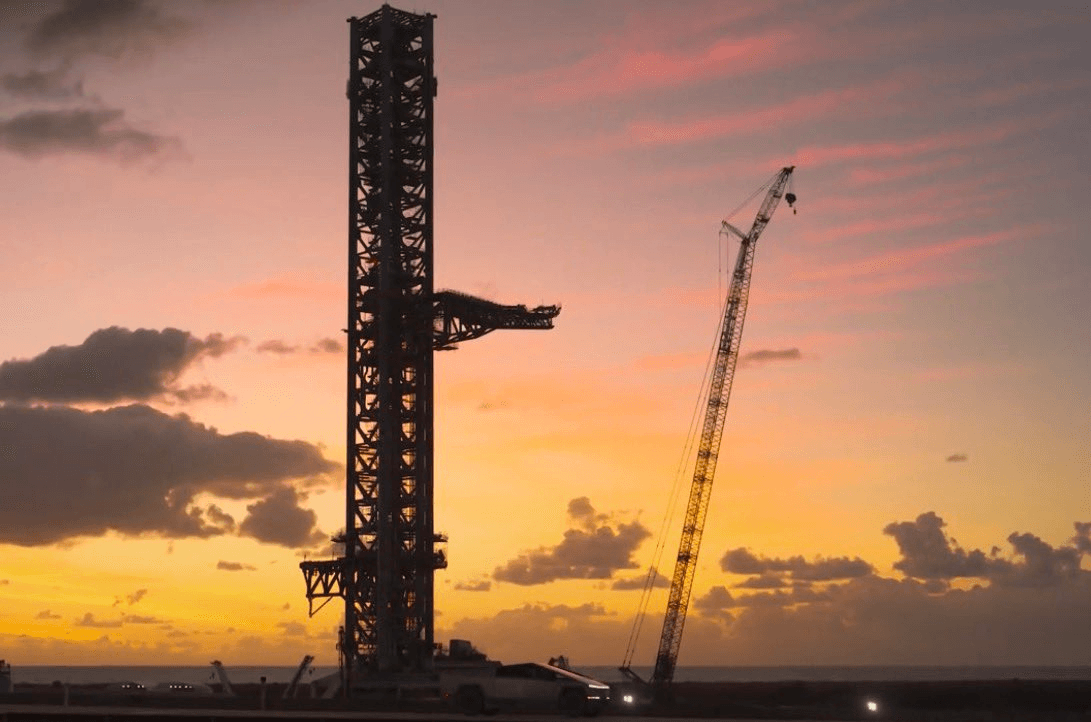
SpaceX Reveals Florida Starship Pad in First Close-Up
Starship and direct-to-cell plans
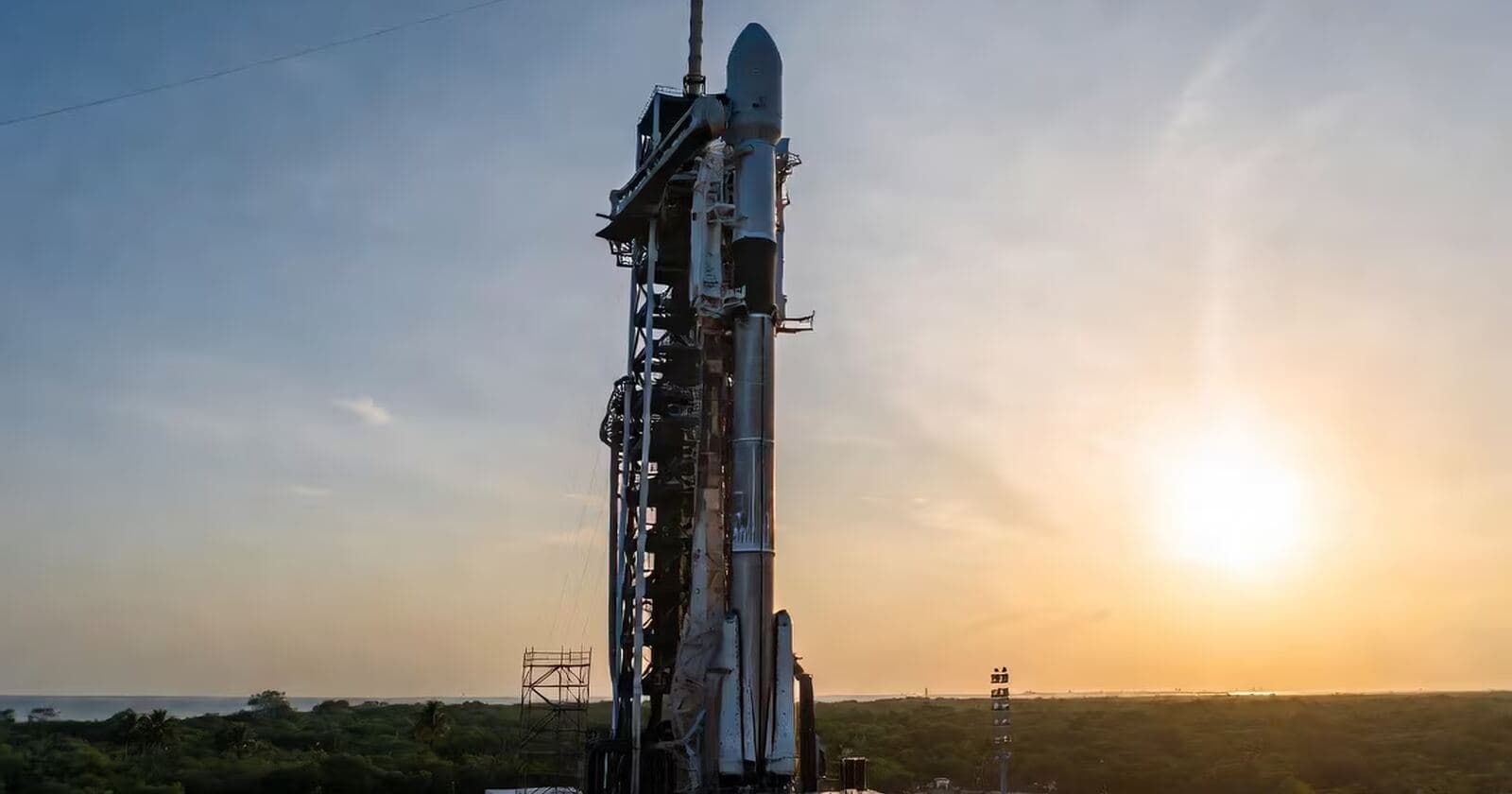
SpaceX is tying Starlink V3 closely to Starship. The company says a single Starship launch carrying Starlink V3 satellites would add about 20 times more total network capacity than a Falcon 9 launch carrying Starlink V2 satellites. The reason is straightforward: V3 is significantly larger and needs more power, making a heavy-lift rocket central to deploying the constellation at scale.
The upgrade is also meant to push Starlink beyond home broadband. SpaceX has already been testing direct-to-cell service and says Starlink V3 will form the foundation for Starlink Mobile Gen 2, promising LTE-level speeds for ordinary smartphones with no hardware modifications.
That puts SpaceX into more direct competition with AST SpaceMobile, which is building a satellite cellular network using large deployable antennas, while Apple and Globalstar have focused on emergency satellite connectivity for the iPhone.
Starlink has grown into the largest satellite constellation in orbit in just a few years, serving millions of subscribers worldwide by 2025. The next bottleneck is no longer the spec sheet, but the pace of Starship launches that will determine how quickly 1 Tbit/s per satellite becomes real network capacity.

Frontier Editor
Dan is our resident futurist, covering electric mobility, space exploration, and the smart home. He's interested in atoms just as much as bits. Whether it's a new battery chemistry, a reusable rocket, or a protocol that finally makes IoT devices talk to each other, Dan breaks down the engineering that pushes humanity forward.
via ITzine