• 3 min read
Vertical video now runs the internet
TikTok made vertical video the internet’s default, pushing social networks and streaming services toward algorithmic feeds, ads and endless scrolling.

Image: The Verge
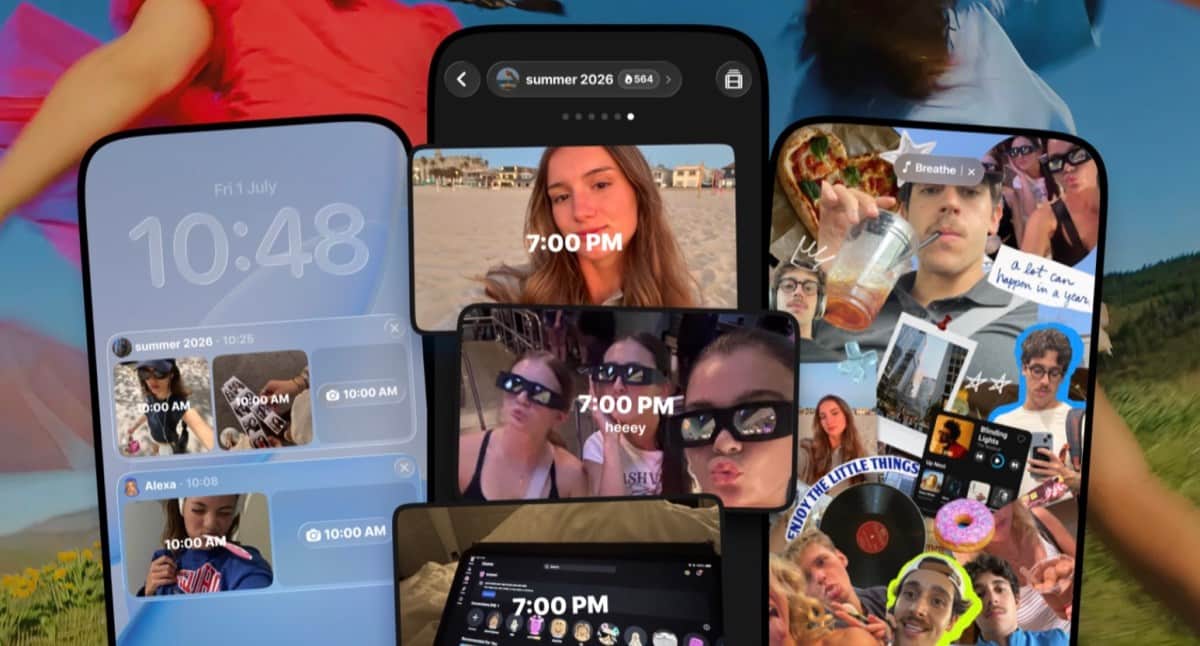
Vertical video has moved from a smartphone quirk to the default format for internet entertainment. TikTok, Instagram, YouTube, Facebook and increasingly streaming services now build around full-screen feeds that start playing as soon as users open an app.
How TikTok made vertical video the default
The shift began with the smartphone. Selfies naturally suited tall screens, while platforms gradually accepted that users preferred holding phones upright—even if critics argued that vertical video looked poor on widescreen displays.
Snapchat recognized the opportunity early. It launched Stories in late 2013, and the feature became Snapchat’s most popular by the middle of 2014. Instagram copied it in August 2016. Then Stories spread to LinkedIn, Tinder, Medium and other services. As cameras and upload speeds improved, video became the dominant medium because it supported endless scrolling and full-screen advertising.
TikTok, which launched in the US in 2018 after gaining popularity as Douyin in China and Musical.ly elsewhere, pushed the format much further. It combined Stories' vertical presentation with YouTube’s permanence, then lowered the effort required to make videos through trends, music, effects, filters, stitching and duets.

Recommended reading
EU accuses TikTok of weak protection for minors
Its algorithmic For You page also changed the creator economy. Users no longer needed to curate a profile, manage a follower base or worry about posting too frequently; they could publish and let the recommendation system distribute the work. Reels arrived in 2020 on Instagram and Facebook, while YouTube launched Shorts a year later. Twitter launched and killed Fleets by the end of 2021.
Platforms converge on the feed
Short-form vertical video now dominates attention and advertising. Meta said in 2024 that Instagram users spent more than half their time in Reels, and said in 2025 that the feature had become a $50 billion annual business across its apps. Pew Research Center found that about 63 percent of young adults and teens use TikTok, with one in five teens reporting that they use it “almost constantly.” YouTube reported 200 billion daily views of Shorts at the end of 2025, adding that Shorts earned more money per watch hour than standard YouTube videos.
The major platforms have copied one another’s features, from music and duets to shopping, livestreaming, longer videos, TV apps and tools that let users influence their recommendations. In 2024, Meta switched its default video player to a vertical-first layout across all platforms—a sign that the format’s race for dominance was effectively over.
Streaming companies are following. Spotify built a vertical video feed, while Disney created TikTok-style feeds called Verts for ESPN and Disney Plus. Netflix, Prime Video and Paramount Plus introduced similar products called Clips. The incentives are straightforward: scrolling feeds capture time, and advertisers already know how to produce creative for them.
Why streaming is becoming more like TikTok
Advertising is reinforcing the shift. YouTube’s Brian Albert said clients mainly need to provide assets such as six-second, 15-second, long-format and vertical ads; AI can then help determine the audience, placement and ad shown. That combination makes vertical video easier for more companies to adopt.
Facebook is testing an app version that opens directly to a full-screen video feed. If deployed, the traditional social network could be reduced to a Reels-first experience. Streaming services are also turning to advertising after years of price increases, and a HubSpot report found short-form video was both the most-used and most successful marketing format in 2025, while also attracting the largest planned investment.
There are signs of resistance. Some users want friends and family back at the center of social media, while some young people are spending less time on phones and seeking alternatives. Movie theaters are having a big year, and one of the year’s most exciting new phones is a flip phone. Still, stopping vertical video would require a broader cultural shift—one that may already be starting.
Culture Editor
Maya explores gaming, streaming, and the internet as a place where people actually live. From deep-dives into creator economies to the anthropology of digital communities, she tracks platform drama and cultural shifts so you don't have to. She believes the best tech stories are fundamentally about human behavior.
via The Verge