• 3 min read
Yope raises $12.3M for private social networking
Yope raises $12.3M for a private social network with no ads or algorithmic feed, reaching nearly 15 million registered users.
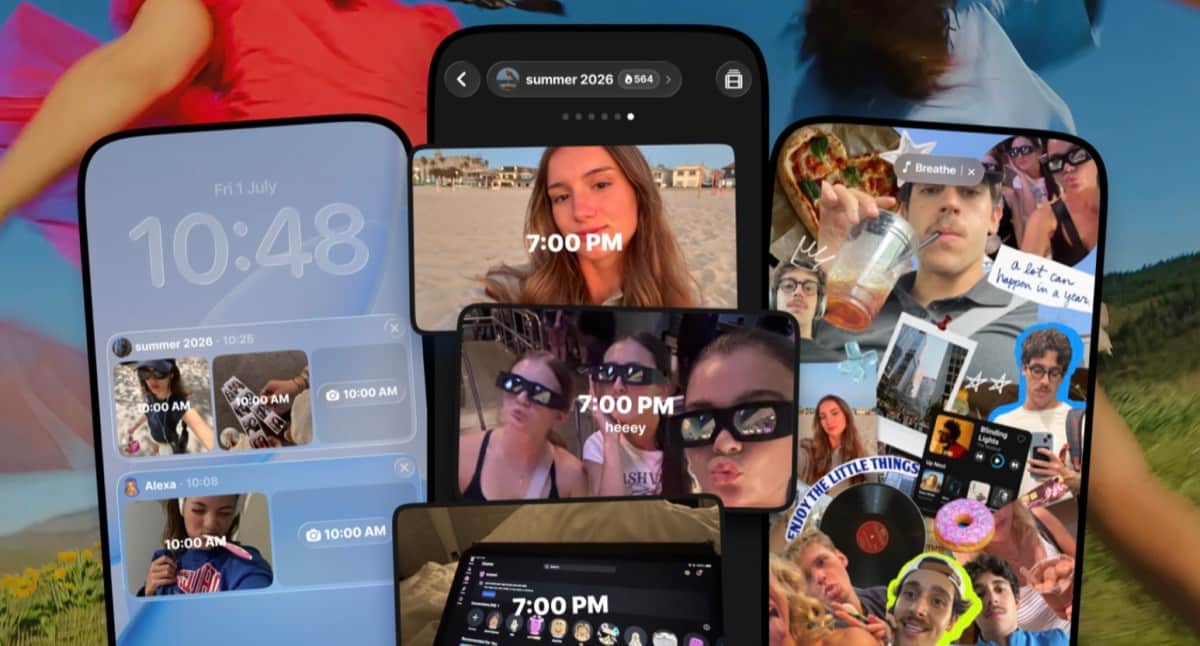
Image: Yope (opens in a new window)
Yope is betting that social networking can grow without public posts, algorithmic feeds, or advertising. The startup has raised a $12.3 million seed round, led by Northzone, to build a private platform organized around what it calls “micro communities” — small groups of friends and family who share photos, videos, messages and, soon, games.
The app targets users of major platforms including Facebook, TikTok, Snapchat and Instagram, but takes a different approach. Accounts are private by default, there is no algorithmic feed, and Yope does not sell advertising. Instead, the company plans to develop a premium, subscription-based experience for power users.
Yope’s private social network
Bahram Ismailau, Yope’s London-based co-founder and CEO, said the team identified the opportunity after conducting more than 100,000 interviews, aided by AI tools, to study how young people around the world use social networks.
The research found that roughly 30% use photo-dump or “spam” accounts to share candid images with a smaller group of real-life friends. Many others avoid public posting altogether and use messaging to stay connected.
“Young people don’t have any place to self-express if they are not ready to be an influencer.”
Yope describes itself as an “AI-native social platform,” but Ismailau said the company is not using AI to generate content. Instead, it plans to use the technology to support interactions, including automatically created mini-games that friends can play together. That feature is expected to launch in about a month.

Recommended reading
Meta avoids its next social media addiction trial
The company also wants AI to help users make plans offline, such as buying event tickets or finding a restaurant or bar where friends can watch a football game.
A customizable wall for friends and family
Users build their profiles by sharing photos, which can be converted into cut-out stickers. Rather than placing images in conventional albums, Yope arranges them in a collage-like “wall.” The company plans to let users add interests, favorite music and mini-games, while customizing their spaces with colors and wallpapers.
The design recalls MySpace, where users personalized their pages as an expression of identity. Yope also includes familiar social features such as in-app messaging, recaps of top moments and lock-screen widgets showing friends' photos.
During onboarding, the app guides users through granting access to their photos and contacts, then encourages them to invite friends and begin private chats.
Yope says the approach is gaining traction. The app now has nearly 15 million registered users, who collectively share between 10 million and 20 million photos, videos and stickers each day. More than 50% of users open the app at least five days per week, according to Ismailau.
The network is also extending beyond younger users: about 20% of active users have invited an older family member to join.
Funding and availability
Northzone approached Yope about investing, Ismailau said. The firm, which has backed consumer companies including Spotify and Klarna, led the round alongside Inovo, Redseed and Geek Ventures. The financing brings Yope’s total funding to $20 million.
The company is the result of two earlier pivots, and its current product has been in development for roughly two years. Yope plans to use the new capital to expand the product, grow its team of about 35 people and establish a US office.
“Yope is a fresh, empowering and safe take on social media where the users are in full control of their experience in contrast to the predatory practices of Meta, TikTok or X.”
Yope is available as a free download on iOS and Android.

Culture Editor
Maya explores gaming, streaming, and the internet as a place where people actually live. From deep-dives into creator economies to the anthropology of digital communities, she tracks platform drama and cultural shifts so you don't have to. She believes the best tech stories are fundamentally about human behavior.
via TechCrunch