• 2 min read
UK AI data centers face water priority warning
UK water companies say AI data center growth plans ignore water demand as England faces a projected 5 billion-litre shortfall by 2055.
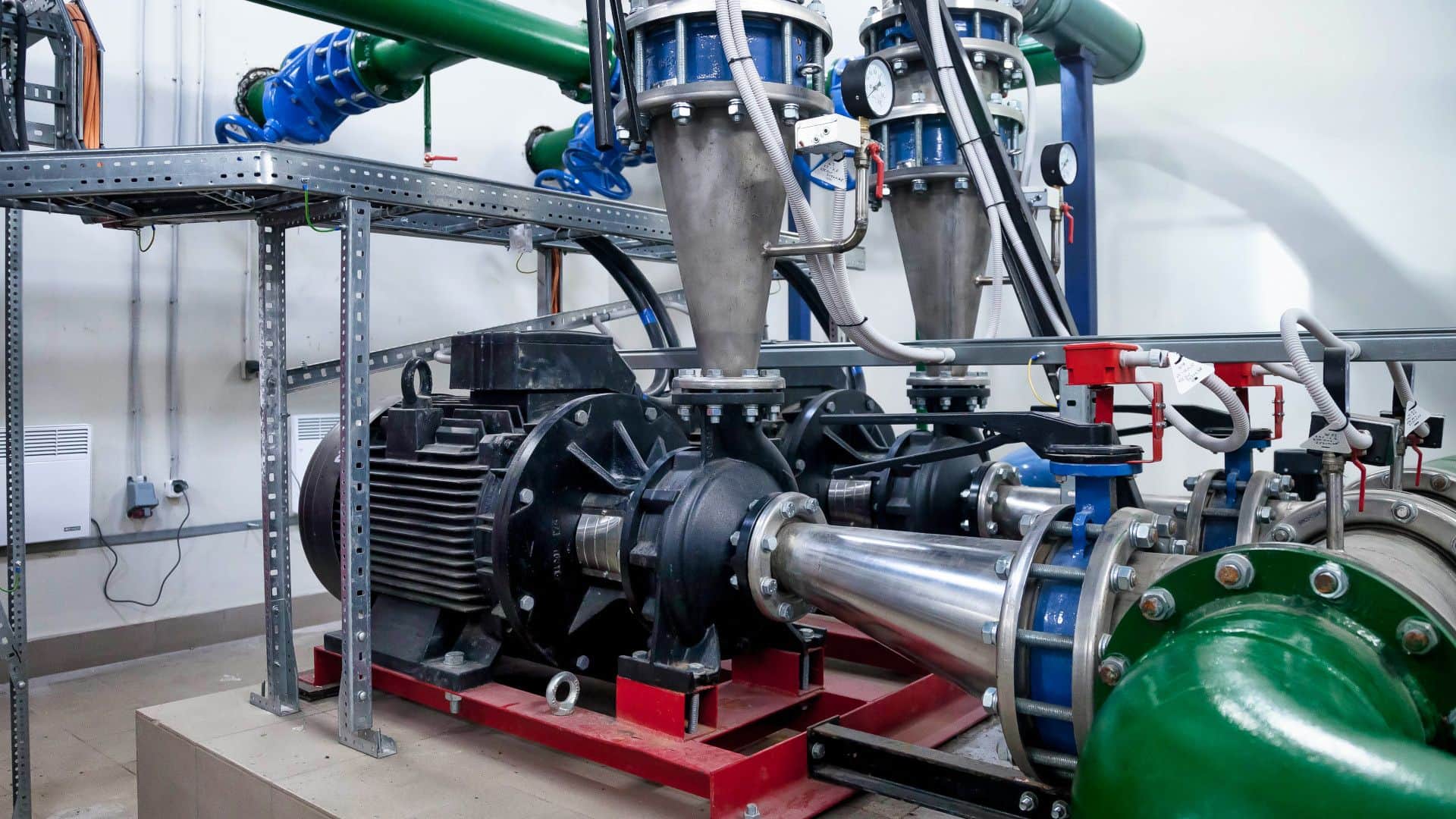
Image: TechRadar
The UK’s water companies have warned that government plans for AI growth zones are “fatally flawed” because they fail to account for the water consumed by data centers.
Water UK, the trade body representing the country’s water companies, said official projections “explicitly exclude” data centers. Its briefing to MPs also said government policy makes “not a single mention of water” in connection with AI growth zones, the AI for science strategy, or the AI opportunities action plan.
“There appears to be an assumption that the country will always have enough water for its economic needs. Nothing could be further from the truth.”
Data centers and the UK’s water shortfall
A May 2026 House of Lords report predicted that England could face a 5 billion litre deficit in public water supplies by 2055 if no action is taken. Up to 60% of that shortfall could be addressed through demand management and leakage reduction, the report said.
It also called for water companies to become statutory consultees on major planning decisions, including housing developments, data centers, and energy infrastructure projects.
The warning comes as data center construction expands across the UK. New facilities can now seek “national importance” status, allowing them to bypass some local building regulations and receive accelerated approval through Whitehall.
Recommended reading
AI is forcing data centers to rethink resilience
During the latest heatwave, hosepipe bans were introduced in southern and eastern England to reduce non-essential water use. Yet Affinity Water said some of the planned 125 data center projects in Slough had requested as much as 3 million litres of water per day.
Current Environment Agency regulations require water supplied to data centers to be drinking water. The government has also designated data centers as critical infrastructure, arguing that their loss could have a “major detrimental impact” on essential services and a “significant impact” on national security, national defence, or the functioning of the state.
That status could leave water companies with limited power to restrict data center consumption during heatwaves. In practice, hosepipe bans and similar restrictions may apply to households while critical facilities continue receiving supplies.

Enterprise Editor
Marcus follows the money. He covers enterprise software, cloud architecture, and the tectonic shifts in Big Tech strategy. He translates dense earnings calls and complex M&A activity into actionable insights about where the industry is actually heading. If a tech giant makes a silent pivot, Marcus is usually the first to notice.
via TechRadar