• 2 min read
Tatneft station blocks Element chip plant expansion
A Tatneft gas station is blocking Element’s planned semiconductor plant expansion in Yoshkar-Ola. The company can still appeal the ruling.

Image: ITzine
Image source: DALL-E 3
A Tatneft gas station is blocking Element Group’s plans to expand its semiconductor-device plant in Yoshkar-Ola, according to court materials. Element failed to persuade the Arbitration Court of the Republic of Mari El to clear the site, where the station’s control building is located.
The court rejected the company’s demand to classify the structure as unauthorized and order its removal. Element can still appeal, leaving the dispute over the land next to the plant unresolved.
Expansion plans for ceramic semiconductor packages
The case affects more than the boundaries of a single plot. Element had previously described plans for a new building to manufacture metal-ceramic packages—components used to protect and mount complex electronic devices. Though rarely visible to end users, these packages are essential to assembling many industrial and telecommunications systems.
Recommended reading
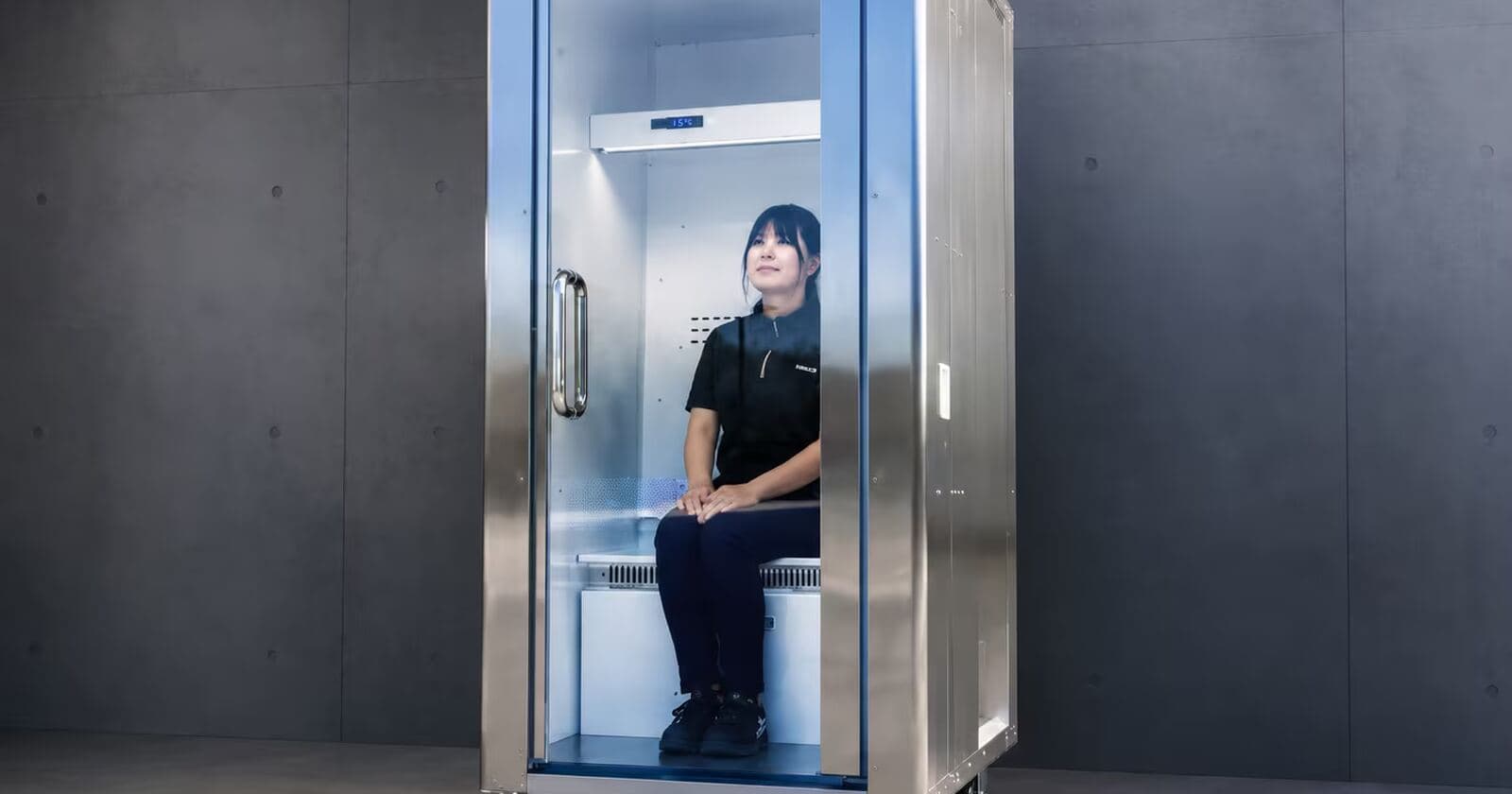
Japan’s $9,230 cooling cabin chills workers in five minutes
In 2024, the expansion of the plant site was estimated at approximately 10 billion rubles, with planned production growth to tens of millions of products per year. Such capacity is strategically significant for Russia’s microelectronics sector, where import substitution and supply restrictions are increasing demand for locally produced components.
A dispute over access to the site
Element brings together businesses focused on electronic components and is considered one of the notable players in Russia’s microelectronics market. Domestic manufacturing is a government priority for consumer electronics, industry, communications, transport, and defense procurement. The same applies to chip packaging: metal-ceramic packages can determine how a component performs in demanding environments.
For Tatneft, the court materials suggest the issue is preserving an operating facility. For Element, it is access to land intended for the expansion. If the company appeals, the proceedings could continue for several more months.

Enterprise Editor
Marcus follows the money. He covers enterprise software, cloud architecture, and the tectonic shifts in Big Tech strategy. He translates dense earnings calls and complex M&A activity into actionable insights about where the industry is actually heading. If a tech giant makes a silent pivot, Marcus is usually the first to notice.
via ITzine