• 2 min read
Simpler process cuts defects in oilfield ceramics
UNIICM proposes a simpler way to make silicon-carbide ceramics, enabling earlier machining, fewer defects and more complex oilfield components.
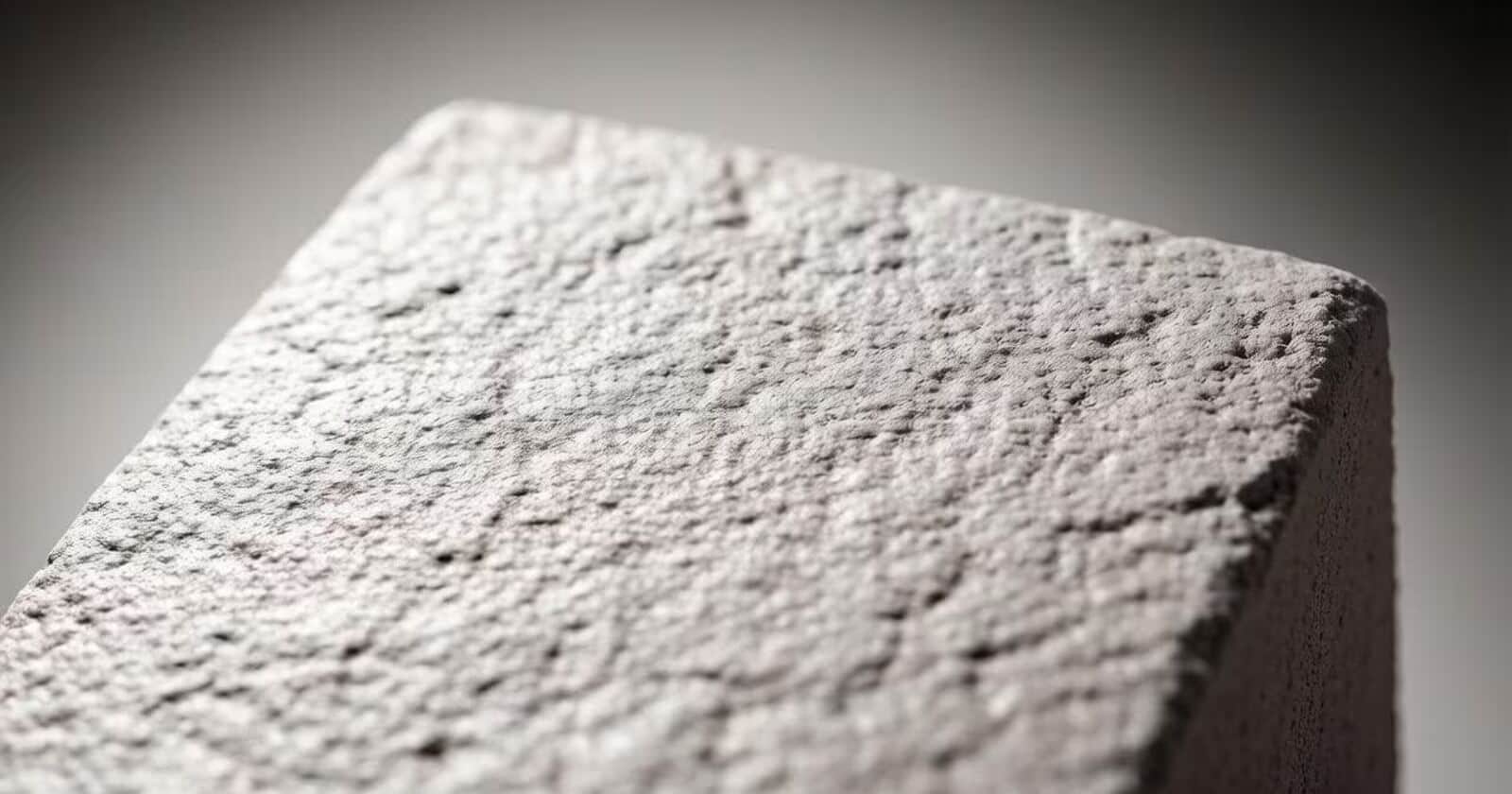
Image: ITzine
Image source: GigaChat
The Ural Scientific Research Institute of Composite Materials (UNIICM) has proposed a new method for manufacturing ultra-strong silicon-carbide ceramics for oil production and refining. Components used in these sectors must withstand high temperatures, pressure and corrosive environments that quickly damage conventional materials.
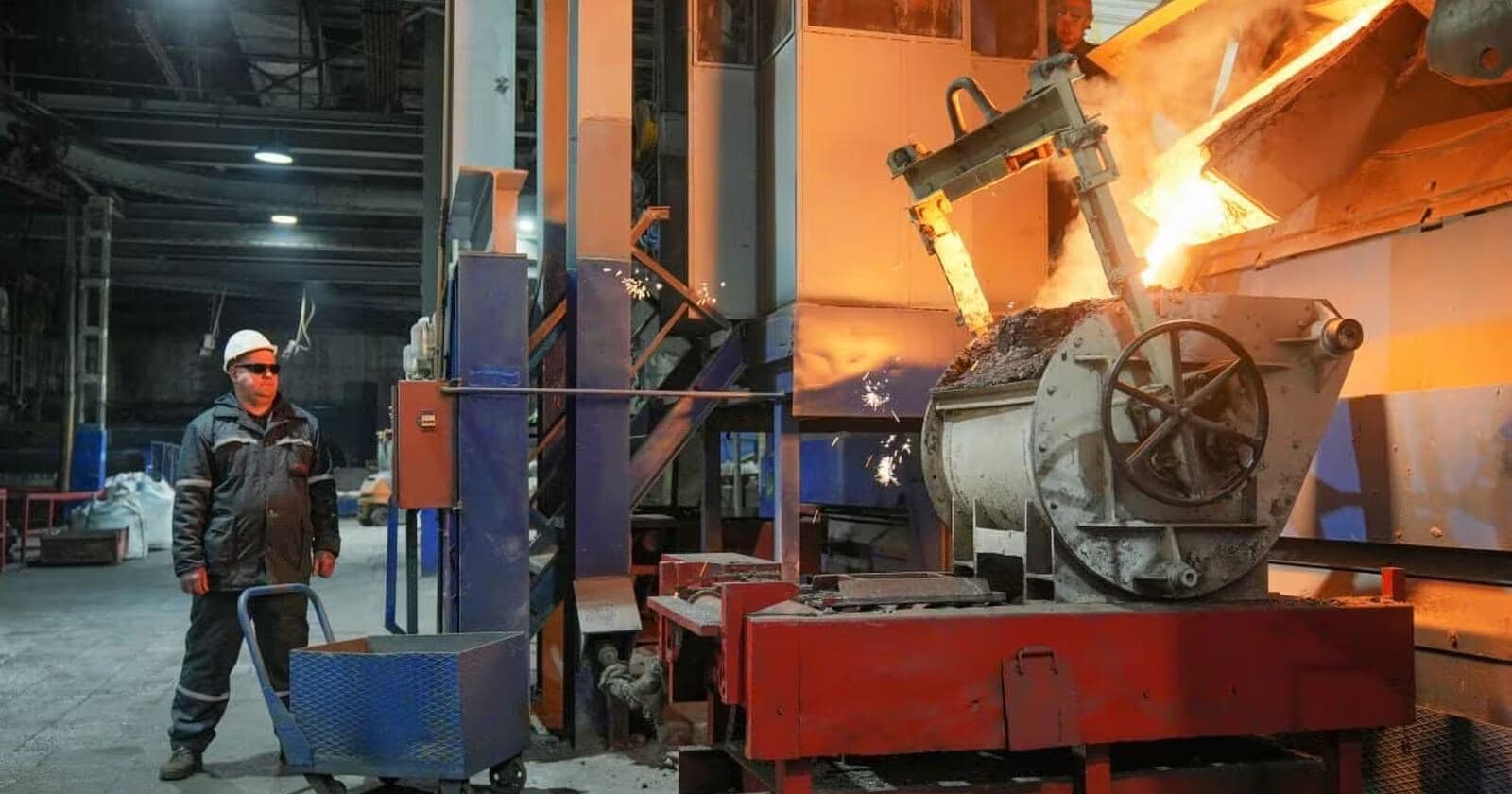
The process is simpler than established production methods. A blank is first formed from a mixture, then fired and infiltrated with a melt at approximately 1,800°C. The key change is that machining can be carried out before final sintering, rather than afterward. This reduces the risk of defects and makes complex-shaped parts more practical to manufacture.
For the oil industry, the approach could improve equipment used in especially demanding conditions. Ceramics compete in these applications with metal-ceramic alloys and other composites, while demand for wear-resistant materials is increasing as extraction and refining become more complex. Abrasion and corrosion remain major factors limiting equipment service life.

Recommended reading
Telematics Reaches 95% of Rosagroleasing’s Fleet
UNIICM says the technology can also be adapted for composites containing titanium, zirconium or hafnium carbides and borides. That would extend its potential applications beyond the oil sector, although its first practical value is likely to come in operations where equipment downtime is particularly expensive.
Sergey Kuznetsov is editor-in-chief of itzine.ru and a technical journalist with 15 years of experience. He specializes in in-depth testing of audio equipment, photographic equipment and consumer electronics. He has written more than 5,000 articles covering topics ranging from gaming chairs and networking equipment to smartphone and wearable-device market analysis. At the publication, he oversees expert sections and shapes editorial policy. Twitter YouTube

Enterprise Editor
Marcus follows the money. He covers enterprise software, cloud architecture, and the tectonic shifts in Big Tech strategy. He translates dense earnings calls and complex M&A activity into actionable insights about where the industry is actually heading. If a tech giant makes a silent pivot, Marcus is usually the first to notice.
via ITzine