• 3 min read
Tesla Hardware 3 owners face upgrades for unsupervised FSD
Tesla has finally said the quiet part out loud: millions of owners who bought cars with “Hardware 3” will need new computers and cameras if they want a future version of Full Self-Driving that can operate without human s
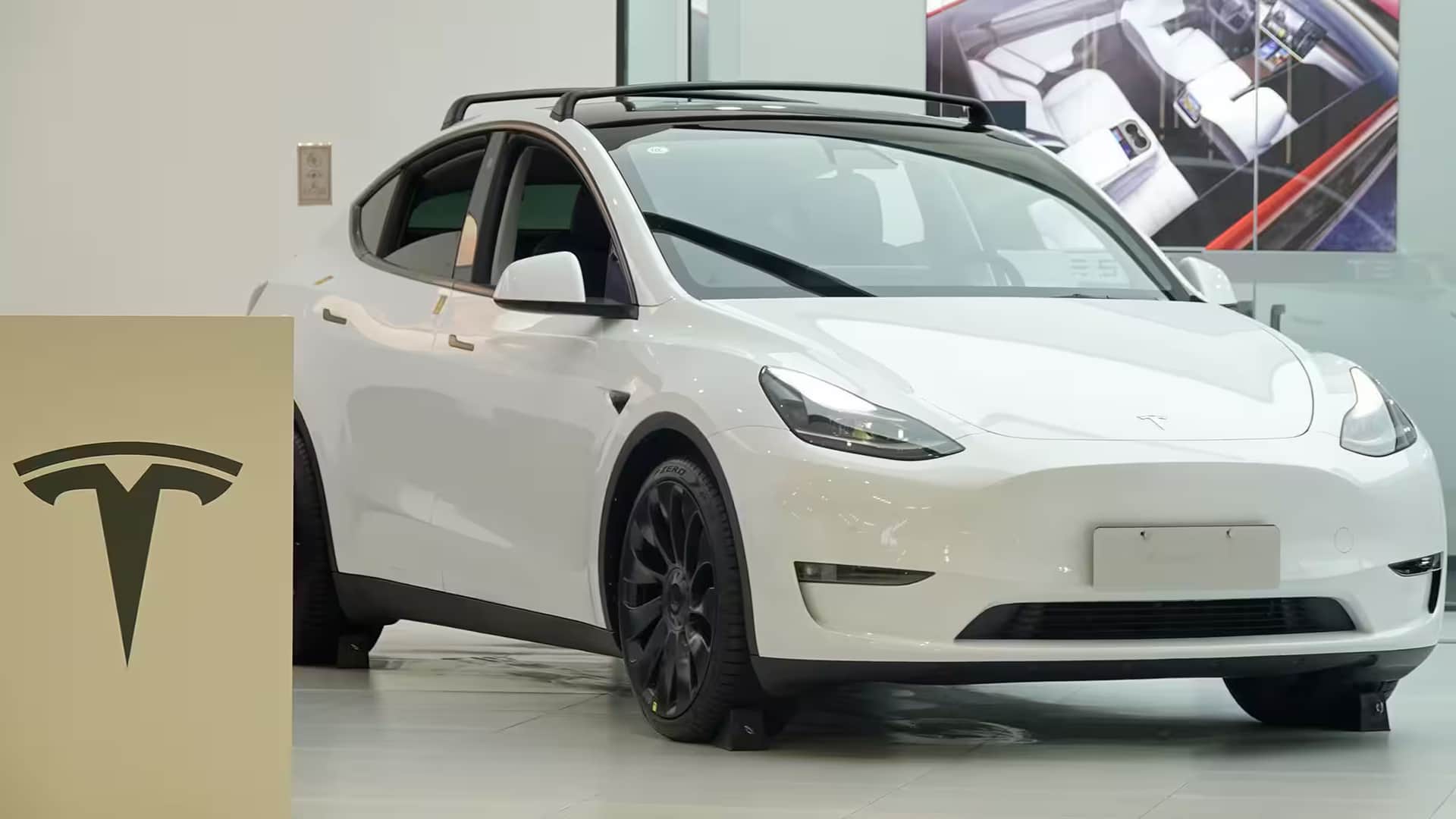
Tesla has finally said the quiet part out loud: millions of owners who bought cars with “Hardware 3” will need new computers and cameras if they want a future version of Full Self-Driving that can operate without human supervision. That is a sharp turn after years of marketing that suggested a software update might be enough, and it raises the odds of customer complaints, warranty fights, and maybe worse.
Elon Musk made the admission on Tesla’s quarterly earnings call, saying the company is now looking at building “micro-factories” in major cities so service centers are not buried under the work. In other words: this is not a quick swap, and Tesla knows it. The company has spent years stretching the promise of autonomy farther than the hardware could apparently handle.
What Tesla says Hardware 3 can still do
Tesla is still planning to deliver slightly more advanced versions of its current Full Self-Driving software to Hardware 3 owners. But Musk drew a hard line around the next step, saying that unsupervised FSD is off the table without upgraded hardware. That distinction matters because Tesla has not yet released, much less proven, the fully driverless system it has been selling as a vision for years.
- Cars affected: Tesla vehicles with Hardware 3
- Sales window: 2019 to 2023
- Needed for unsupervised FSD: a new computer and new cameras
- Tesla’s workaround: service-center swaps and possible micro-factories
A reversal after years of mixed signals
The company’s messaging has been all over the place. Musk said in January 2025 that Tesla would have to upgrade Hardware 3 computers for customers who bought Full Self-Driving, while the chief financial officer said six months earlier that Tesla had not “completely given up” on the older hardware. That kind of public wobble is exactly what turns a technical limitation into a legal headache.
And Tesla is not exactly swimming in goodwill on autonomy promises. Legacy promises around self-driving have been a sore point for years across the EV industry, but Tesla is the one that tied a big part of its brand value to the idea that the car you bought today could become the robotaxi of tomorrow. If that now requires a hardware retrofit, owners will want to know who pays and how much downtime they should expect.
Recommended reading
EV batteries last longer as US sales slide
Why the Hardware 3 upgrade bill could get messy
Musk said doing the work only through service centers would be “extremely slow” and inefficient, which is a polite way of saying Tesla’s existing support network is not built for a wave of hardware replacements. Building temporary production-style lines in metro areas may help, but it also sounds like a logistics problem Tesla helped create by promising too much, too early.
For Tesla, the best-case scenario is that many owners shrug and take the upgrade. The more likely one is a long tail of customer frustration from people who thought they were buying a car that was one update away from true autonomy. That gap between promise and hardware is where Tesla has been heading for a while, and now it has finally hit the curb.
Frontier Editor
Dan is our resident futurist, covering electric mobility, space exploration, and the smart home. He's interested in atoms just as much as bits. Whether it's a new battery chemistry, a reusable rocket, or a protocol that finally makes IoT devices talk to each other, Dan breaks down the engineering that pushes humanity forward.