• 2 min read
Super Heavy Booster B20 is being cryotested at Starbase
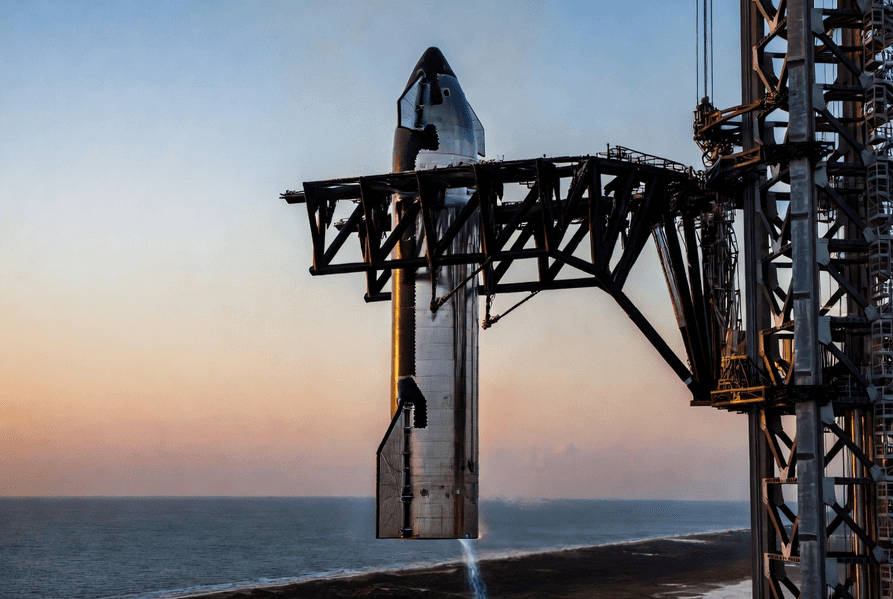
SpaceX has put its 70-meter Super Heavy Booster B20 through cryogenic testing at Massey’s test site in Starbase, Texas. The latest aerial photos make one thing obvious: this is not a prop test article, but a skyscraper-s
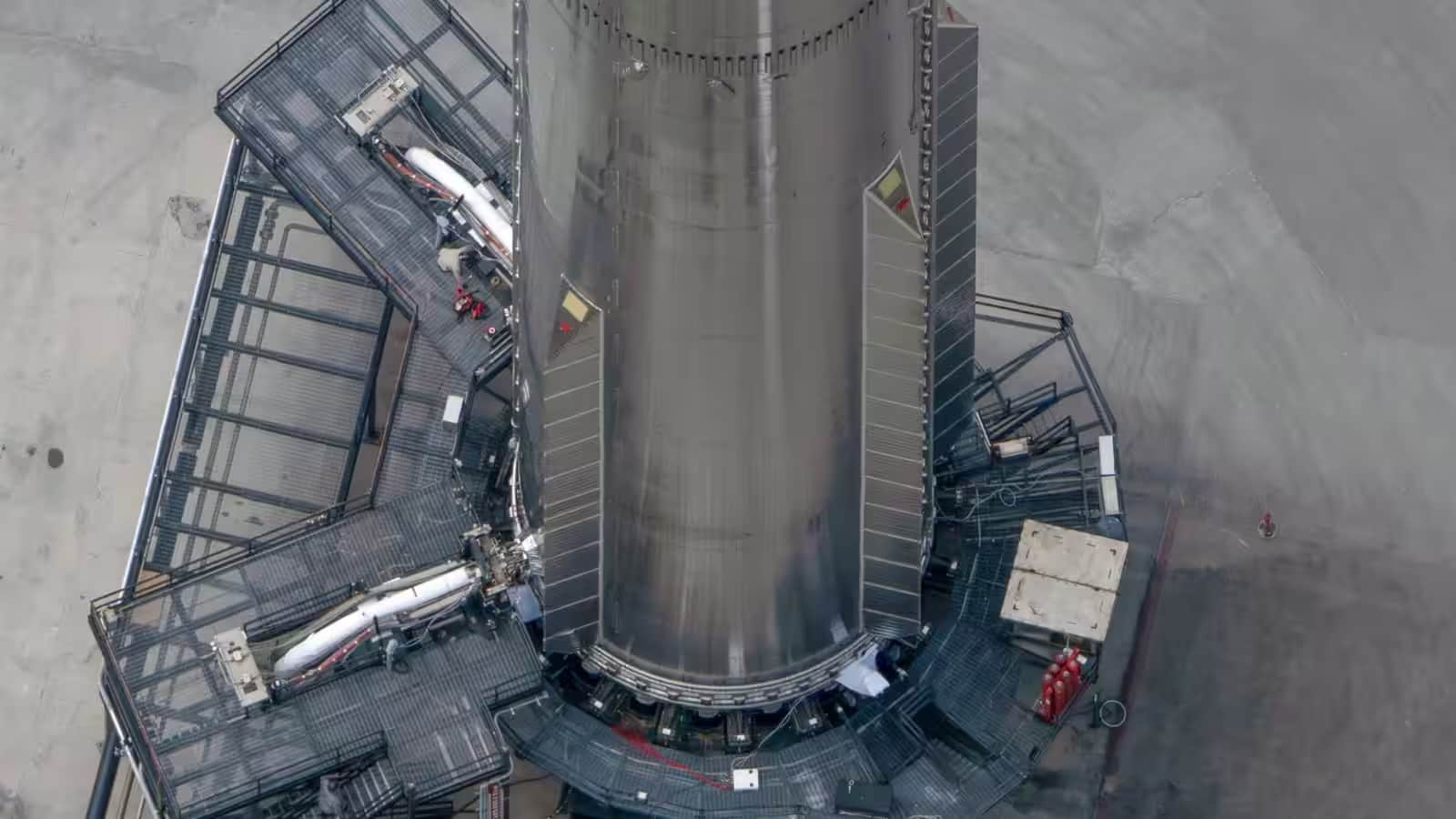
Image: ixbt.com
SpaceX has put its 70-meter Super Heavy Booster B20 through cryogenic testing at Massey’s test site in Starbase, Texas. The latest aerial photos make one thing obvious: this is not a prop test article, but a skyscraper-sized pressure vessel waiting for engines. The stainless-steel booster is being chilled with liquid nitrogen and oxygen to see whether its tanks can survive the brutal temperature and pressure swings that come before flight.
The timing matters because Booster B20 is part of SpaceX’s runway toward the 13th Starship test flight. If the cryotests pass, the next steps are clear: install Raptor 3 engines and move on to static fire tests. That sequence has become the gatekeeper for Starship hardware, and it is also the point where optimism either turns into a launch campaign or gets quietly dragged back to the workshop.
Booster B20 and the Starship test flow
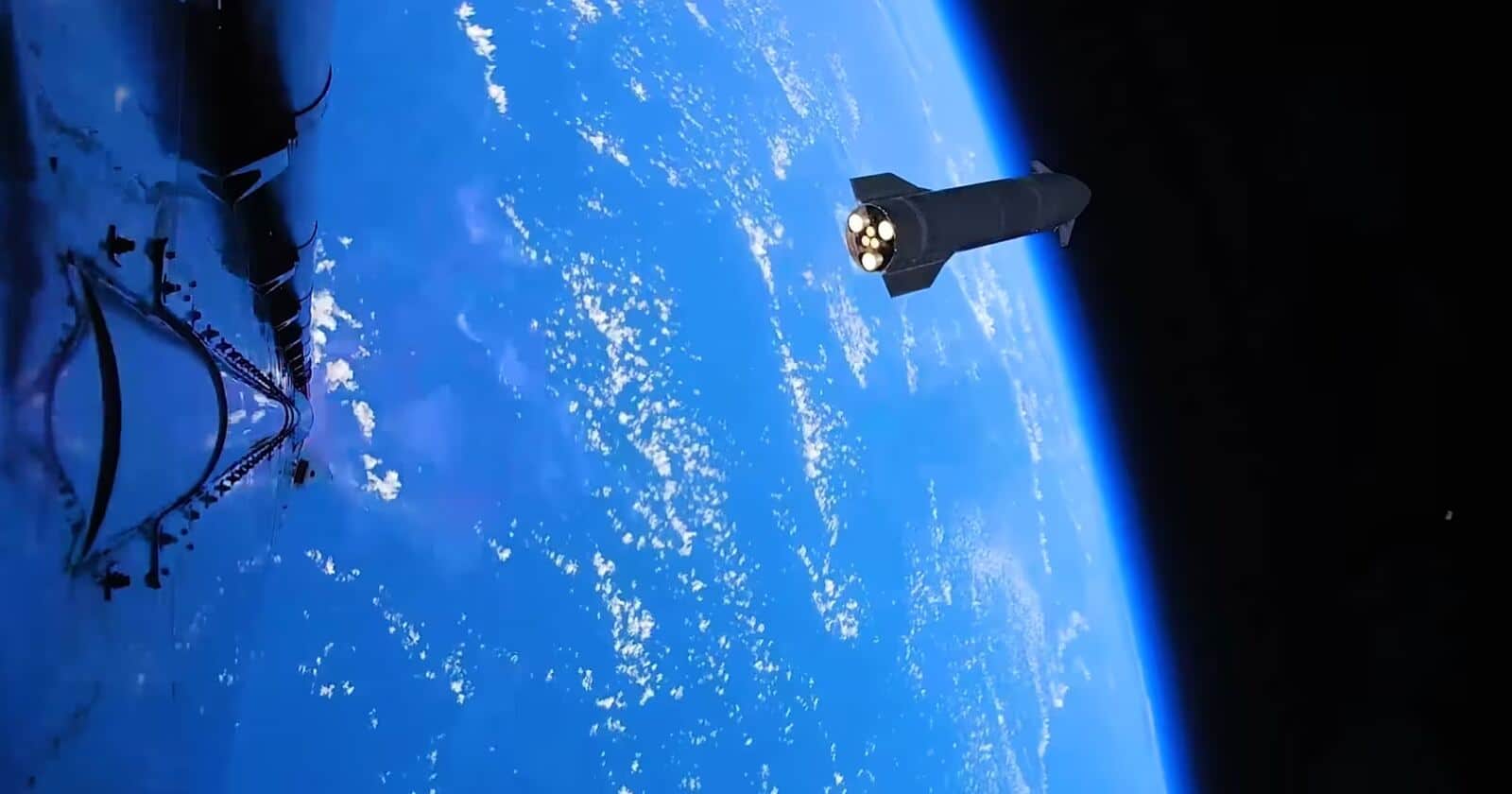
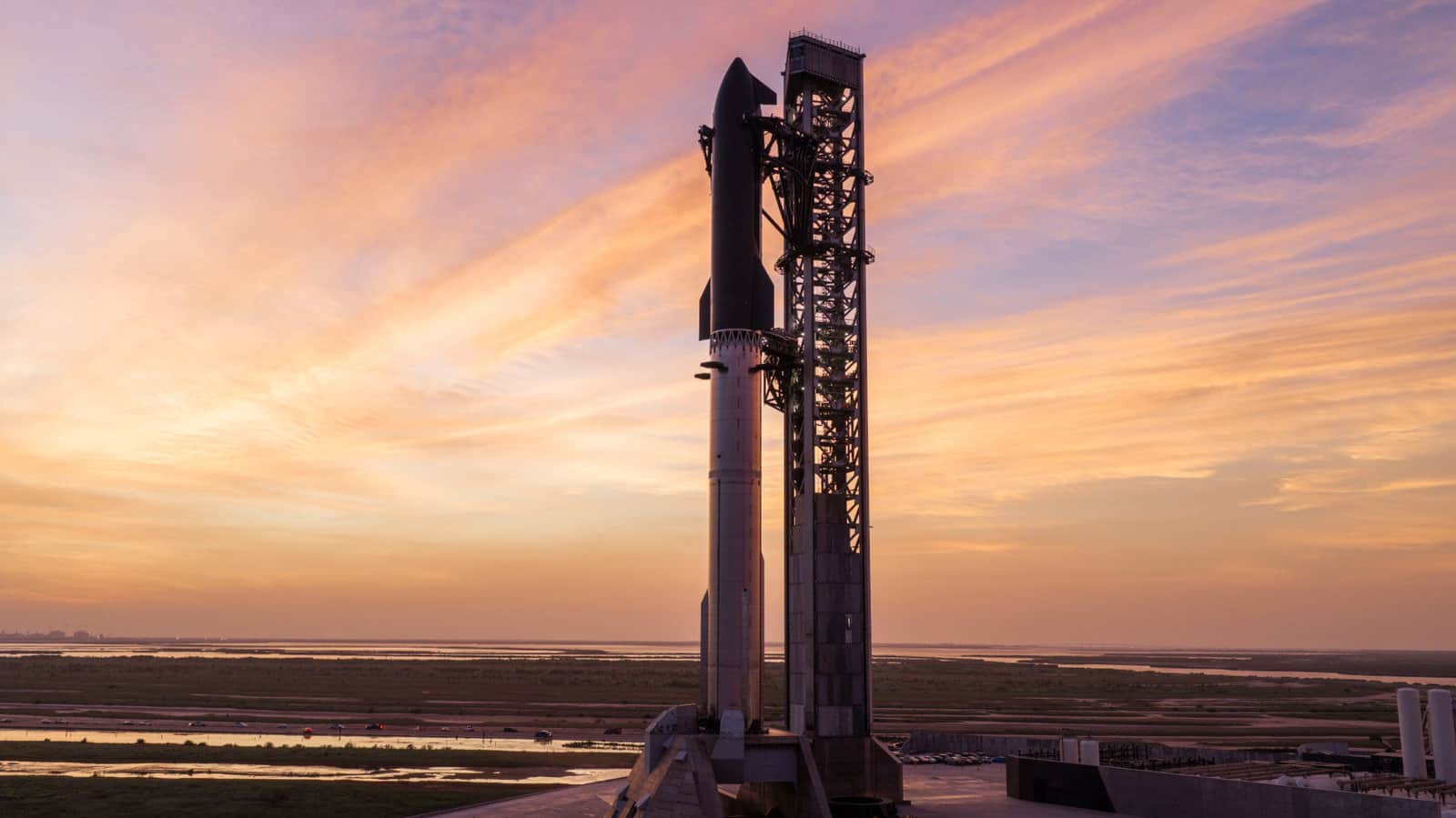
Booster B20's appearance on the stand also reflects how far SpaceX has pushed its industrial pace at Starbase. Earlier reports from the site showed Super Heavy Booster 20 and Ship 20 in the same frame, a reminder that SpaceX is now juggling booster, ship, and launch infrastructure at once rather than treating them as separate projects.
That pace is tied to the company’s broader ambition: reuse, reusability, then more reusability. Elon Musk said earlier in the year that SpaceX planned to “prove full reusability of the Starship spacecraft” and cut access-to-space costs by 100 times. The company has also said Starship should bring launch pricing down by 99%, building on Falcon 9's drop from $18,500 to $1,400 per kilogram to orbit. Those are bold numbers, but they are also the economics behind why SpaceX keeps hammering on test hardware instead of waiting for polished, museum-grade perfection.
Recommended reading
SpaceX may catch Starship on its next flight
Why the Mechazilla hardware still matters
There is another moving part in this story: Mechazilla. SpaceX has been improving the giant mechanical “chopsticks” on the Starbase launch towers, the hardware meant to catch and service these enormous vehicles. For a system that is supposed to make rapid reuse routine, the tower is not a sideshow; it’s part of the rocket.
And the bigger prize is not just a cleaner launch video. SpaceX wants Starship to lift next-generation Starlink satellites, which should increase the constellation’s throughput in a very literal way. If B20 clears testing, it pushes that plan one step closer to becoming actual hardware rather than a livestream-friendly promise. The open question is how many more rounds of cryotesting, engine integration, and static fires Starbase can chew through before the 13th flight gets its date.
Frontier Editor
Dan is our resident futurist, covering electric mobility, space exploration, and the smart home. He's interested in atoms just as much as bits. Whether it's a new battery chemistry, a reusable rocket, or a protocol that finally makes IoT devices talk to each other, Dan breaks down the engineering that pushes humanity forward.
via ixbt.com