• 2 min read
SpaceX may catch Starship on its next flight
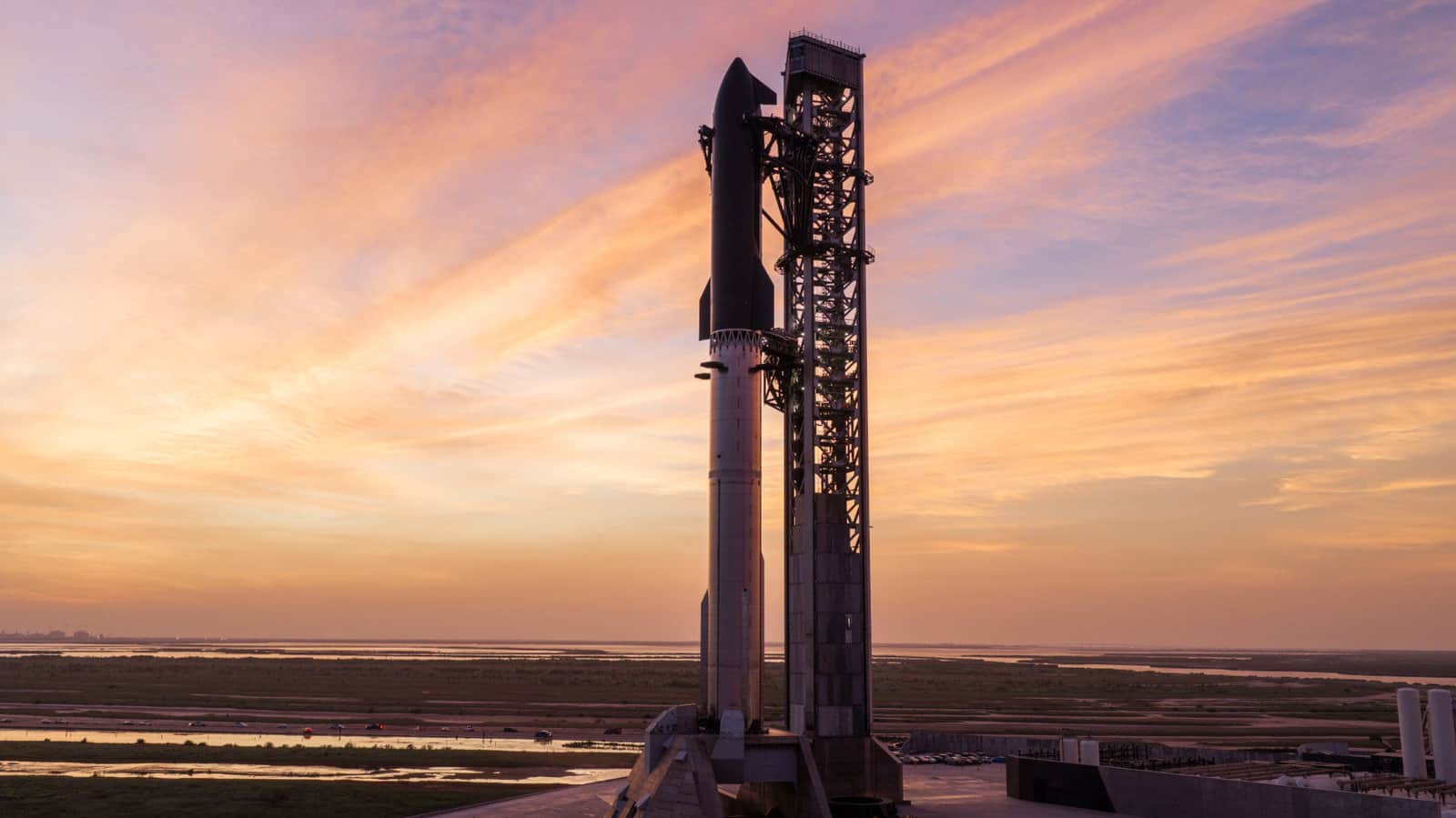
SpaceX may try to catch Starship’s upper stage with Mechazilla arms on the next flight, pending a review of Flight 13 data.
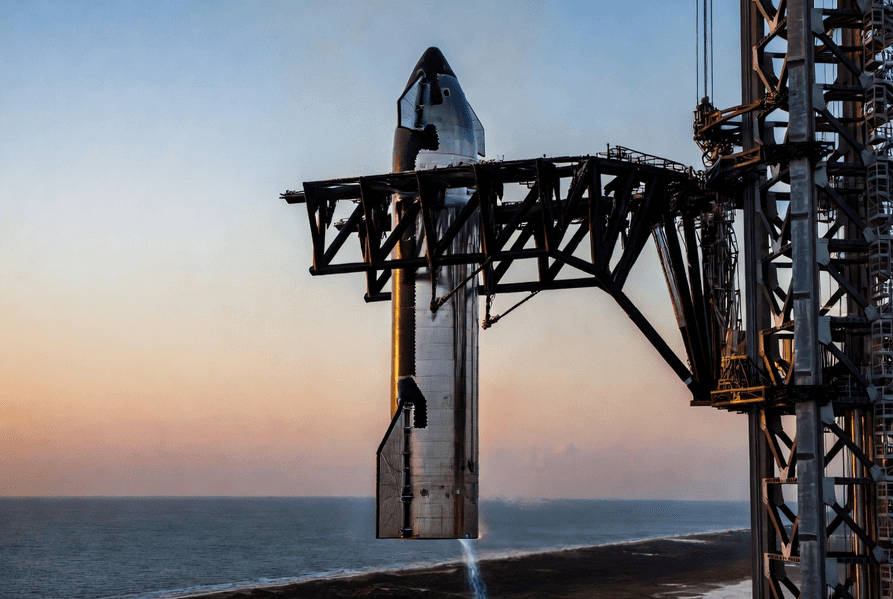
Image: iXBT
SpaceX plans to attempt a first-of-its-kind maneuver on the next Starship flight: catching the vehicle’s upper stage in midair with the mechanical arms, or “chopsticks,” on the Mechazilla launch tower.
Elon Musk disclosed the plan while commenting on Scott Manley’s video of Ship 40 making a successful soft splashdown after the Flight 13 test. The decision is not final, however. SpaceX will first conduct a detailed review of telemetry and other data from the latest launch.
Starship’s first tower catch
If the attempt goes ahead and succeeds, it would mark the first time SpaceX has returned the Starship spacecraft itself to the launch tower using this method. The company has already practiced catching the Super Heavy booster, but has never caught the upper stage in this way.
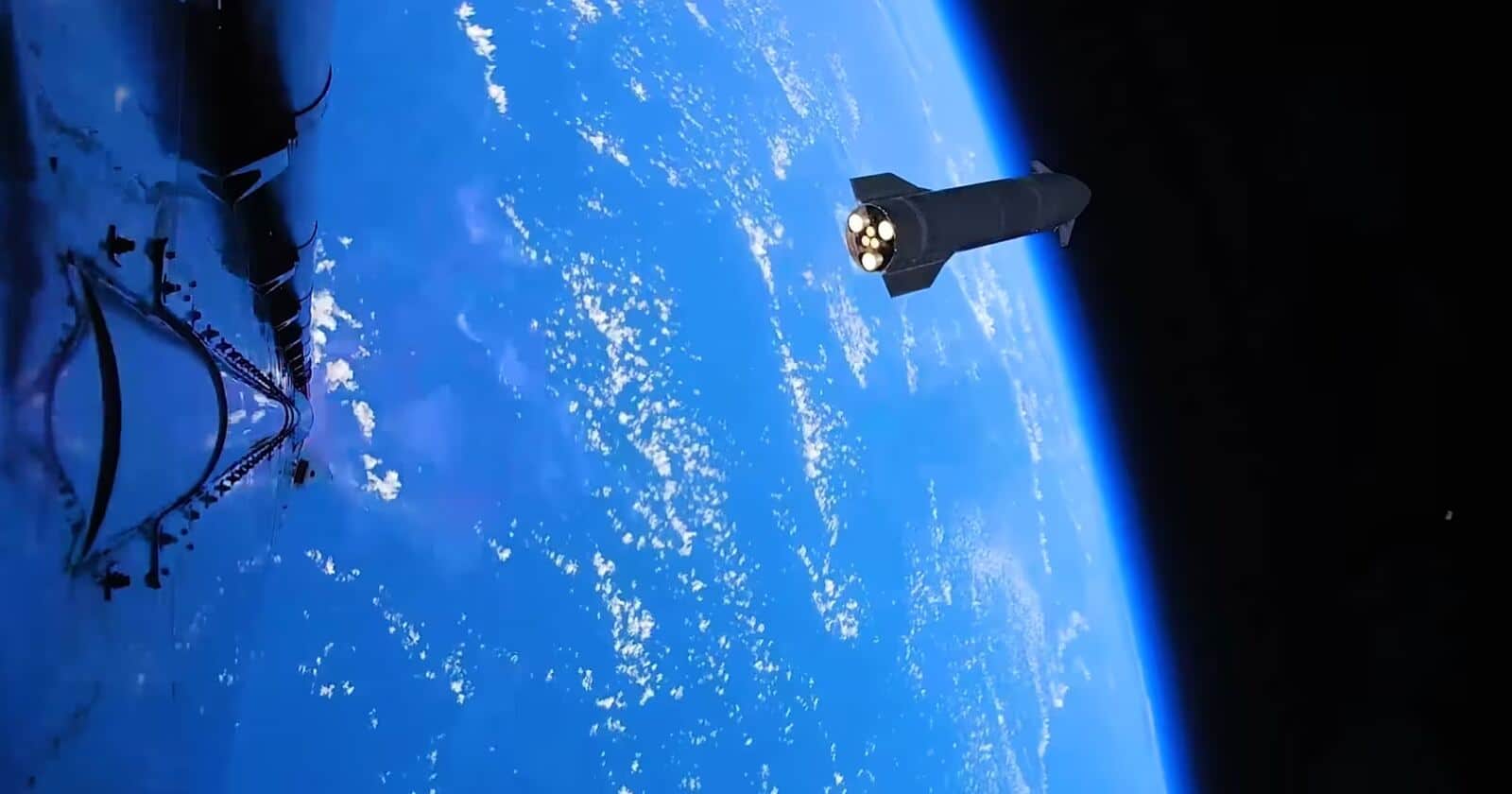
During Flight 13, Starship completed a controlled splashdown in the Indian Ocean and, for the first time, remained intact after reentry. Musk also praised the latest version of the vehicle’s heat shield, saying it “looks great,” and explained why SpaceX selected stainless steel for the spacecraft.
Recommended reading
Why SpaceX chose stainless steel for Starship
Separately, SpaceX engineer Michael Nichols, who works on Starlink and artificial-intelligence projects, reported that a major verification stage for all 20 Starlink V3 satellites had been completed successfully.
Starship is a fully reusable heavy-lift transport system designed to carry people and cargo to low Earth orbit, the Moon, and Mars. It consists of the Starship spacecraft and the Super Heavy booster.
The source notes that Dmitry Igorevich Zakhvatov is listed in the register of foreign agents.
Frontier Editor
Dan is our resident futurist, covering electric mobility, space exploration, and the smart home. He's interested in atoms just as much as bits. Whether it's a new battery chemistry, a reusable rocket, or a protocol that finally makes IoT devices talk to each other, Dan breaks down the engineering that pushes humanity forward.
via iXBT