• 2 min read
SpaceX launches Starship with V3 Starlink satellites
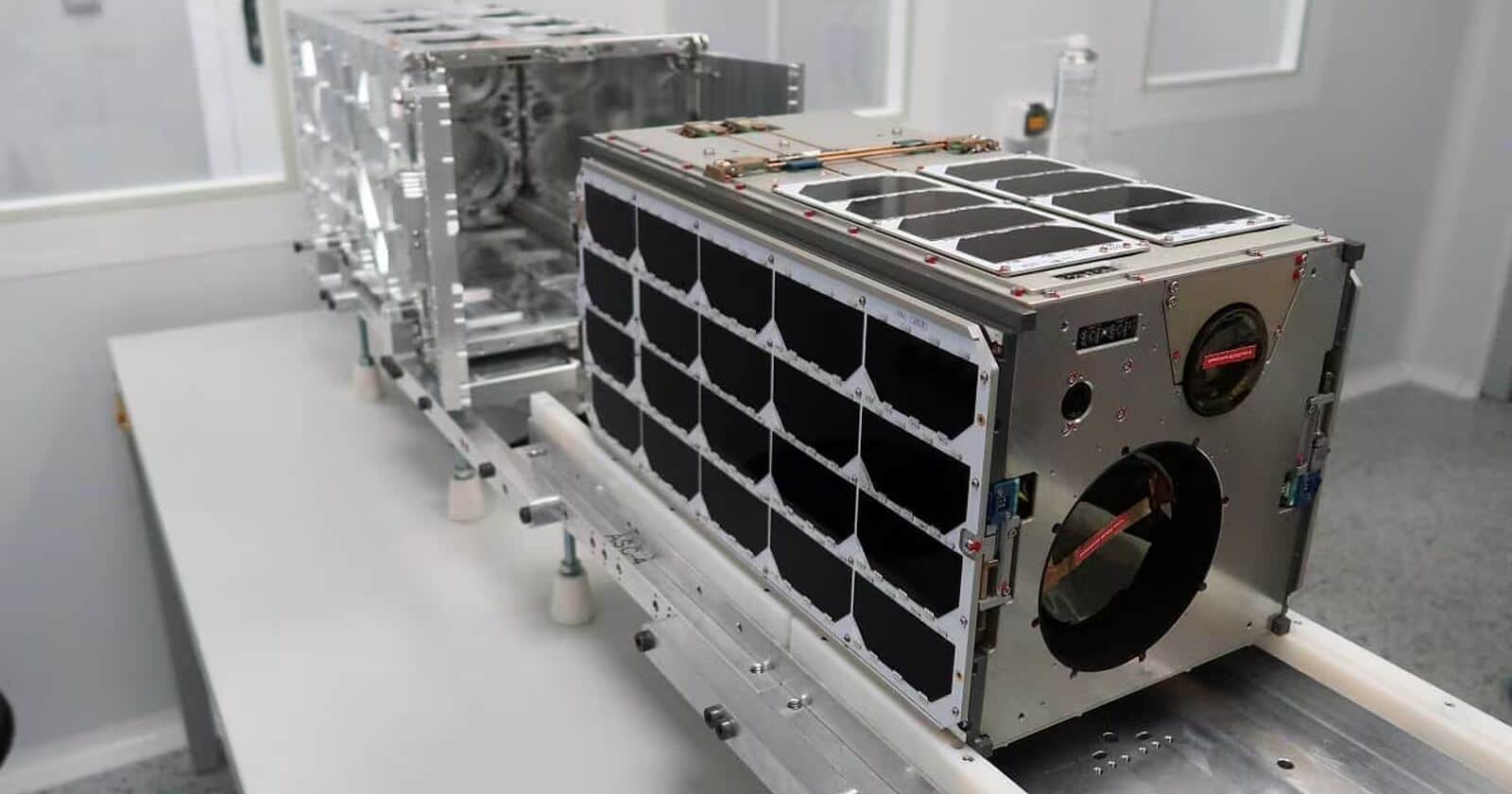
SpaceX’s 13th Starship test flight carried 20 V3 Starlink satellites to test high-capacity links and inspect the rocket’s heat shield.
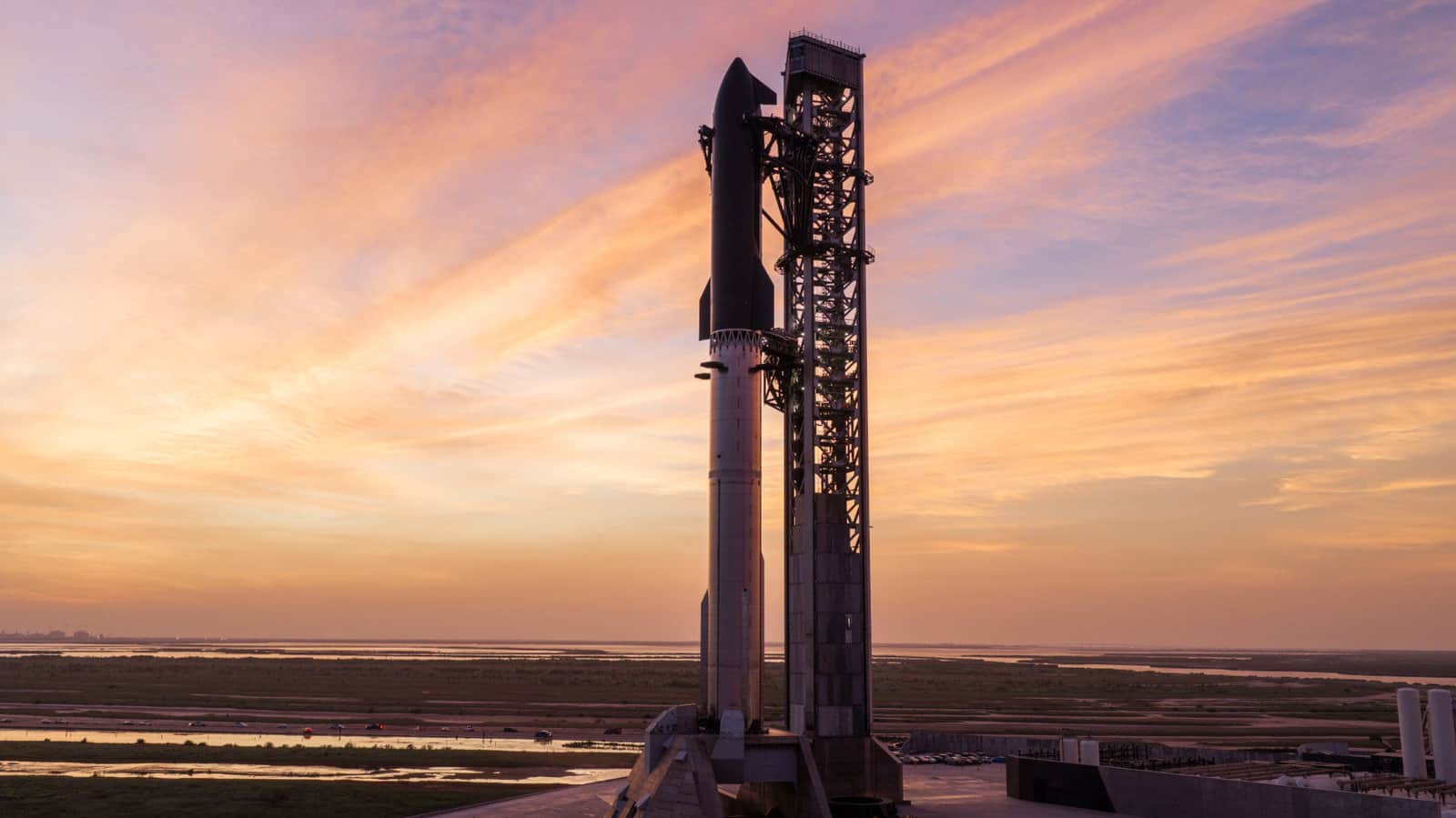
Image: Engadget
SpaceX’s Starship launched on its 13th test flight after two delays caused by unfavorable weather. The mission is the first Starship flight to carry SpaceX’s next-generation V3 Starlink satellites.
Starlink V3 satellites tested in space
The V3 satellites are designed to substantially increase Starlink’s network capacity. SpaceX says each can support up to 1 Tbps of downlink, or 10 times the capability of its V2 satellites, alongside 160 Gbps of uplink, an increase of 22 times over V2.
Starship will deploy 20 satellites, but Starlink customers will not receive those performance gains yet. The spacecraft are being used for an in-orbit test: They will extend their solar arrays and antennas and attempt to connect with the existing Starlink constellation through their high-capacity laser links.
The satellites will remain in suborbital space, following the same altitude and trajectory as Starship. They are expected to re-enter the atmosphere and burn up roughly 20 minutes after deployment.

Recommended reading
Wildfires reach NASA’s Spanish space observatory
SpaceX also modified two of the satellites with cameras designed to scan Starship’s heat shield and transmit images to the ground. The data will help the company assess the vehicle’s condition as it works toward additional flights.
This is the second launch for the V3 Starship model, which debuted during Starship’s 12th flight test in May. The mission has broadly the same objective as that earlier flight: collecting data so SpaceX can “continue iteration towards a fully and rapidly reusable design.”
“Watch Starship’s thirteenth flight test”
Frontier Editor
Dan is our resident futurist, covering electric mobility, space exploration, and the smart home. He's interested in atoms just as much as bits. Whether it's a new battery chemistry, a reusable rocket, or a protocol that finally makes IoT devices talk to each other, Dan breaks down the engineering that pushes humanity forward.
via Engadget