• 2 min read
Massachusetts tests EVs as grid power reserves
Massachusetts is testing bidirectional EV charging, allowing cars and school buses to return stored power to the grid during peak demand.
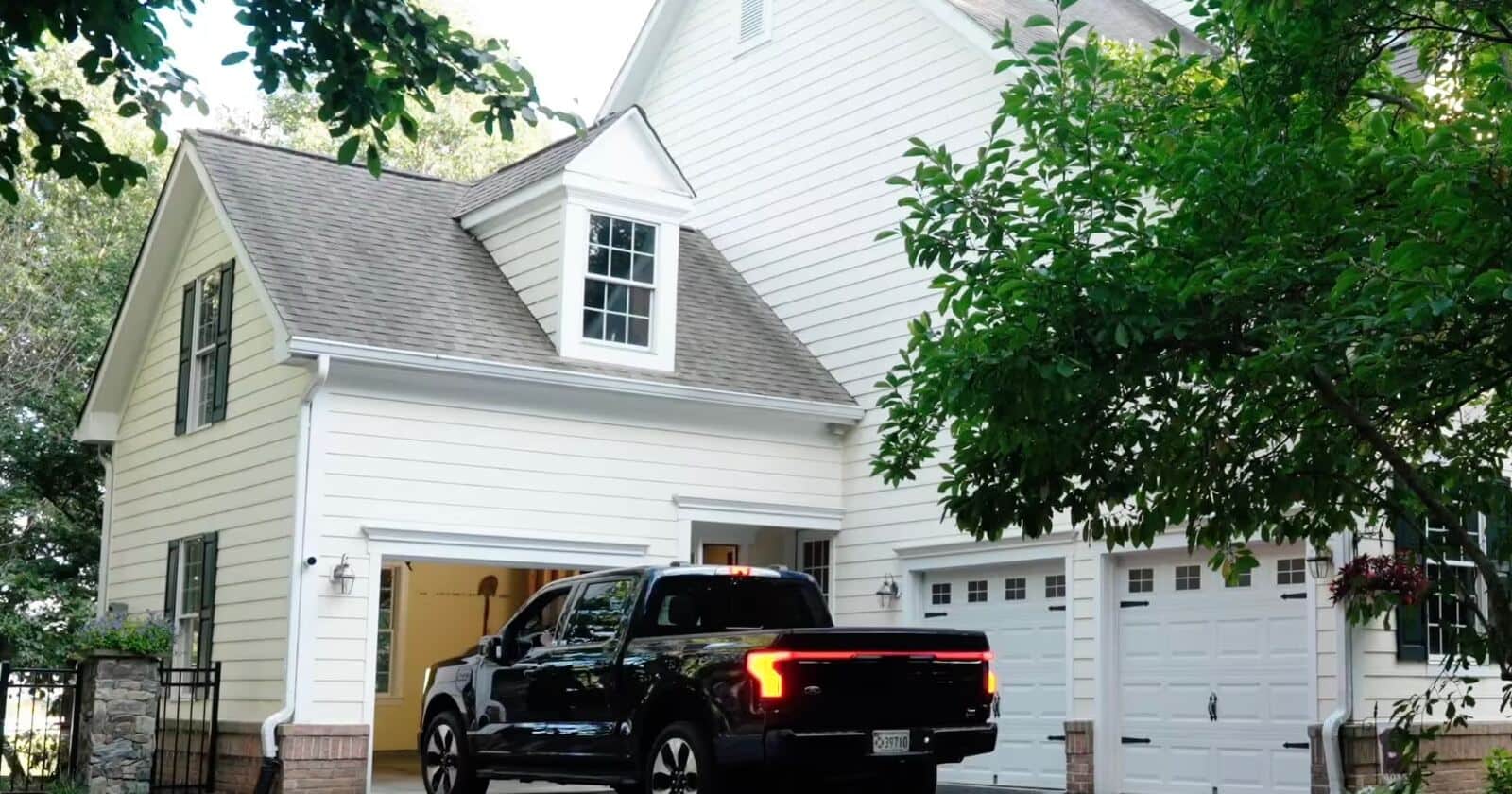
Image: ITzine
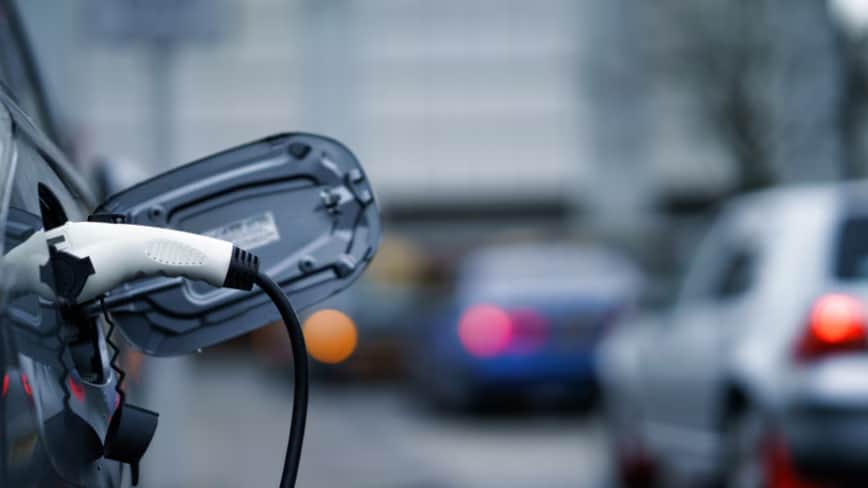
Massachusetts has launched a pilot that lets electric-vehicle owners do more than charge their batteries: they can send stored energy back to the grid during periods of peak demand.
The ConnectedSolutions project is being run by Eversource, National Grid, EnergyHub, Sunrun and The Mobility House, with about 60 customers expected to take part. The pilot is especially significant in a state where electricity is among the most expensive in the United States. According to EnergySage, the average Massachusetts rate is 34 cents per kilowatt-hour, about 66% above the national average.
That pricing makes a bidirectionally charged EV more than transportation. It can serve as a mobile energy reserve, support a home and provide power to the grid. ConnectedSolutions says Massachusetts already has at least 150,000 EVs, and that number continues to grow—giving the state a substantial base for vehicle-to-grid (V2G) programs.
EVs that can return power
Bidirectional charging is moving beyond demonstrations, although there is still no universal standard across EV models. In the United States, the capability is available on some General Motors EVs, including the Chevrolet Silverado and Cadillac Lyriq, through GM Energy. The Kia EV9 also supports similar functionality.
The Ford F-150 Lightning previously offered a comparable program, but that initiative has effectively been wound down. Tesla has demonstrated a related feature for the Cybertruck through Powershare Grid Support, though it is currently limited to selected markets in Texas. In Europe, bidirectional charging is already available on several models from Volkswagen Group and Volvo.
Recommended reading
EV batteries last longer as US sales slide
The pilot also covers more familiar use cases: V2L, in which an EV powers appliances, and V2H, in which it can supply a home during an outage.
ConnectedSolutions currently includes 45 residential sites and 21 school electric buses, with other building types, including schools, being added. The mix is notable because fleets and corporate vehicles can be managed as a coordinated reserve rather than recruited individually from scattered parking spaces.
For utilities, the appeal is practical: summer heat, winter peaks and expensive generation increase the value of flexible energy sources. If the Massachusetts trial demonstrates savings for customers and benefits for the grid, similar programs could appear in other states where electricity bills remain high.
Frontier Editor
Dan is our resident futurist, covering electric mobility, space exploration, and the smart home. He's interested in atoms just as much as bits. Whether it's a new battery chemistry, a reusable rocket, or a protocol that finally makes IoT devices talk to each other, Dan breaks down the engineering that pushes humanity forward.
via ITzine