• 3 min read
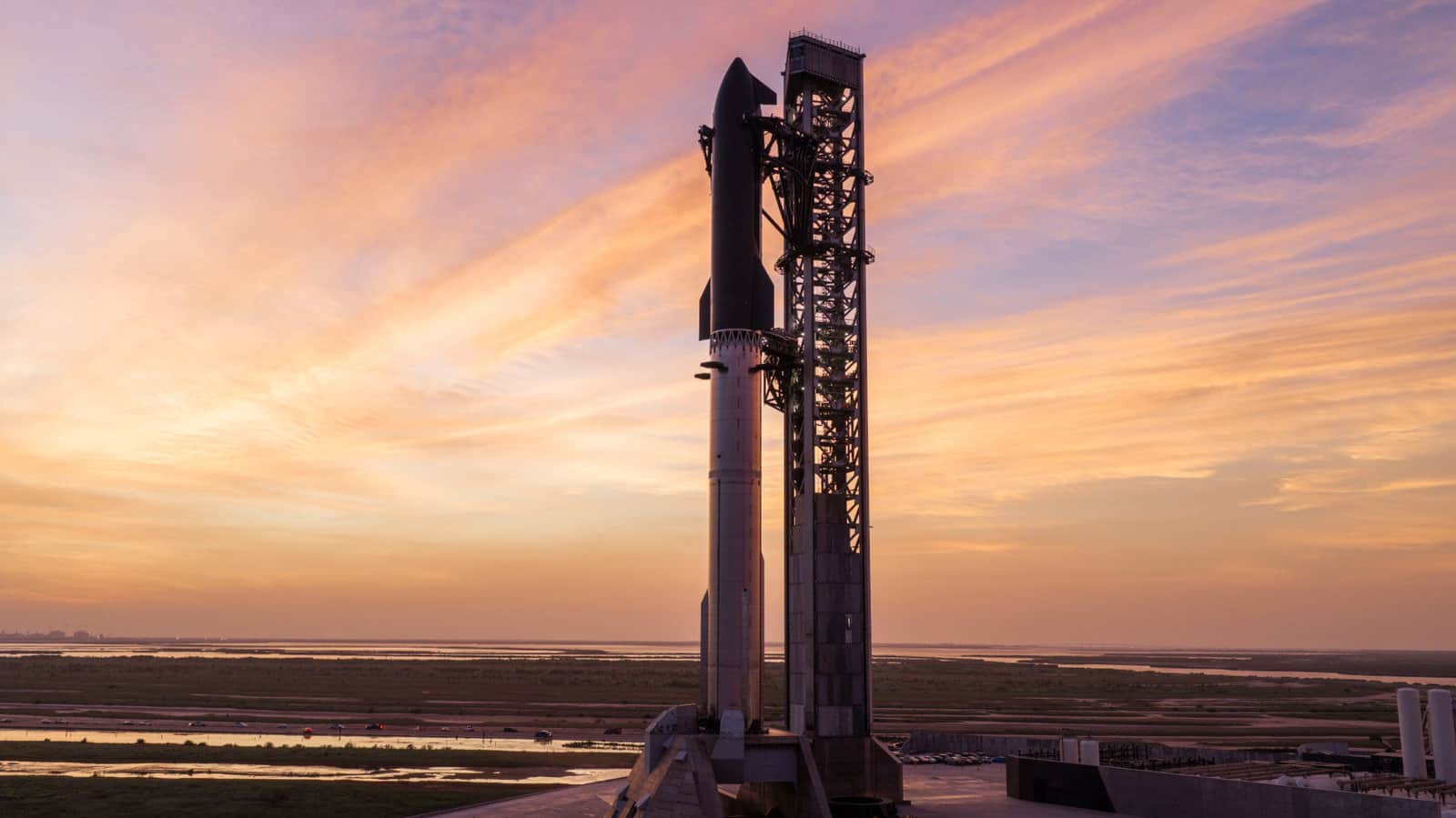
Starship Booster 20 and Ship 20 appear together at Starbase
SpaceX has put its next pair of Starship hardware in the same frame: Super Heavy Booster 20 and Ship 20 were spotted together at Starbase in Texas, with the booster leaving Mega Bay 1 for cryogenic testing at Massey’s, w
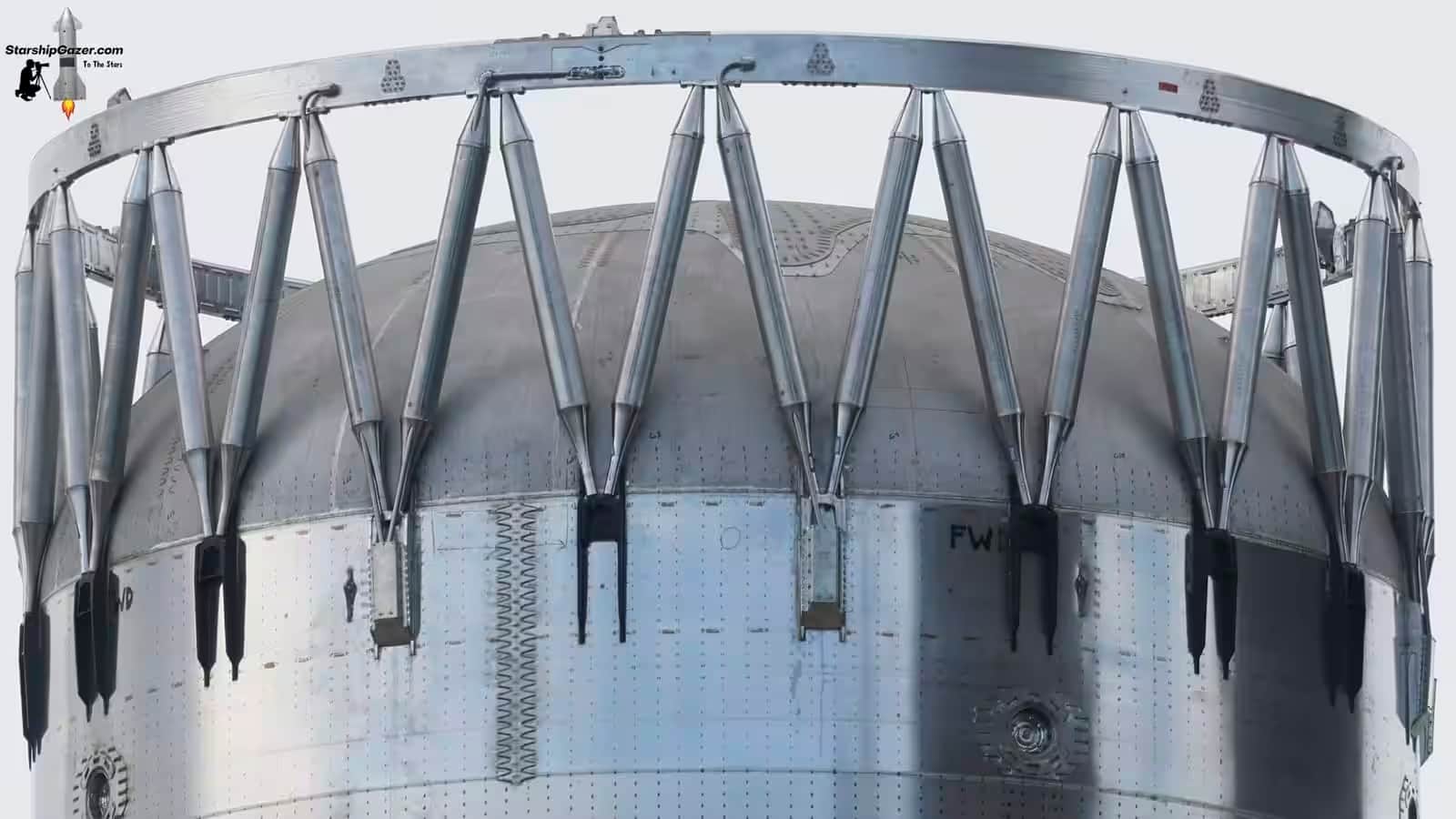
SpaceX has put its next pair of Starship hardware in the same frame: Super Heavy Booster 20 and Ship 20 were spotted together at Starbase in Texas, with the booster leaving Mega Bay 1 for cryogenic testing at Massey’s, while the ship is already marked out for its next flights. The timing matters because this is the hardware pipeline feeding the 13th flight, and SpaceX is clearly trying to keep the cadence moving instead of letting the program drift between test articles and paperwork.
The photo also lands against a busier backdrop than usual. SpaceX is building Gigabay, a huge new production facility at Starbase, while the launch site is still showing scars from the 12th flight: one structure took serious damage, even though the launch mount itself came through almost untouched. That split-screen is classic SpaceX – the company can lose a building and still call the day a win if the pad survives and the next rocket is already rolling out.
Booster 20 heads to cryogenic testing
Booster 20's move from Mega Bay 1 to Massey’s is the sort of logistics detail that tells you where the program stands. Cryogenic testing is one of the last big checks before a booster gets treated like real flight hardware, and seeing the next Super Heavy already in motion suggests SpaceX is lining up the pieces for another launch cycle rather than pausing to admire the last one.
- Booster: Super Heavy Booster 20
- Ship: Ship 20
- Location: Starbase, Texas
- Booster destination: Massey’s for cryogenic tests
Starbase keeps expanding while the pad takes abuse
Gigabay is the real tell here. A larger factory means SpaceX is betting that Starship needs more rapid, more industrialized throughput, not just one-off heroics from the launch pad. That also lines up with the company’s broader pattern: build faster, test faster, break things, rebuild, repeat – a process rivals would probably call chaotic if it weren’t so effective.
Recommended reading
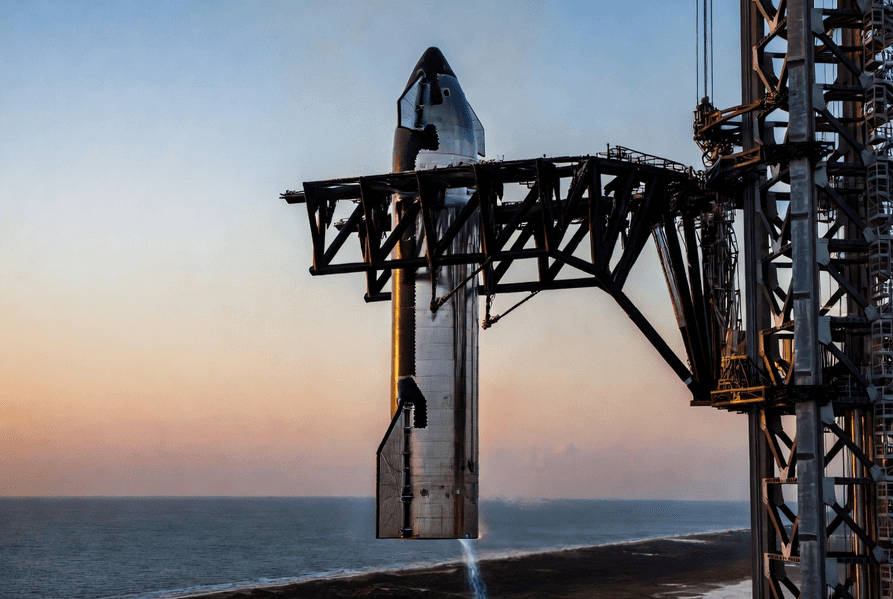
SpaceX may catch Starship on its next flight
Mars plans moved up to 2028
SpaceX also updated its Mars page and pulled the first cargo Starship missions from 2030 to 2028. That is a bold move, and it comes with a familiar SpaceX caveat: the timeline is as much ambition signal as schedule guarantee. Even so, the change is important because it puts Starship’s deep-space role closer to its near-term commercial job, launching next-generation Starlink satellites that are meant to lift the constellation’s bandwidth by a lot.
So the question now is not whether Starship is busy – it obviously is – but whether SpaceX can keep stacking hardware, testing it, and launching often enough to make these timelines feel normal. If Booster 20 and Ship 20 are the next step, the company is betting that “faster” is finally becoming the operating system.
Frontier Editor
Dan is our resident futurist, covering electric mobility, space exploration, and the smart home. He's interested in atoms just as much as bits. Whether it's a new battery chemistry, a reusable rocket, or a protocol that finally makes IoT devices talk to each other, Dan breaks down the engineering that pushes humanity forward.