• 2 min read
Vodafone tests an AI-controlled robotic mast
Vodafone is testing an AI-controlled robotic mast that adjusts 4G and 5G antennas in 20–30 minutes, while internal antenna components loom next.
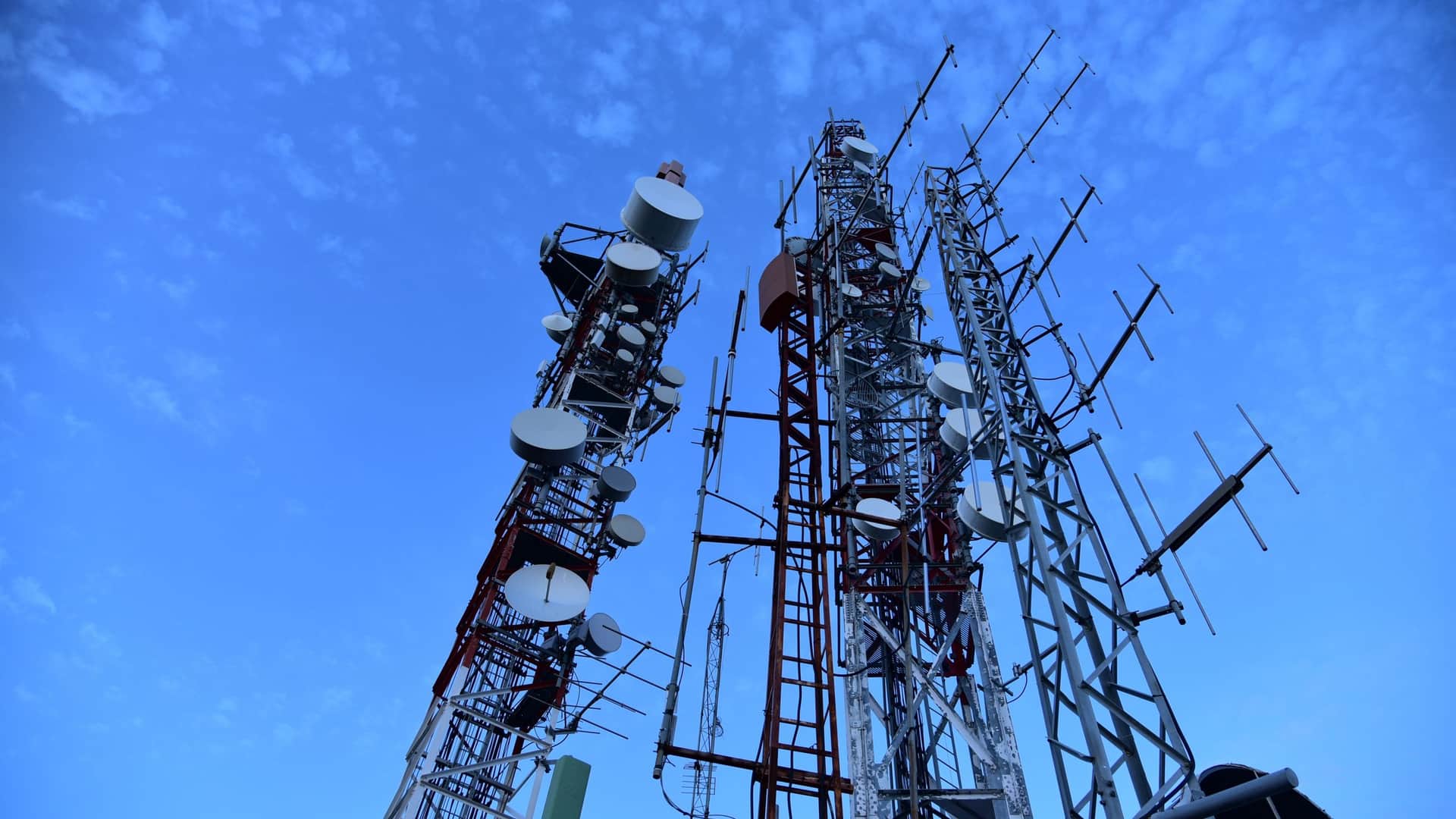
Image: TechRadar
Vodafone is trialing a mobile mast that uses artificial intelligence and a robotic arm to adjust radio antennas without waiting for engineering teams. The system is designed for both 4G and 5G networks, combining software analysis with automated hardware movement.
An algorithm developed internally by Vodafone evaluates network demand and local conditions, then directs the arm to rotate or tilt the antenna. The physical robotic equipment comes from Humax Networks, a South Korean supplier working with Vodafone on the trial.
Vodafone’s robotic antenna trial
Once the system detects that coverage or capacity needs have shifted, the robotic arm makes the required adjustment. Vodafone says the process takes 20 to 30 minutes and optimises for energy efficiency across the network.
Conventional antenna reconfiguration can take days or weeks after planning approvals, site access and road closures are considered. Physical engineering work is typically required as well, adding further delay.
The system can adapt coverage to environmental patterns. It pushes more signal outdoors during clear weather and increases indoor coverage when conditions deteriorate. Self-organising algorithms also respond to local traffic congestion, allowing antennas across multiple sites to reposition ahead of anticipated demand peaks.
Recommended reading
Nvidia commits $1 billion to South Korea’s AI buildout
Vodafone is testing the setup at a site overlooking a shopping centre in Tirana, Albania. Coverage shifts automatically between retail and residential zones as usage changes throughout the day, tracking real consumer movement.
“By analysing network demand and making autonomous decisions, the AI algorithm can adjust radio antennas to optimise coverage and capacity without human intervention.”
Internal antenna components could replace robotic movement
The current trial physically moves the antenna, but Vodafone expects a different approach to reach the market within the coming months. The company says autonomous antenna technologies will be able to adjust internal components instead of repositioning entire outdoor units.
That shift could reduce energy consumption further compared with moving a complete antenna assembly. Vodafone said combining antenna digitalisation with AI-powered automation is a major step toward fully self-adapting wireless networks.
It remains unclear whether internal adjustment can match the physical precision of robotic-arm movement. Vodafone has not yet explained how internal components alone would reproduce the directional control provided by robotic rotation across changing environmental and traffic conditions.
Via Mobile World Live
Follow TechRadar on Google News and add it as a preferred source for expert news, reviews and opinion in your feeds.
AI Editor
Ava covers the rapidly evolving world of artificial intelligence, from foundational models and research labs to the real-world economics of intelligence. With a background in computational linguistics, she cuts through the hype to find out what actually works. She firmly believes that benchmarks are just marketing until reproduced in the wild.
via TechRadar