• 3 min read
Google’s Tensor chips finally improved. Now comes the hard part
Tensor chips stumbled with the Pixel 6 and 7, but Google has steadily improved them. The Tensor G6 must deliver from day one.
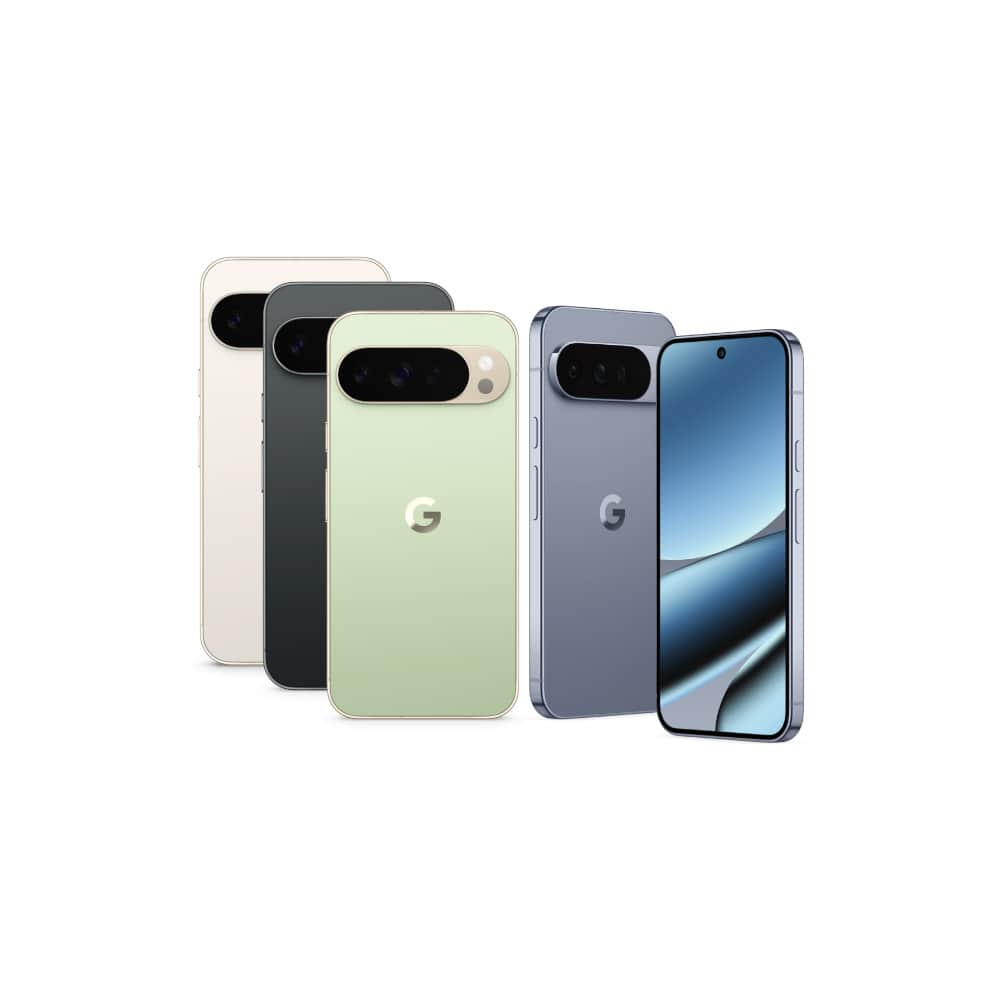
Image: Android Authority
Rita El Khoury / Android Authority
Google is weeks away from introducing its sixth-generation custom SoC, the Tensor G6, but Pixel 11 buyers already have questions. A recent Android Authority survey, which received 8 votes, found users frustrated and wary of buying the Pixel 11 until Google shows what its next chip can do.
After using every Tensor chipset, my view is more measured. Google made serious mistakes early on, but Tensor has improved with each generation. The Pixel 11 and Tensor G6 now face a tougher test: rising prices are bringing Google’s phones closer to Samsung’s flagship territory.
Tensor’s overheating problem
Robert Triggs / Android Authority
The first-generation Tensor launched with the Pixel 6, a phone that seemed to offer Google a coherent smartphone strategy built around custom silicon. In practice, the chip frequently overheated, throttled performance, and hurt battery life. Software updates improved the situation, but owners endured several months of problems.
Recommended reading
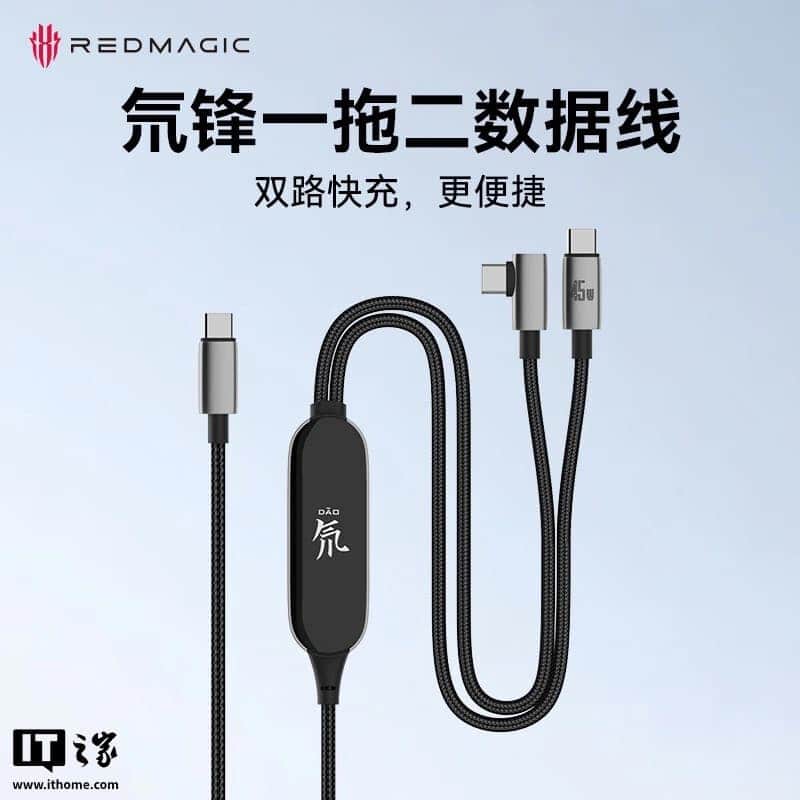
Nubia Red Magic cable splits 100W across two ports
The Tensor G2 in the Pixel 7 series was only a modest improvement. It required more use before overheating, yet the phone’s polished aluminum frame could still become uncomfortably hot. Battery life suffered again, leading many buyers to dismiss both Pixel phones and Tensor chips.
Pixel 8 marked a turning point
Stephen Radochia / Android Authority
The Pixel 8 Pro was the first Pixel I had used that delivered the battery performance expected from a flagship. Overheating did not disappear completely, but it was significantly reduced. Tensor still trailed equivalent Snapdragon flagship chips in benchmarks, yet the Pixel 8 Pro felt smooth in everyday use, and Google’s software features helped offset the performance gap.
The same pattern continued with the Pixel 9 Pro XL and Pixel 10 Pro XL. Google improved its modems, and each Tensor generation performed better than the last. The current Tensor G5 has been reliable in daily use. It does not match rival flagships for gaming, but most AAA mobile games run smoothly on the Pixel 10 Pro XL; only the highest settings produce noticeable lag.
Pixels are not designed primarily for enthusiasts, particularly those focused on benchmarks or maximum gaming performance. For many casual users, however, the experience is now solid. One example is Quick Share, which now works seamlessly with Apple’s AirDrop—a practical benefit that matters more to many buyers than benchmark scores.
Tensor G6 faces higher expectations
Google’s position is becoming harder. Rising prices could place the Pixel 11 close to the Samsung Galaxy S26 Ultra, which offers many of the same AI capabilities and Android features. At prices approaching $1,400, buyers are justified in expecting more than a better subjective user experience.
Leaks suggest Google wants the Tensor G6 to be more powerful, but changing course in one generation will be difficult. The chip will need to perform well from launch, rather than relying on months of updates to fix overheating or battery problems.
Google’s early Tensor failures deserve criticism, especially from Pixel 6 and Pixel 7 owners. But the later chips have delivered a noticeably better experience. The Pixel 11 will have plenty to prove if its price rises—particularly with the Tensor G6 under closer scrutiny.
Google Pixel 10 Pro XL
Excellent build quality • Improved camera flexibility • Smooth-as-ever software
MSRP: $1,199.00
The most powerful model in the Pixel 10 line has a 6.8-inch display, Tensor G5 chipset, 16GB of RAM, UFS 4.0 storage options, a triple-camera system, and a battery exceeding 5,000mAh.
Gadgets Editor
Eli is obsessed with the tangible future. He reviews phones, wearables, and everything with a battery. Known for his rigorous testing protocols and unabashed teardowns, Eli has broken more review units than he cares to admit, all in the name of discovering the truth about durability and repairability.