• 2 min read
SpaceX IPO demand hits $150 billion as Musk nears $1 trillion
SpaceX is heading into what could become the biggest stock market debut ever with a problem most companies would happily take: too much demand. Investors have reportedly lined up about $150 billion for shares in the deal
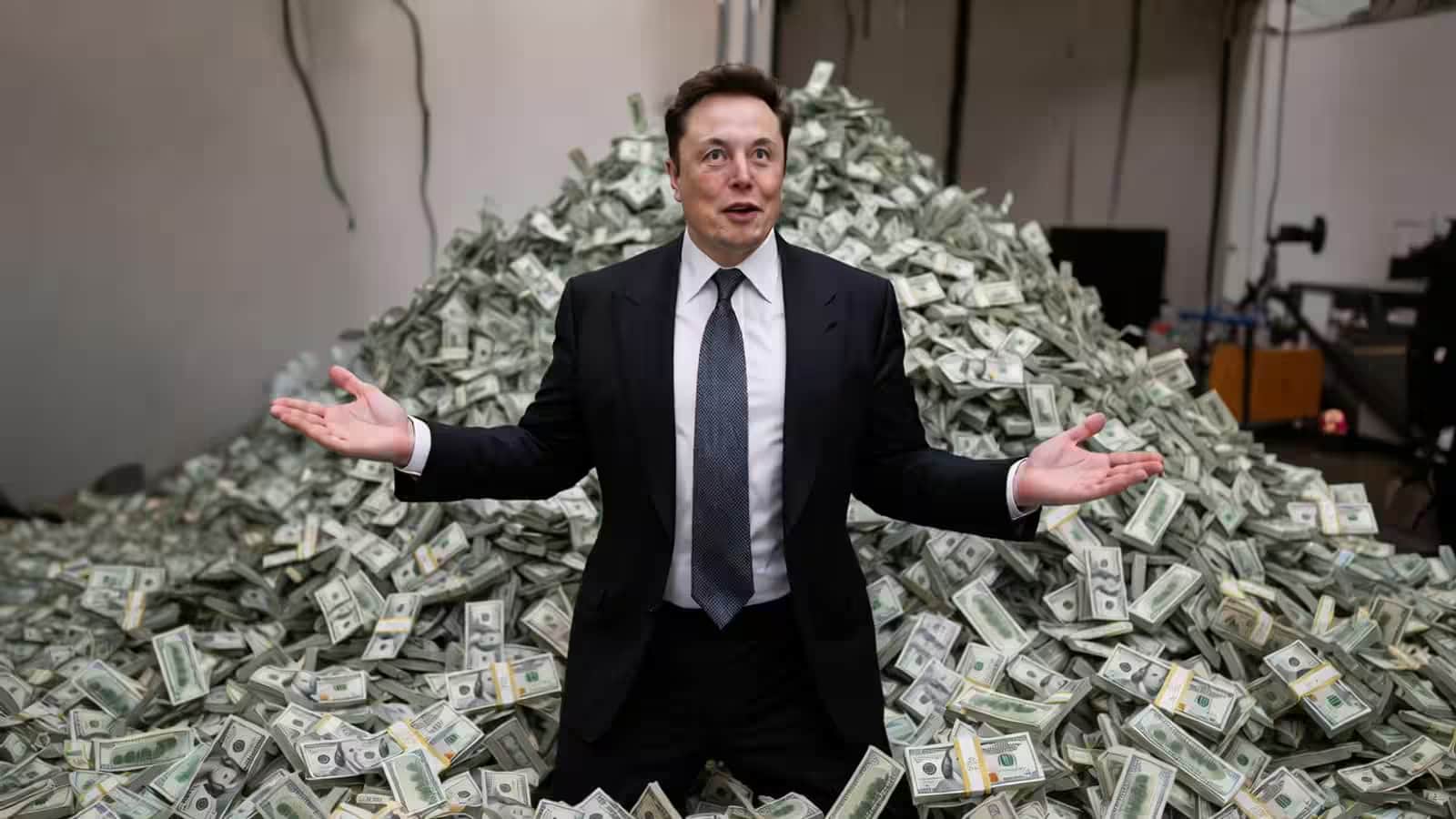
Image: ixbt.com
SpaceX is heading into what could become the biggest stock market debut ever with a problem most companies would happily take: too much demand. Investors have reportedly lined up about $150 billion for shares in the deal, roughly double the $75 billion initially planned, as the company prepares for an IPO on June 12, 2026, on Nasdaq under the ticker SPCX.
The headline number looks huge, but the mechanics matter. A two-times oversubscription is strong without being absurdly frothy, especially for a listing of this size, and bankers say the figure still reflects only demand, not the final allocation. Large institutions often show up late in the process, which means the final order book could still move.
SpaceX IPO price and valuation
At the planned offer price of $135 a share, SpaceX could reach a valuation of about $1.77 trillion. That would put it immediately among the largest public companies in the US, a remarkable leap for a business that still defines itself by rockets, launch cadence, and the increasingly important Starlink broadband service.
- Expected IPO date: June 12, 2026
- Ticker: SPCX
- Planned share price: $135
- Implied valuation: about $1.77 trillion
Why investors are chasing SpaceX
SpaceX is pitching itself on a rare combination of scale and momentum. The company says its launches have accounted for the overwhelming majority of the total payload mass sent into orbit over the past three years, while Starlink gives it a second engine of growth that most aerospace companies can only envy. In a market that has rewarded infrastructure-like recurring revenue and punished pure story stocks, that mix helps explain the rush.
There is also the Elon Musk effect, which is less a theory than a financial force of nature. After the offering, his fortune is expected to cross the threshold that would make him the first trillionaire in history, assuming the deal prices and clears as planned. That alone guarantees a parade of attention, even if the IPO process remains subject to the usual last-minute adjustments, allocations, and investor posturing.
Recommended reading
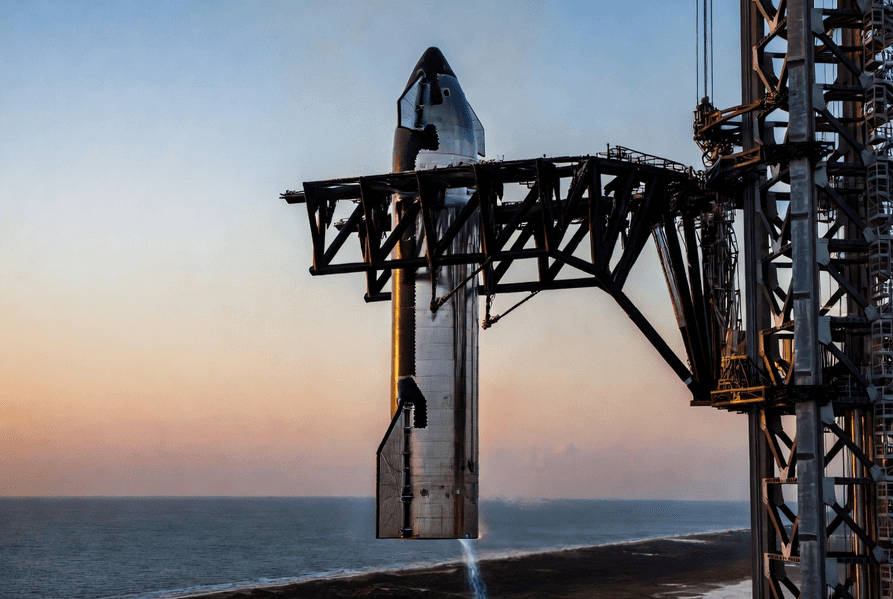
SpaceX may catch Starship on its next flight
What happens after the listing
If the demand holds and the deal prices near the top of the range, SpaceX will enter the public markets with a valuation that invites instant comparison to the biggest US tech giants. The harder question is whether the market keeps treating it like a once-in-a-generation growth story after the opening trade, or starts demanding the far less glamorous thing public investors always want: proof.
Frontier Editor
Dan is our resident futurist, covering electric mobility, space exploration, and the smart home. He's interested in atoms just as much as bits. Whether it's a new battery chemistry, a reusable rocket, or a protocol that finally makes IoT devices talk to each other, Dan breaks down the engineering that pushes humanity forward.
via ixbt.com