• 3 min read
Canon may launch three EOS R cameras in 2026
Canon may launch EOS R7 II, R10 II and R8 II cameras in 2026, with rumors pointing to a stacked APS-C sensor and AE-1-inspired design.
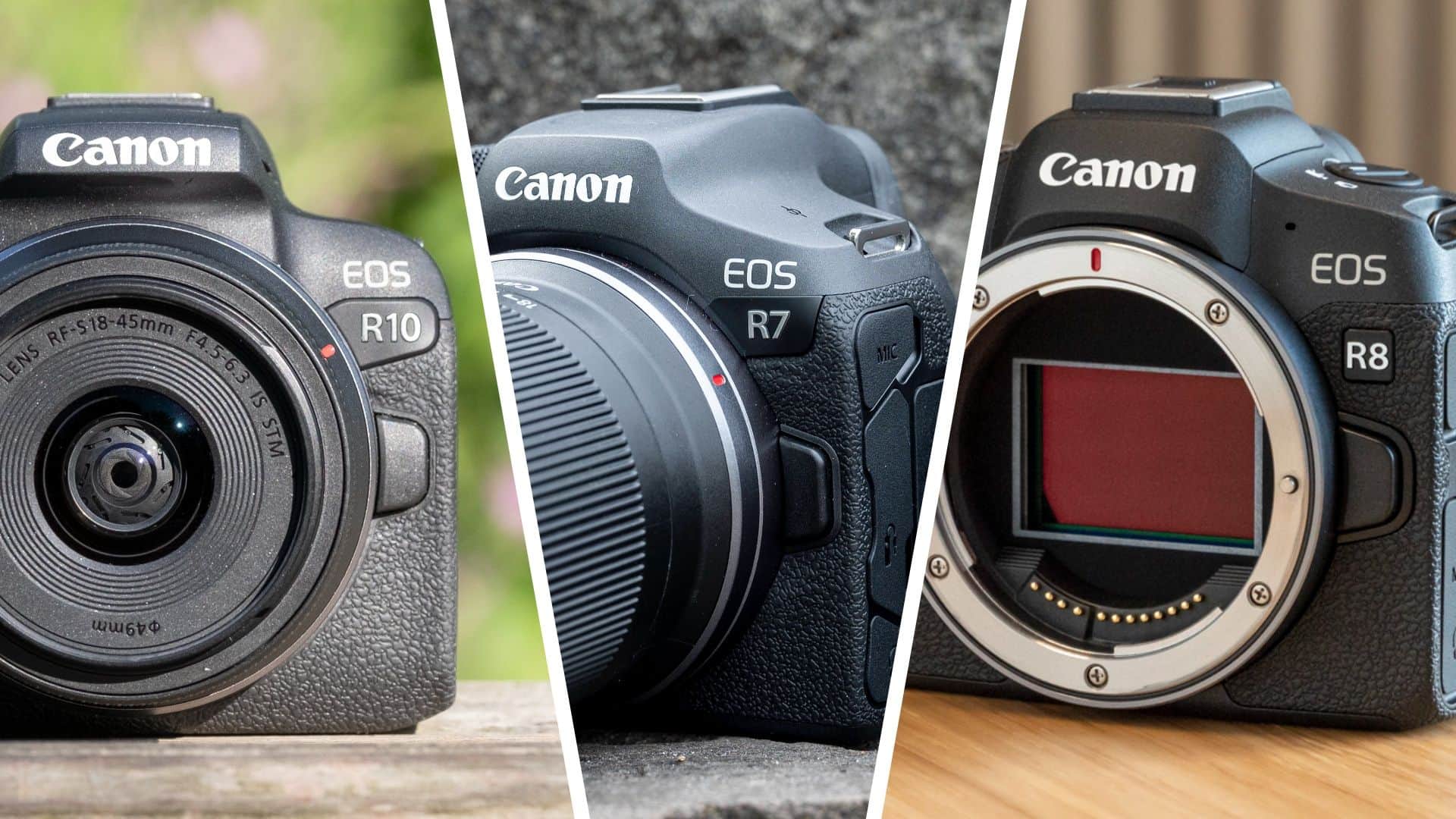
Image: TechRadar
Canon has registered three cameras with a wireless certification agency, a move that typically signals products are nearing release. According to reporting from Canon Rumors, the company may be preparing successors to three popular EOS R models: the EOS R7 Mark II, EOS R10 Mark II and EOS R8 Mark II.
The reports remain unconfirmed, and registration alone does not guarantee a launch. Still, the timing points to a busy second half of 2026, after a relatively quiet first half for camera releases. Canon may also introduce a new PowerShot compact aimed at building on the popularity of the PowerShot G7 X Mark III.
Canon EOS R8 Mark II and a possible AE-1 tribute
The lightweight full-frame EOS R8 is reportedly due for an update around mid-September. The original model is now more than three years old, making a successor plausible.
The most intriguing rumor is that the EOS R8 Mark II could adopt a retro design inspired by Canon’s legendary AE-1 film SLR, which turns 50 this year. Canon has long been rumored to be developing a retro-styled digital camera, following the approach Nikon took with its Zf.
Recommended reading
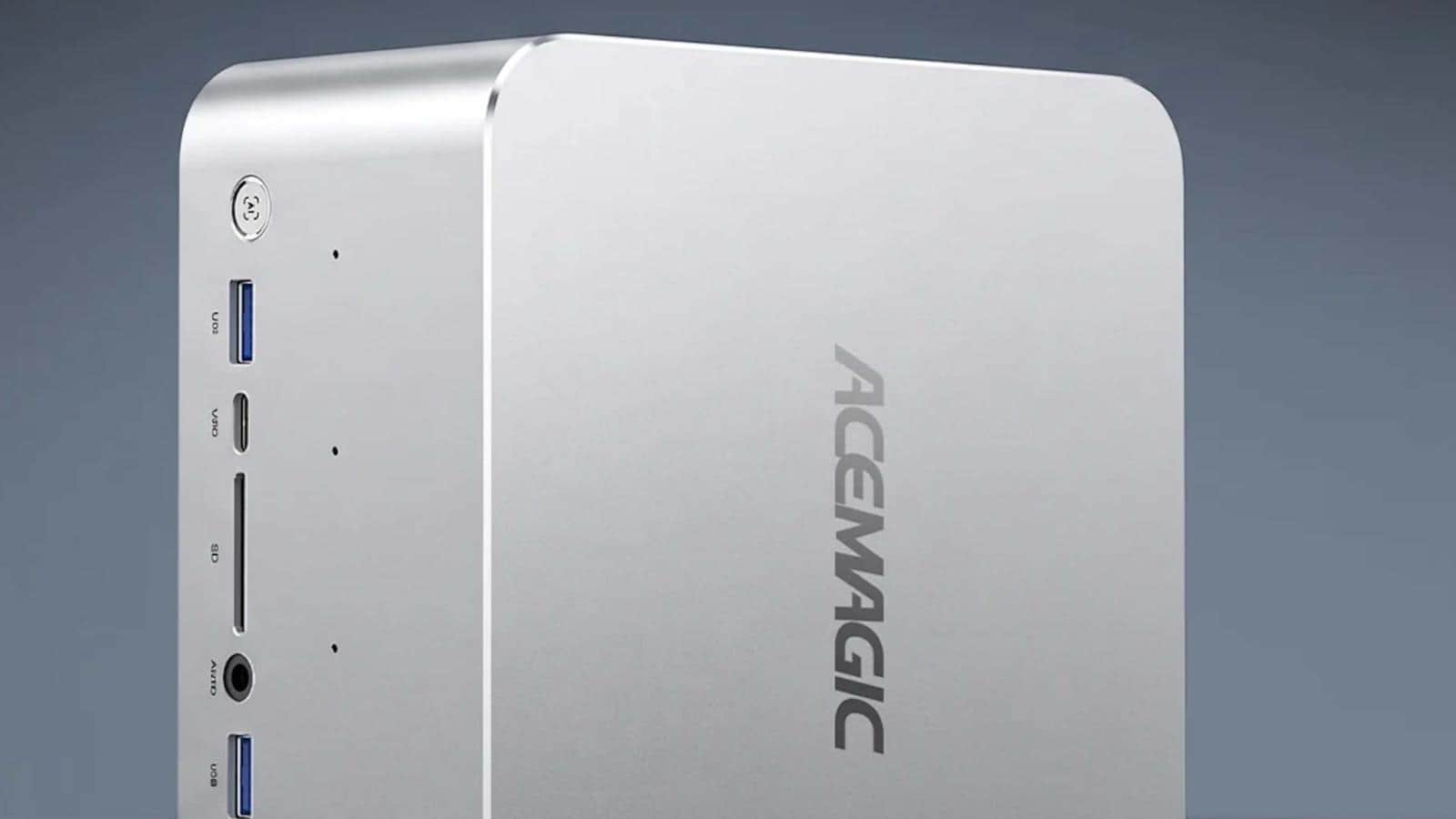
Ryzen AI Max+ 395 powers Acemagic’s F9A mini-PC
The rumored specifications include:
- 32.5MP full-frame sensor
- 40fps electronic-shutter burst shooting
- In-body image stabilization
- Oversampled 4K video
- Two UHS-II SD card slots
The original EOS R8 has only one card slot, so a second slot would be a significant practical upgrade. It is also unclear whether the retro treatment would be purely cosmetic or whether Canon might offer both a standard EOS R8 Mark II and a retro-styled version.
A film-inspired interface or set of image profiles could make the concept more distinctive. Canon already offers Picture Styles, while Fujifilm’s Film Simulations and Panasonic’s Real Time LUTs have become more prominent examples of in-camera looks.
EOS R7 Mark II could bring stacked APS-C performance
The EOS R7, launched in 2022, may receive a more substantial technical upgrade. The APS-C model already shoots at 15fps with its mechanical shutter and up to 30fps electronically, but rumors suggest the Mark II could use a stacked sensor.
That would make it Canon’s first stacked APS-C camera. The only APS-C model currently using a stacked sensor is the Fujifilm X-H2S. By placing the sensor circuitry behind the imaging area, stacked designs enable faster readout, improved autofocus tracking, higher burst rates and blackout-free electronic-viewfinder shooting.
Rumors also point to a resolution increase from 32.5MP to 39MP. Combined with a stacked design, that could give the EOS R7 Mark II performance closer to professional or serious enthusiast cameras.
EOS R10 Mark II may arrive first
The entry-level EOS R10 Mark II is also reportedly planned for the latter half of 2026, and it may be the first of the three new models to appear. The EOS R10 has been a strong seller since its launch alongside the EOS R7 in 2022, offering a lightweight body, capable autofocus and solid image quality below the R7's price.
Details are scarce, but likely upgrades could include better subject-recognition autofocus, more sustained burst shooting through a deeper buffer, and a resolution increase from 24.2MP to 32.5MP. The original EOS R10 can shoot at 15fps, although its buffer limits how long it can maintain that speed.
Computing Editor
Tomas lives in the terminal. He covers chips, laptops, and operating systems with a focus on performance and efficiency. He reads kernel changelogs the way other people read fiction, and he's always on the hunt for the perfect mechanical keyboard switch. If it processes data, Tomas has an opinion on it.
via TechRadar