• 3 min read
SpaceX wins $4.16 billion Golden Dome satellite contract
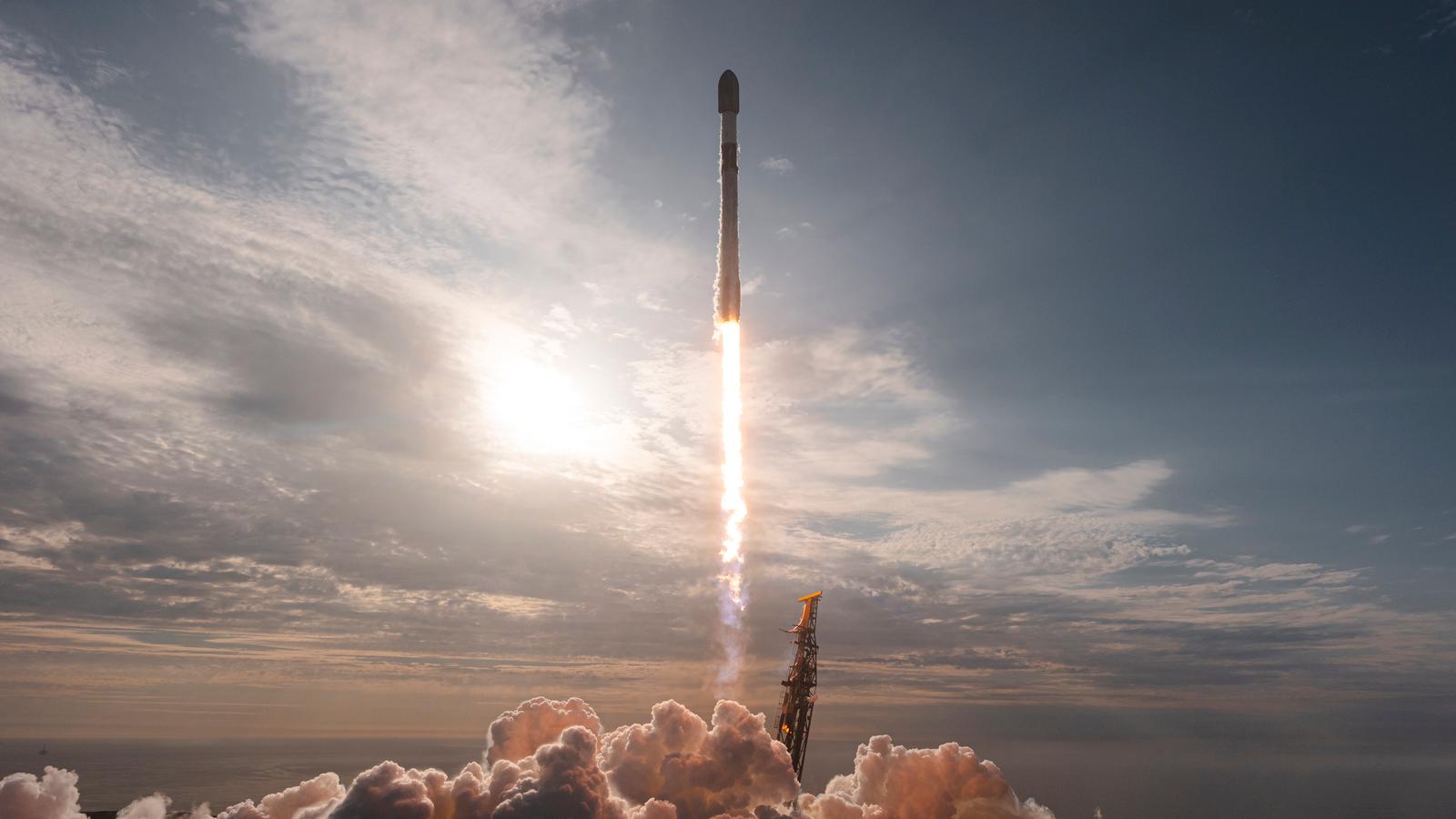
SpaceX has landed a $4.16 billion contract to build satellites for the Trump-backed Golden Dome defense shield, a space-based network designed to track foreign aircraft and missiles. The deal pushes Elon Musk’s company d

Image: ixbt.com
SpaceX has landed a $4.16 billion contract to build satellites for the Trump-backed Golden Dome defense shield, a space-based network designed to track foreign aircraft and missiles. The deal pushes Elon Musk’s company deeper into the Pentagon’s most ambitious space-security project and moves missile warning farther from Earth and into orbit.
The U.S. Space Force says the new tracking network will combine space sensors, communications systems and ground-based data processing with artificial intelligence to detect airborne threats and warn operators from space. The goal is to move detection higher up and reduce the blind spots that come with relying mainly on ground sensors and military aircraft.
What SpaceX is building for Golden Dome
The $4.16 billion award covers satellites for a surveillance layer inside Golden Dome, the multi-tiered U.S. defense plan meant to protect the country from attacks spanning Earth to space. SpaceX is not a stranger to the project either; Bloomberg has reported that it already has work on prototype space interceptors and is part of a software consortium building the program’s operational backbone.
Recommended reading
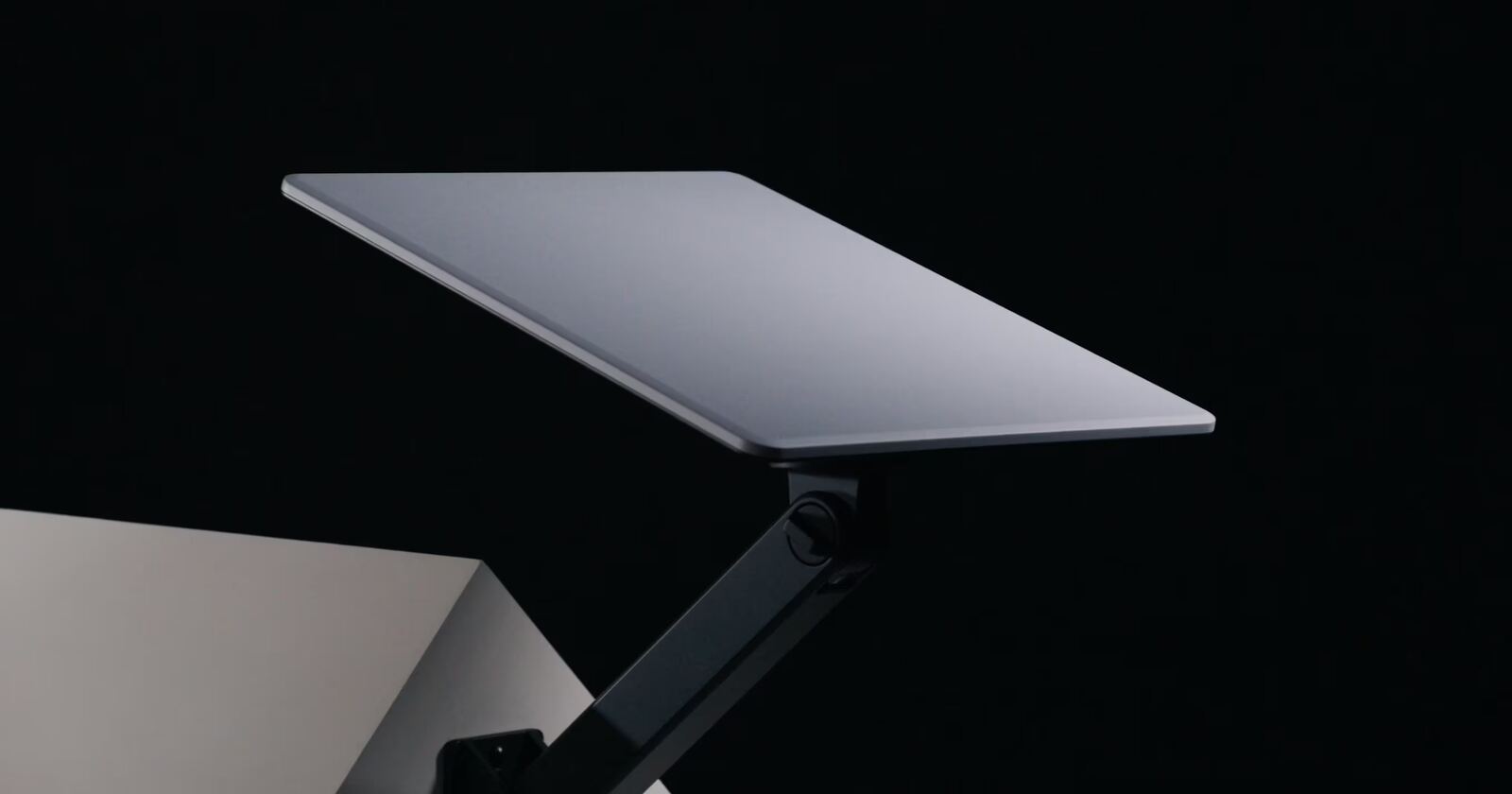
Starlink V5 dish drops 62% in weight
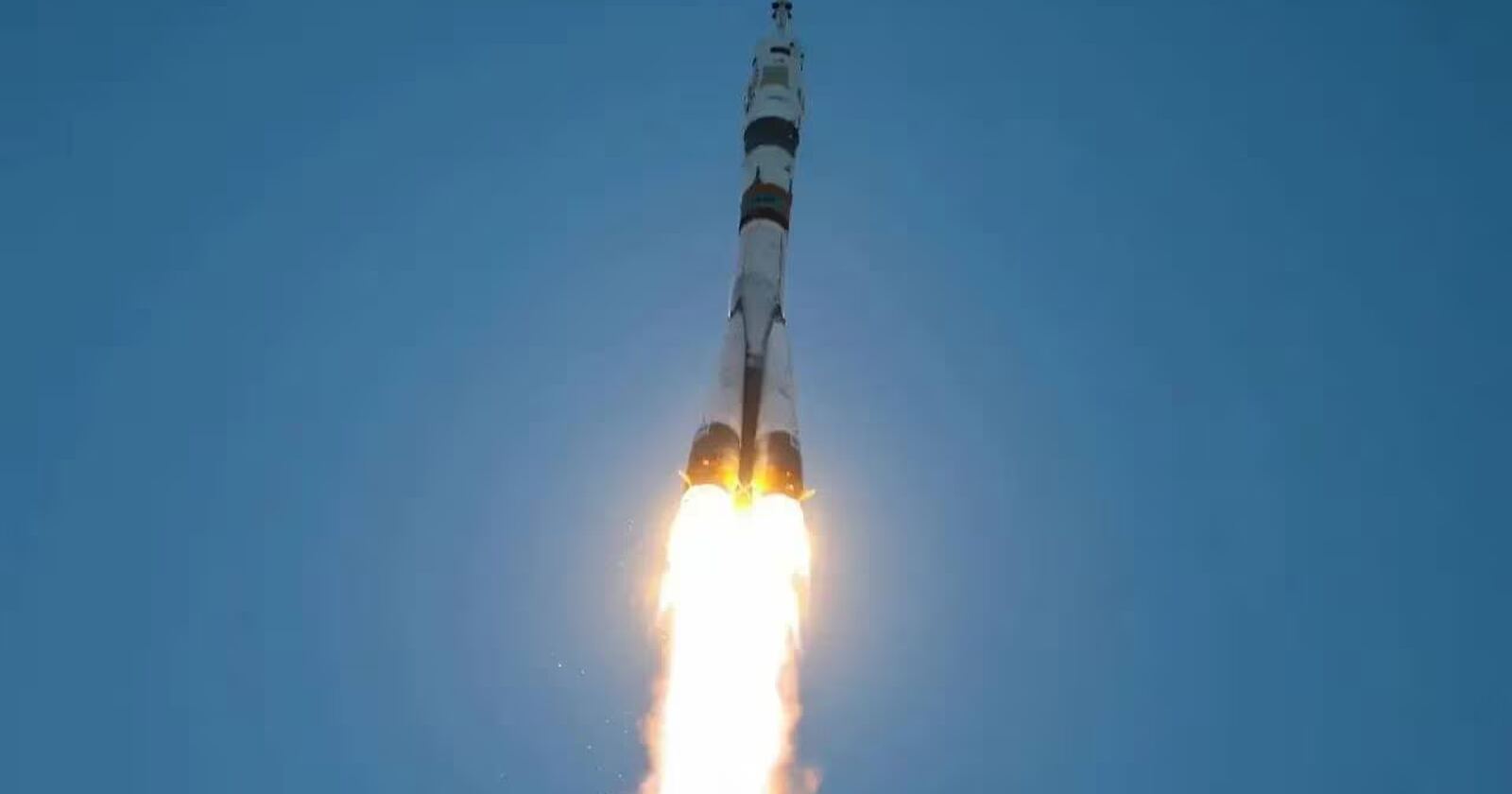
That makes this less like a one-off procurement and more like a growing family of SpaceX contracts tied to national security. The company already works with the Space Force on Starshield, a military version of Starlink that provides classified and encrypted communications, while Falcon 9 rockets continue to launch sensitive Pentagon payloads.
Why the Pentagon is using commercial launch and hardware
Space Force officials said the award came through an accelerated buying route designed to cut normal procurement delays and widen competition. In practice, that is the Pentagon admitting it wants Silicon Valley speed without giving up defense-program control – a familiar trade-off, and one that tends to favor companies already fluent in both rockets and paperwork.
- Contract value: $4.16 billion
- Purpose: satellites to detect and warn about airborne threats
- Program: Golden Dome
- Related SpaceX roles: prototype interceptors, software layer, Starshield communications, Falcon 9 launches
The bigger bill behind Golden Dome
The satellite award lands against a much larger price tag. In March, Space Force General Michael Guetlein said the first phase of the missile-defense system would cost $185 billion, in part to speed development, and said the goal is operational readiness by the end of Trump’s presidential term in 2028. Whether that schedule survives contact with reality is the usual defense-program question; the money, so far, is very real.
More contracts are expected this year, and SpaceX is likely not the only beneficiary. The Space Force says several commercial suppliers will be involved, which hints at a broader effort to build Golden Dome the same way the U.S. built much of its modern launch market: by letting a small cluster of private firms do the heavy lifting while Washington writes the checks.
The open question now is whether Golden Dome becomes a sprawling web of sensors, interceptors and software that actually works together, or just another expensive aerospace acronym that sounds cleaner on paper than it does in orbit.

Frontier Editor
Dan is our resident futurist, covering electric mobility, space exploration, and the smart home. He's interested in atoms just as much as bits. Whether it's a new battery chemistry, a reusable rocket, or a protocol that finally makes IoT devices talk to each other, Dan breaks down the engineering that pushes humanity forward.
via ixbt.com