• 3 min read
China builds a space computing industry for orbital supercomputers
China is no longer treating space computing as a science project. It is building the committees, suppliers, launch capacity, and funding pipeline needed to turn satellites into a distributed computer, with official plans
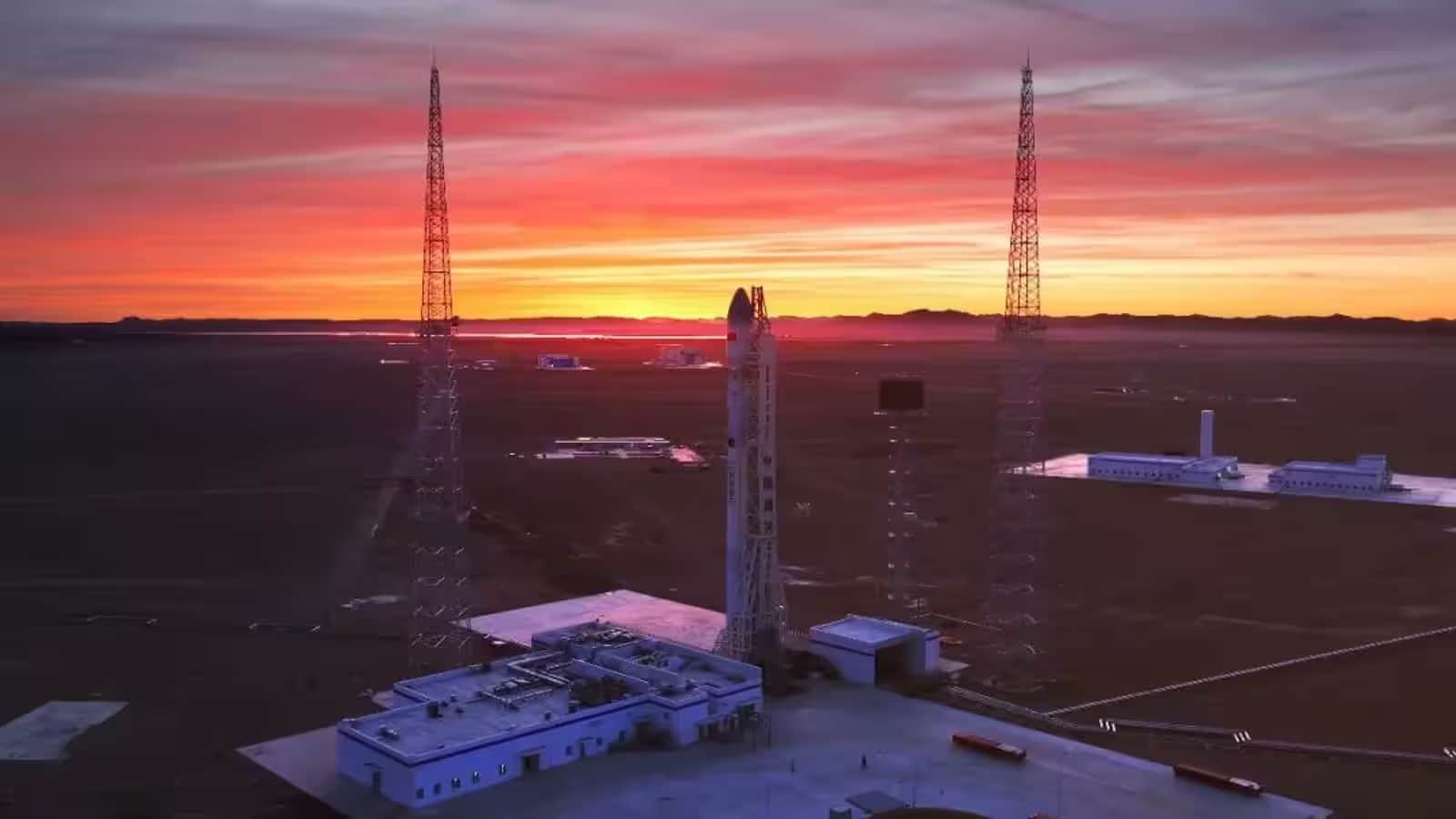
Image: ixbt.com
China is no longer treating space computing as a science project. It is building the committees, suppliers, launch capacity, and funding pipeline needed to turn satellites into a distributed computer, with official plans that point all the way to exaflop-scale systems in orbit.
The push is being coordinated from the top down. On 3 June in Beijing, the first meeting of a new working committee on space computing was held under the China Computer Industry Association, while a separate committee set up in April is already focused on standards, use cases, and the merger of ground and space systems. That split is very Chinese in its own way: one body for hardware and supply chains, another for rules and integration, so nobody has to wait politely in the same queue.
The committees now have companies lining up
According to the organisers, more than 100 organisations have already applied to join the new working committee, including developers of radiation-hardened chips, computing hardware, power and thermal systems, data transmission technologies, satellite constellations, and launch services. Wang Jianyu of the Chinese Academy of Sciences was chosen as chair, which signals that this is being treated as industrial policy, not a hobby club for orbital enthusiasts.
The timing matters. China’s 15th five-year development program, adopted in March, calls for an integrated architecture linking communications, navigation, remote sensing, and computing into one space infrastructure. The state-owned CASC has gone further, saying it wants to deploy a gigawatt-class orbital computing infrastructure between 2026 and 2030. That is an audacious target, but it also reflects a broader pattern: China is trying to industrialize space faster than rivals can regulate it.

Recommended reading
York Space buys All.Space for $300 million
From 12 satellites to 1,000
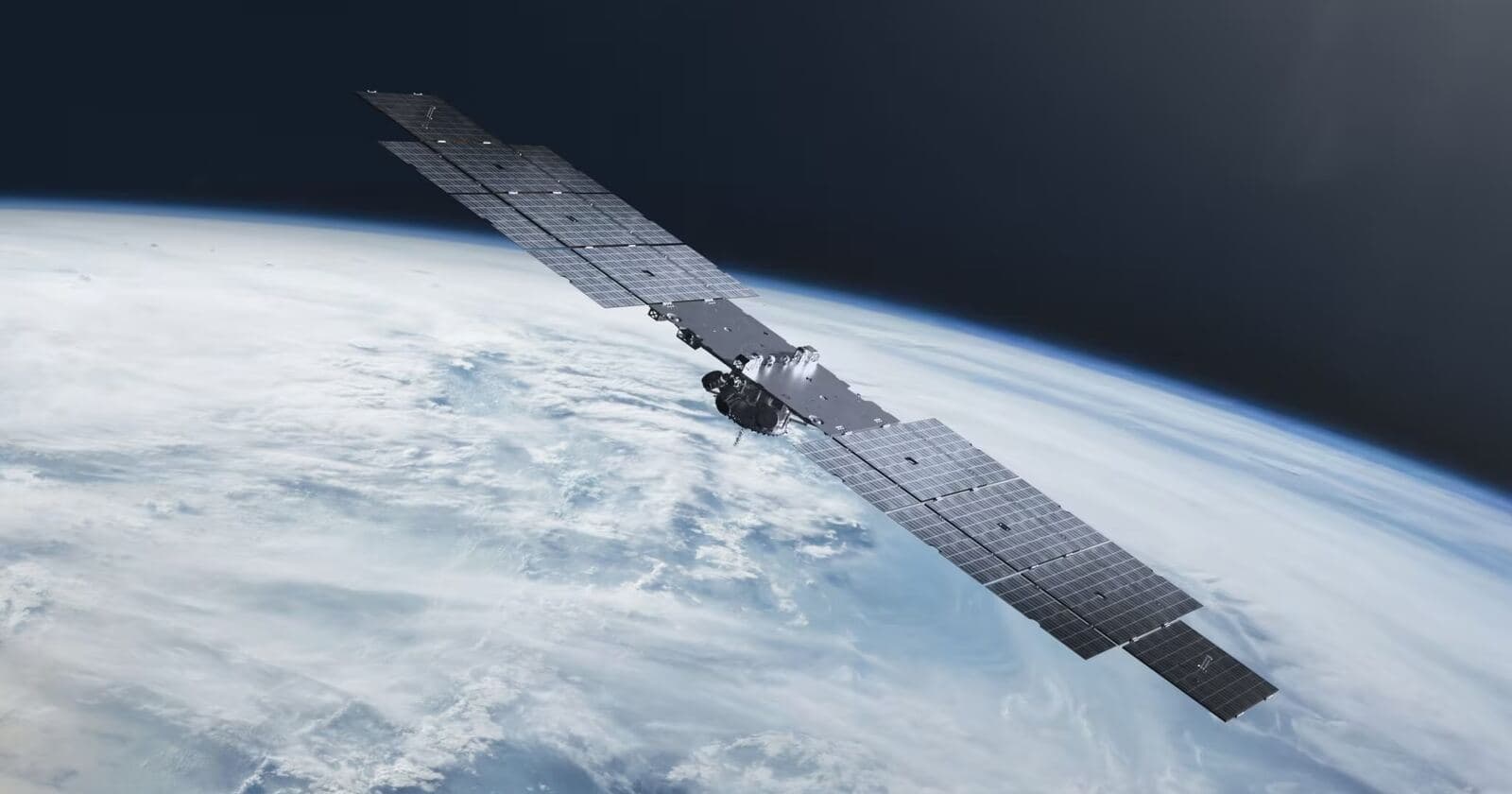
The private sector is already testing the premise. ADA Space and Zhejiang Lab launched 12 satellites in May 2025 for the Three-Body computing constellation, and 11 AI models are already running on them. The long-term plan is to expand the network to 1,000 satellites with a combined performance of about one exaflop, putting the project in the same conversation as the largest terrestrial supercomputers.
Other firms are chasing narrower bets. Shanghai Bailing Aerospace is developing a roughly 100 kW computing platform, while Shanghai Oriental Tiansuan and photonics startup Guangbenwei are working on what they describe as the first satellite for optical computing. That photon pitch is the kind of idea that sounds futuristic until you remember how much heat ordinary chips generate; in orbit, cooling is one of the ugly little details that decides whether a dream becomes infrastructure.
The hard parts are still painfully real
China’s biggest advantages are not technical miracles, but boring logistics: more satellite production, more reusable rockets, and more launch sites. Those pieces lower the cost of putting large constellations in orbit, which is the sort of unglamorous progress that makes ambitious computing schemes look less like marketing and more like a supply chain problem.
Even so, the engineering hurdles are severe. Radiation resistance, thermal management, and long-term reliability in vacuum are still the main bottlenecks, and none of them yield just because a committee has been formed. The real question now is whether China’s institutional machine can move fast enough to turn a cluster of pilot projects into a working orbital computing industry before the idea is overtaken by the next wave of terrestrial AI hardware.

Frontier Editor
Dan is our resident futurist, covering electric mobility, space exploration, and the smart home. He's interested in atoms just as much as bits. Whether it's a new battery chemistry, a reusable rocket, or a protocol that finally makes IoT devices talk to each other, Dan breaks down the engineering that pushes humanity forward.
via ixbt.com