• 3 min read
Solar storms may hit harder than scientists thought
A new study says Earth’s upper atmosphere may not cap solar-storm currents, raising the potential risk to satellites and astronauts.
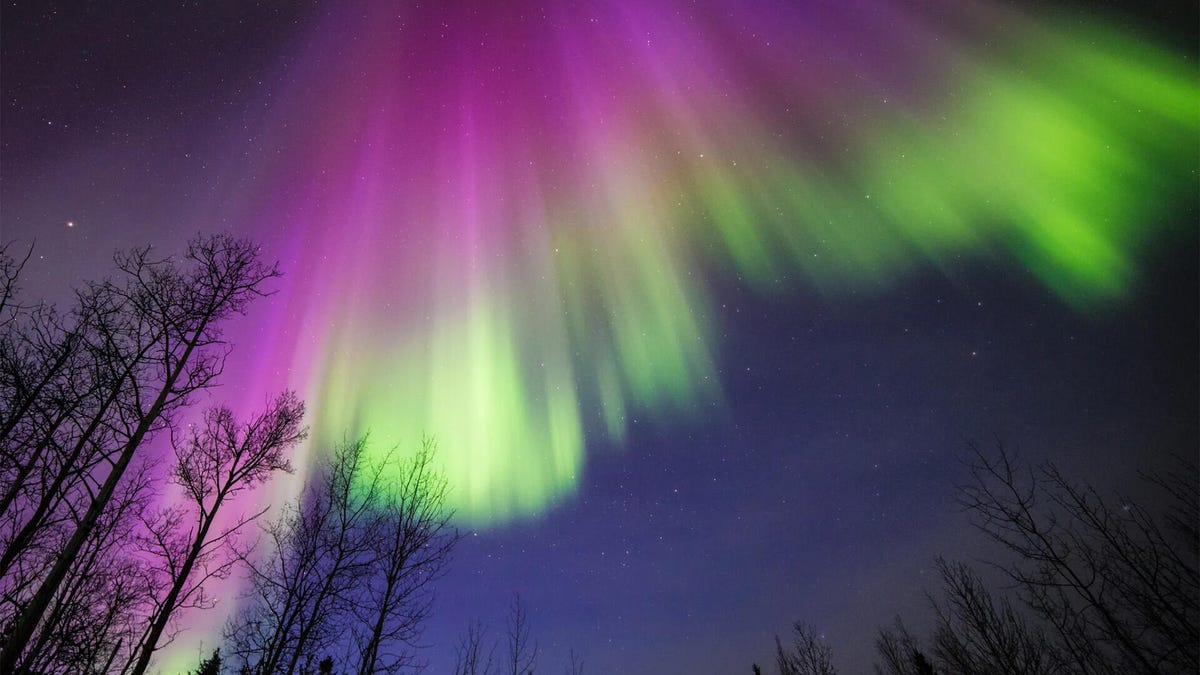
Image: CNET
A new study suggests solar storms could be more dangerous than researchers previously believed, especially for satellites and astronauts in orbit. The work, by NASA’s Nithin Sivadas and Maria Walach of Lancaster University, argues that a long-standing assumption about how Earth responds to the solar wind may be wrong.
Current scientific thinking holds that when solar wind slams into Earth’s upper atmosphere, the resulting electrical current has a maximum limit. Under that view, once the threshold is reached, Earth’s magnetosphere dissipates the excess. The new research challenges that idea, saying the supposed cap may have come from “uncertainties in solar wind measurements.”
According to the study, those uncertainties likely stem from the fact that most solar wind readings are taken by spacecraft at Lagrange Point 1, roughly a million miles closer to the sun than Earth. Data collected nearer Earth by NASA spacecraft showed a direct relationship between solar wind strength and atmospheric electrical current, suggesting there may be no upper limit at all.
What the findings could mean for extreme events
The study does not put a precise number on how much more dangerous severe solar storms might be. But it points to a need to revisit models for rare, high-end events such as the Carrington Event in 1859, which reportedly set telegraph machines on fire, and a 12,350 BC solar storm that researchers said was “orders of magnitude stronger than everything directly observed.”
“If there is no upper limit to our planet’s response to the solar wind, modeling for extreme cases needs to take this into account, and we should be vigilant of space weather effects,” Walach said in a statement.
She added that these cases are rare, with limited data available, and said “only time will tell what happens at the very extreme one-in-a-thousand-year kind of event.”
Recommended reading
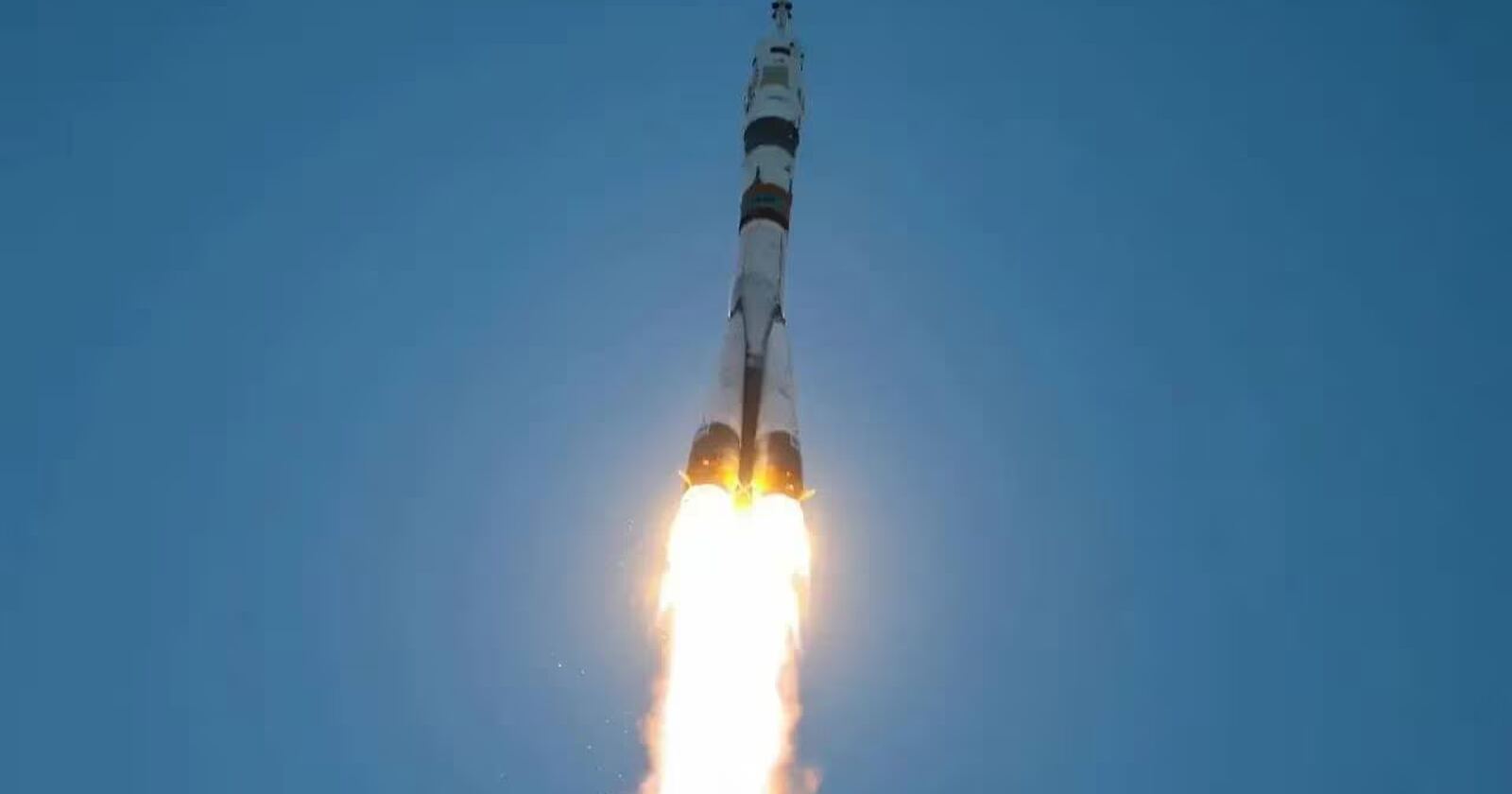
Luch-5 satellites kept Soyuz MS-29 linked to the ISS
There is a modern precedent for disruption. During the Halloween solar storms in 2003, Earth lost contact with 59% of its satellites at the time, according to the report. And while present-day systems are more resilient, the article notes they are not immune.
Earth is protected, but orbit is more exposed
Walach said Earth’s magnetic field “does a really great job of protecting us against many space weather effects,” meaning people on the ground would usually notice little more than glitches or a strong aurora display. Spacecraft are a different story, with satellites facing greater exposure during extreme events.
There is also a timing wrinkle. The sun is nearing the end of its current solar maximum in its 11-year cycle — if it has not already ended — so the odds of extreme space weather are lower than they were in 2024. That was the year a major event pushed the aurora borealis as far south as Texas for an entire week.

Frontier Editor
Dan is our resident futurist, covering electric mobility, space exploration, and the smart home. He's interested in atoms just as much as bits. Whether it's a new battery chemistry, a reusable rocket, or a protocol that finally makes IoT devices talk to each other, Dan breaks down the engineering that pushes humanity forward.
via CNET