• 2 min read
Shenzhou-22 leaves Chinese space station on return flight
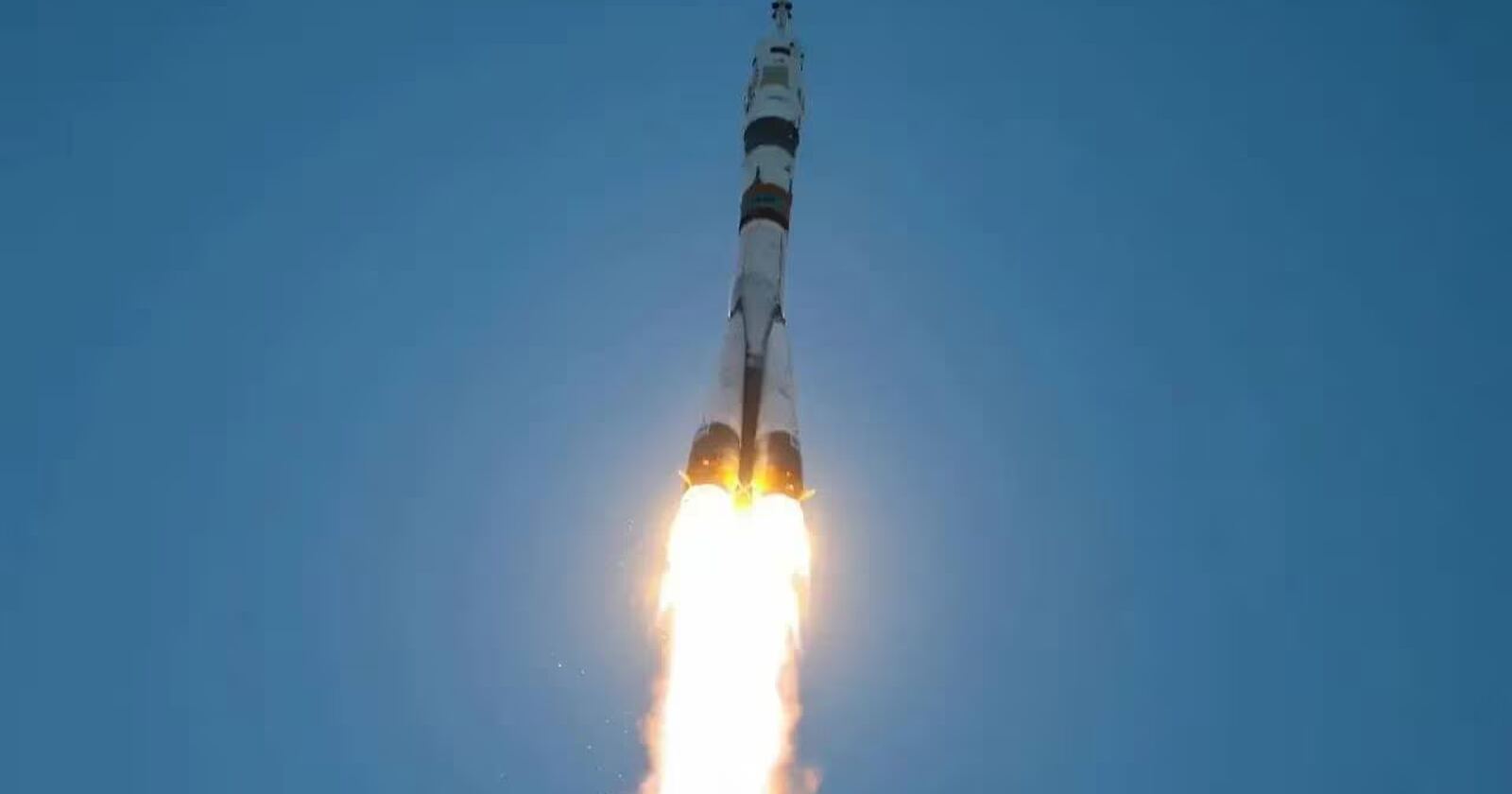
China has sent the crewed spacecraft “Shenzhou-22” home after it undocked from the country’s orbital station, closing out the astronauts' time in orbit and kicking off a controlled descent toward landing in northern Chin
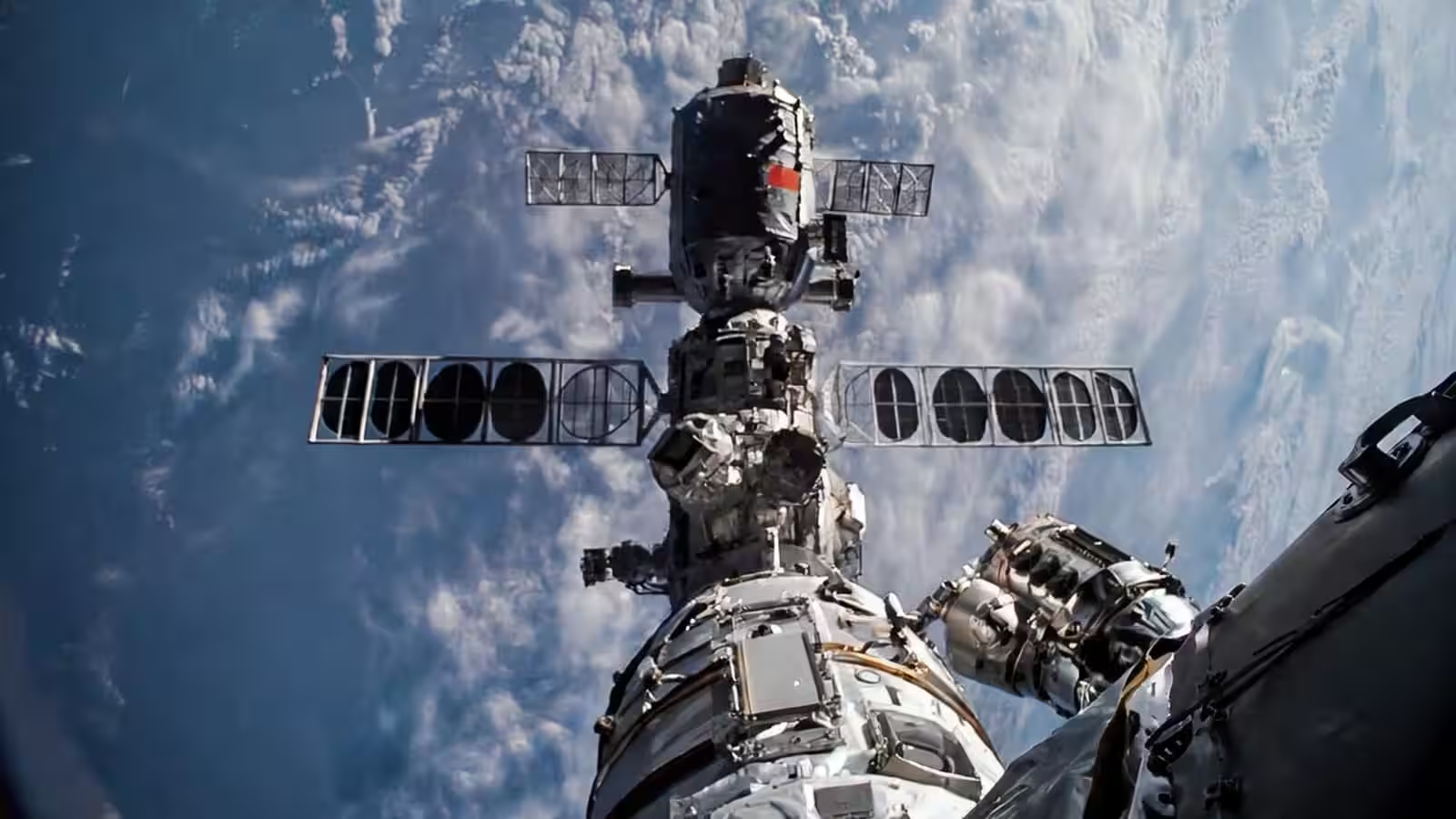
Image: ixbt.com
China has sent the crewed spacecraft “Shenzhou-22” home after it undocked from the country’s orbital station, closing out the astronauts' time in orbit and kicking off a controlled descent toward landing in northern China. The flight is the latest reminder that station operations are as much about choreography as rocket science: crews swap out, hand over data, move hardware, and get off the stage before the next team settles in.
According to CCTV News, citing the China Manned Space Agency, the undocking was the final step of the mission. The crew completed station checks, transferred experimental data, moved materials, and wrapped up the handover to the incoming “Shenzhou-23” team before departure.
What happened before Shenzhou-22 undocking
Before separating from the station, the “Shenzhou-22” crew worked with ground specialists to finish the standard rotation routine. They also exchanged operational experience with the new crew, which sounds routine because it is – but routine is exactly what keeps a multi-month orbital outpost from becoming an expensive stress test.
Recommended reading
Starlink V5 dish drops 62% in weight
The descent capsule is now on a controlled return to Earth, with landing expected soon at a site in northern China. No drama, no fireworks, just the kind of methodical re-entry that space agencies prefer and passengers definitely appreciate.
China’s orbital station in numbers
The station itself sits at an altitude of about 400 km and is designed for long stays by three people, with the option to briefly expand to six during crew changes. It weighs about 66 tons, uses a T-shaped layout, and already supports scientific work, including international research programs. That mix makes it both a laboratory and a logistics exercise – and one that depends heavily on clean handovers like this one.
- Orbital altitude: about 400 km
- Normal crew capacity: three people
- Temporary crew capacity: up to six during rotations
- Station mass: about 66 tons
- Configuration: T-shaped
What comes next for the program
The big question is not whether the landing will happen, but how smoothly China keeps scaling this cadence of crew swaps, experiments, and station upkeep. If the handover remains this orderly, the station keeps looking less like a prestige project and more like a working orbital base – which is probably exactly the point.

Frontier Editor
Dan is our resident futurist, covering electric mobility, space exploration, and the smart home. He's interested in atoms just as much as bits. Whether it's a new battery chemistry, a reusable rocket, or a protocol that finally makes IoT devices talk to each other, Dan breaks down the engineering that pushes humanity forward.
via ixbt.com