• 2 min read
Samsung’s Texas fab is ready for 2-nm chip production in 2027
Samsung says its giant contract chip factory in Taylor, Texas, is ready for business, with mass production of advanced processors for outside customers set to begin next year. The first big customer is already lined up:
Image: ixbt.com
Samsung says its giant contract chip factory in Taylor, Texas, is ready for business, with mass production of advanced processors for outside customers set to begin next year. The first big customer is already lined up: Tesla, which has signed a $16.5 billion deal for AI5 and AI6 chips built on Samsung’s 2-nanometer process.
That is a welcome milestone for Samsung’s Texas fab, which has spent years trying to turn Texas into a credible answer to Taiwan’s foundry dominance. The company first broke ground on the site in 2022, and the latest update suggests the schedule is finally moving from PowerPoint optimism to actual silicon.
Taylor fab moves from construction to production
Margaret Han, vice president of Samsung’s U.S. foundry business, said at the Samsung Advanced Foundry Ecosystem Forum that the company is ready and that customers will start production in Taylor next year. A few months ago, Samsung was still describing the site as under construction, so this is not just corporate confetti; it points to a plant that has cleared the hardest part of the build-out.
The investment bill is now expected to top $17 billion. For Samsung, that is a huge bet on regaining ground in the contract chip business, where TSMC has set the pace and Intel is also trying to claw back relevance with its own foundry push. Texas, in other words, is not just a factory address. It is Samsung trying to prove it can compete for the biggest custom silicon jobs outside Asia.
Recommended reading
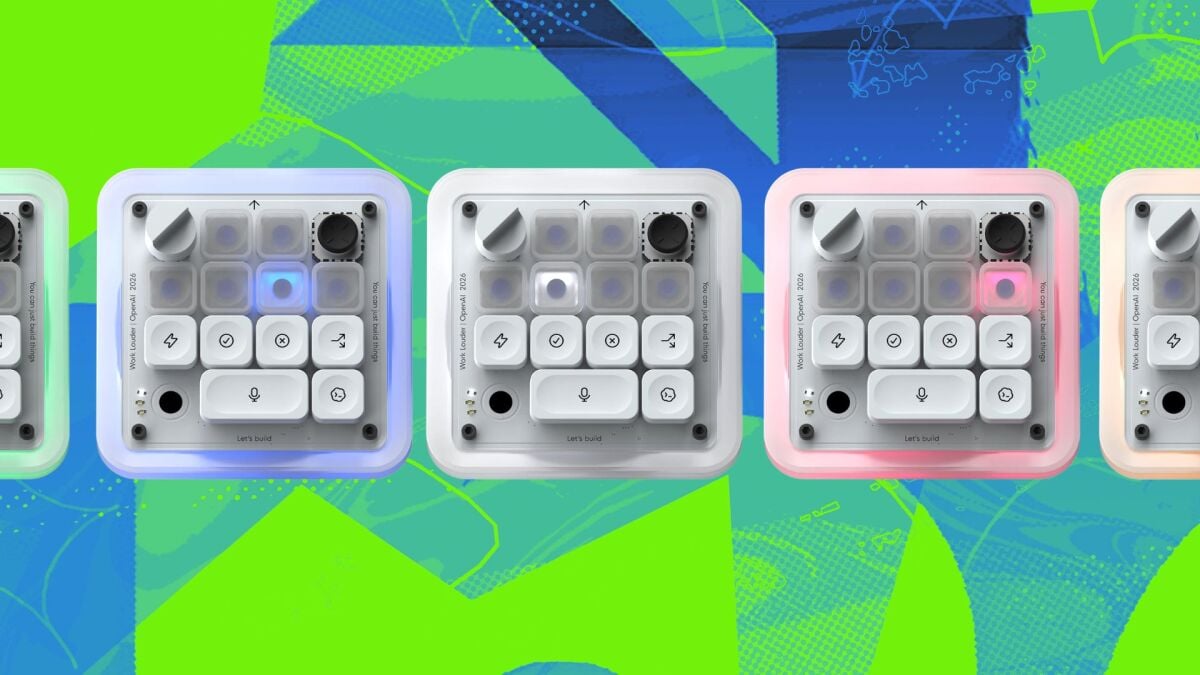
OpenAI’s first gadget is a $230 coding keypad
Tesla AI5 and AI6 chips anchor the plant
Tesla is the marquee client here, and the scale of the deal tells you why Samsung is pressing ahead. The chips are meant for the automaker’s driver-assistance and AI systems, which means reliability, performance, and supply volume matter more than flashy marketing slides.
- Factory location: Taylor, Texas
- Total investment: more than $17 billion
- Tesla contract value: $16.5 billion
- Process node: 2-nanometer
- Main products: Tesla AI5 and Tesla AI6
Samsung is also lining up a hotter 2-nm version
Samsung says the Texas plant will eventually add an improved second-generation 2-nanometer process, tuned for heavy AI workloads such as algorithms and neural networks. The company claims that upgrade could lift performance by up to 30%, which is exactly the kind of number foundries use to lure customers who care more about watts and yield than slogans.
The bigger question is whether Samsung can keep the momentum once production starts. A ready fab is one thing; hitting stable yields on bleeding-edge nodes is another. If Taylor delivers on schedule, Samsung gets a rare win in the U.S. chip race. If it slips, competitors will waste no time reminding everyone who still owns the crown.

Computing Editor
Tomas lives in the terminal. He covers chips, laptops, and operating systems with a focus on performance and efficiency. He reads kernel changelogs the way other people read fiction, and he's always on the hunt for the perfect mechanical keyboard switch. If it processes data, Tomas has an opinion on it.
via ixbt.com