• 3 min read
Nvidia’s RTX Spark laptops make ARM gaming look real
Nvidia’s RTX Spark laptops are trying to do something PC buyers have heard plenty of promises about and very little proof of: make ARM-based Windows machines feel like proper gaming rigs. The pitch is loud, the hardware
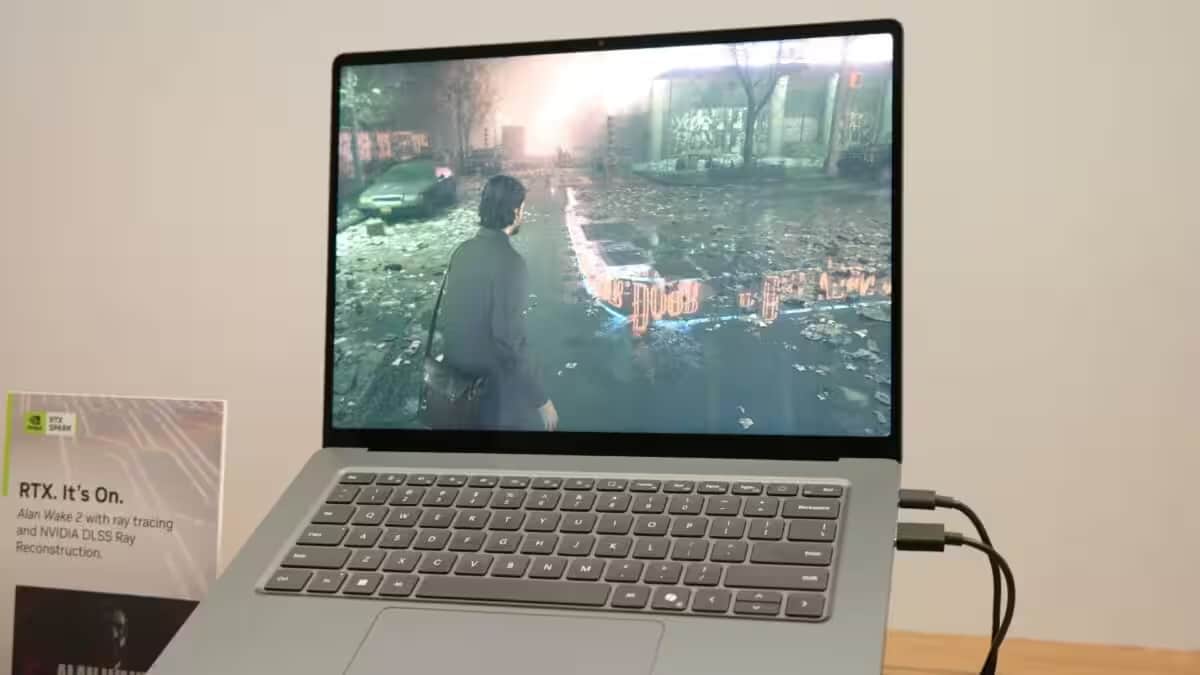
Nvidia’s RTX Spark laptops are trying to do something PC buyers have heard plenty of promises about and very little proof of: make ARM-based Windows machines feel like proper gaming rigs. The pitch is loud, the hardware is unfinished, and the demos are surprisingly convincing. If Nvidia can turn that into a shipping product, it could finally put some pressure on the long-ruling x86 duopoly.
That pressure matters because ARM on Windows has usually come bundled with caveats, emulation complaints, and performance excuses. Nvidia is betting that brute-force GPU muscle, tighter Microsoft tuning, and developer support can paper over enough of the compatibility mess to make the whole idea usable rather than merely futuristic.
Pragmata and Alan Wake II were the proof points
In Nvidia’s demo suite, recent games were running on preproduction Microsoft Surface Ultra PCs through Microsoft Prism x86 emulation, and the results were better than the usual ARM-on-PC skepticism would predict. Pragmata hovered around 60 fps with no obvious stutter or visual weirdness, helped by DLSS 4.5 upscaling. Alan Wake II also looked sharp with path tracing and DLSS 4.5 Ray Reconstruction, which is the sort of setup that usually turns laptops into space heaters with regrets.
There were limits, of course. Nvidia would not disclose graphics settings, and the hardware is still not final ahead of the fall release window. But the bigger point is that emulation did not visibly collapse under the weight of the workload, which is more than many Windows-on-ARM efforts have been able to say.
- 6,144 CUDA cores, which Nvidia says are equivalent to an RTX 5070-class GPU
- Up to 128GB of unified memory
- Support promised for Fortnite, Valorant, League of Legends, Denuvo, and BattleEye
- Publisher backing from Remedy Entertainment and Riot Games
Microsoft and Nvidia are tuning Windows on ARM hard
The real trick here is not just fast silicon. Microsoft says it has made specific optimizations for the RTX Spark architecture so the emulator can better use the chip’s cores, and it has spent extra time improving 1% lows. That kind of under-the-hood work is boring in a keynote and decisive in real life, because smooth frame pacing is what separates “pretty impressive” from “why is this hitching?”
Recommended reading
Steam Machine sells up to 15,000 weekly
Nvidia also showed off other workloads beyond games, including SolidWorks, Adobe Premiere, AI agents, and Unreal Engine 5 rendering tasks. That is a clue to the intended buyer: not a casual gamer, but someone who wants one machine to double as a mobile workstation and a decent after-hours escape hatch.
The expensive future of gaming-capable ARM PCs
None of this means x86 is suddenly obsolete. Intel’s Panther Lake chips are still very capable for gaming at lower resolutions, and AMD’s latest GPU-focused parts are not sitting around doing nothing. Nvidia’s own pitch practically admits the target market is narrow: people who need portability, want serious performance, and can tolerate a premium price tag.
That is why RTX Spark is interesting even if it never becomes mainstream. If Nvidia and Microsoft can keep the compatibility story moving, Intel and AMD will have to answer a new kind of challenge: not just faster laptops, but ARM laptops that stop feeling like compromises. And if that forces the PC industry to get less lazy about gaming support, so much the better.
The fall release window will tell the real story
The unanswered question is whether Nvidia’s demo magic survives contact with retail laptops from MSI, HP, Asus, Lenovo, Microsoft, and the rest of the crowd. If the shipping machines keep the frame pacing, compatibility, and battery claims together, ARM gaming PCs may finally become more than a keynote flex. If not, Nvidia will have built a very impressive reminder that demos are easy and software ecosystems are rude.

Culture Editor
Maya explores gaming, streaming, and the internet as a place where people actually live. From deep-dives into creator economies to the anthropology of digital communities, she tracks platform drama and cultural shifts so you don't have to. She believes the best tech stories are fundamentally about human behavior.