• 2 min read
Qobuz adds real-time lyrics and a redesigned player
Qobuz adds real-time lyrics, a redesigned player, richer discovery tools, and credits features on iOS and Android.
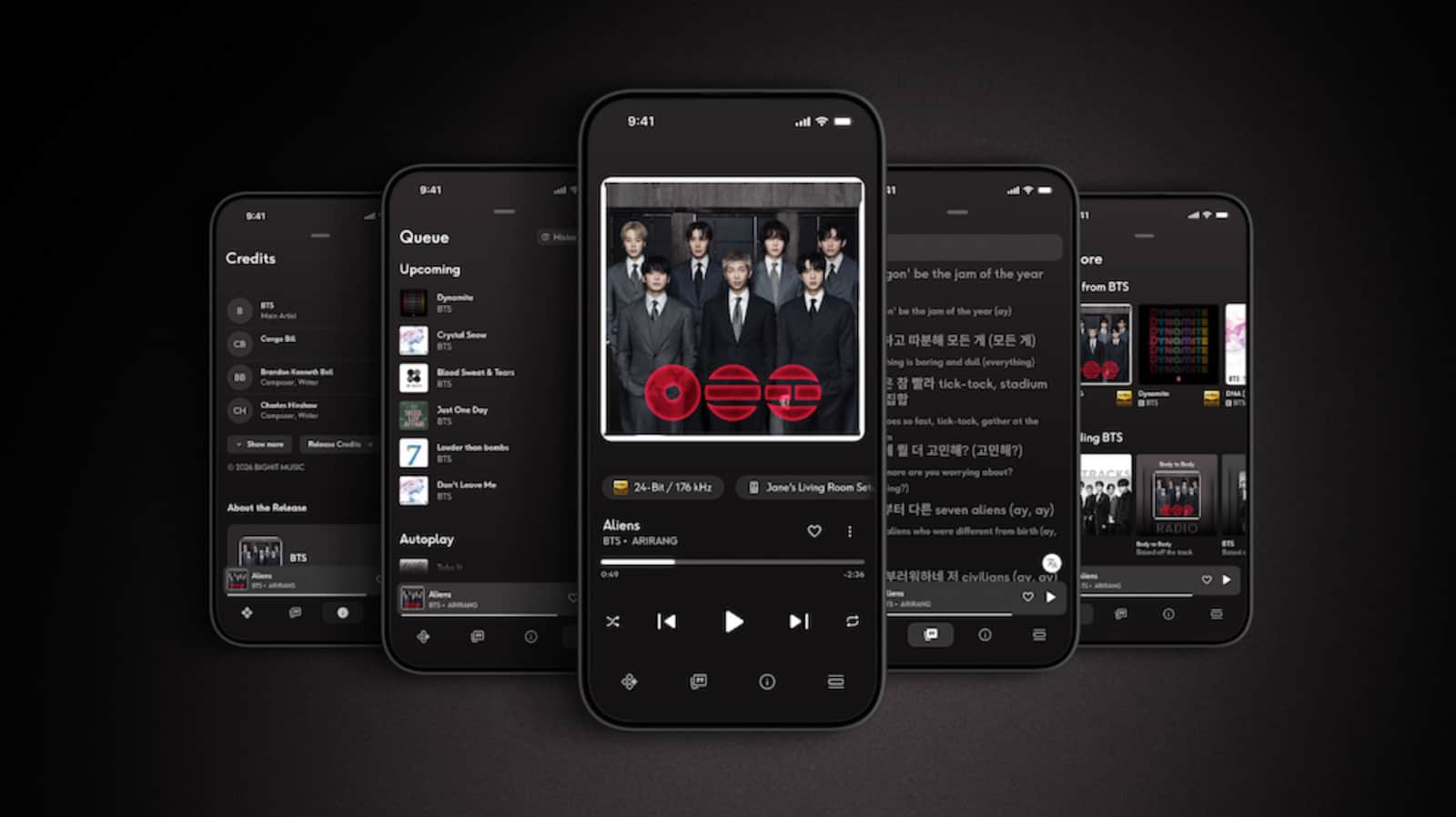
Image: Engadget
Qobuz has redesigned its music player and added several long-requested features, including real-time lyrics. Lyrics now scroll “line by line” alongside translations, addressing a notable gap with other major streaming platforms.
The redesigned interface takes visual cues from “the colors and visual aesthetics of album artwork.” A persistent miniplayer remains visible while users navigate the app, providing playback controls without interrupting browsing. Qobuz has also added more nuanced controls to the play queue.
New discovery and credits features
A new Explore section recommends similar albums, artists, radio stations, and playlists based on a listener’s habits. Users can also organize content by genre or record label.
The credits section has been rebuilt to provide “more accessible information about the works and artists.” From the credits page, listeners can now follow affiliated artists and record labels directly. Siri integration adds voice control, although it is the only feature not currently available across both mobile platforms.
Recommended reading
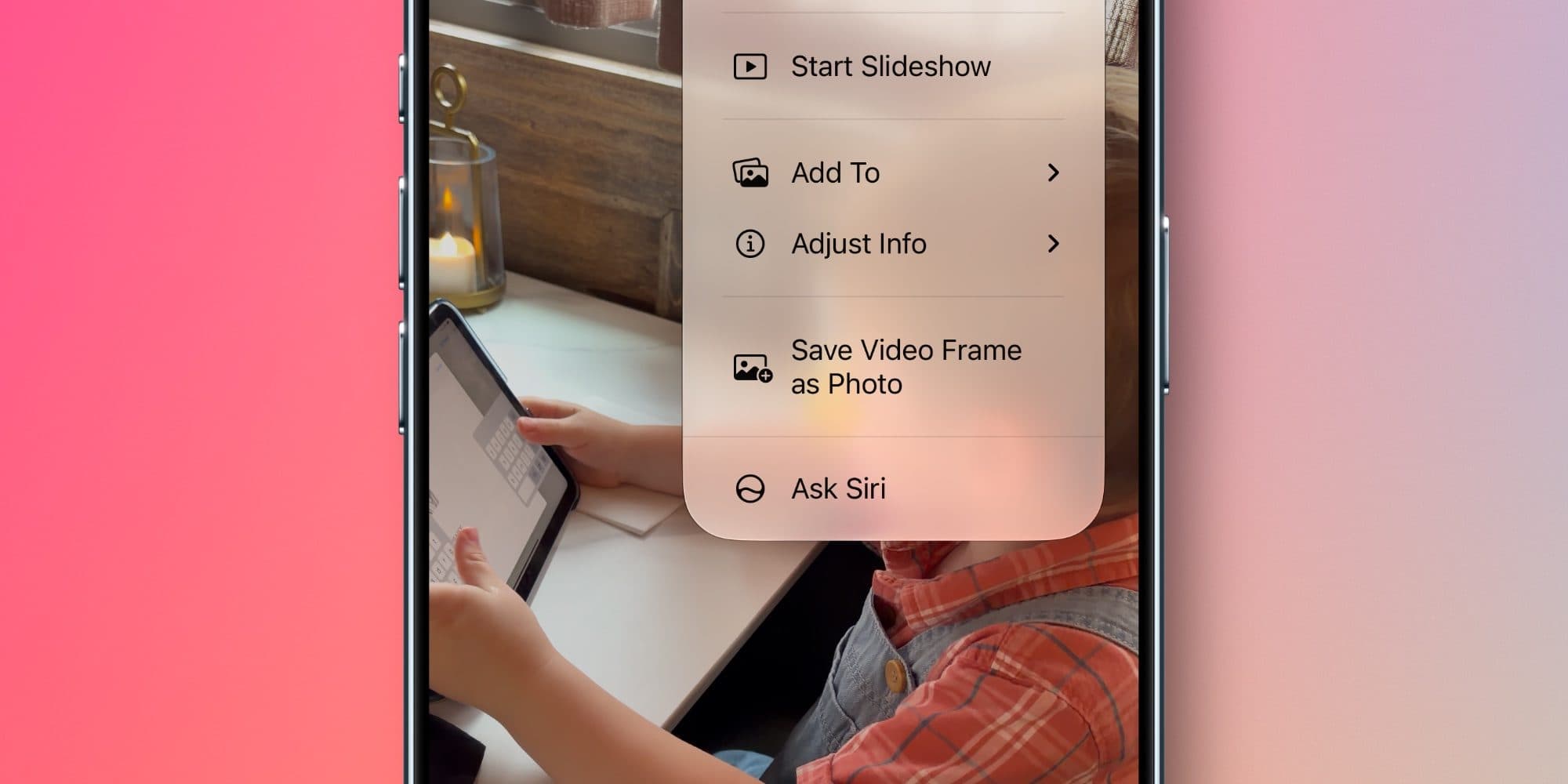
iOS 27 finally saves video frames as photos
The updates, excluding Siri, are available now on iOS and Android.
Qobuz pricing and artist payouts
Qobuz distinguishes itself from many streaming competitors by emphasizing full albums, liner-notes-like reviews, and an integrated magazine featuring interviews with up-and-coming musicians. It also lets subscribers buy albums and songs directly through the app.
The service’s subscription plans cost $12 to $15 per month, depending on the tier, and include a free 30-day trial. Previous data cited by the source put Qobuz’s per-stream payout at $0.043. Based on a 2023 calculation, artists could earn $1,000 from just over 23,000 streams, compared with more than 312,000 Spotify streams for the same amount.

Computing Editor
Tomas lives in the terminal. He covers chips, laptops, and operating systems with a focus on performance and efficiency. He reads kernel changelogs the way other people read fiction, and he's always on the hunt for the perfect mechanical keyboard switch. If it processes data, Tomas has an opinion on it.
via Engadget